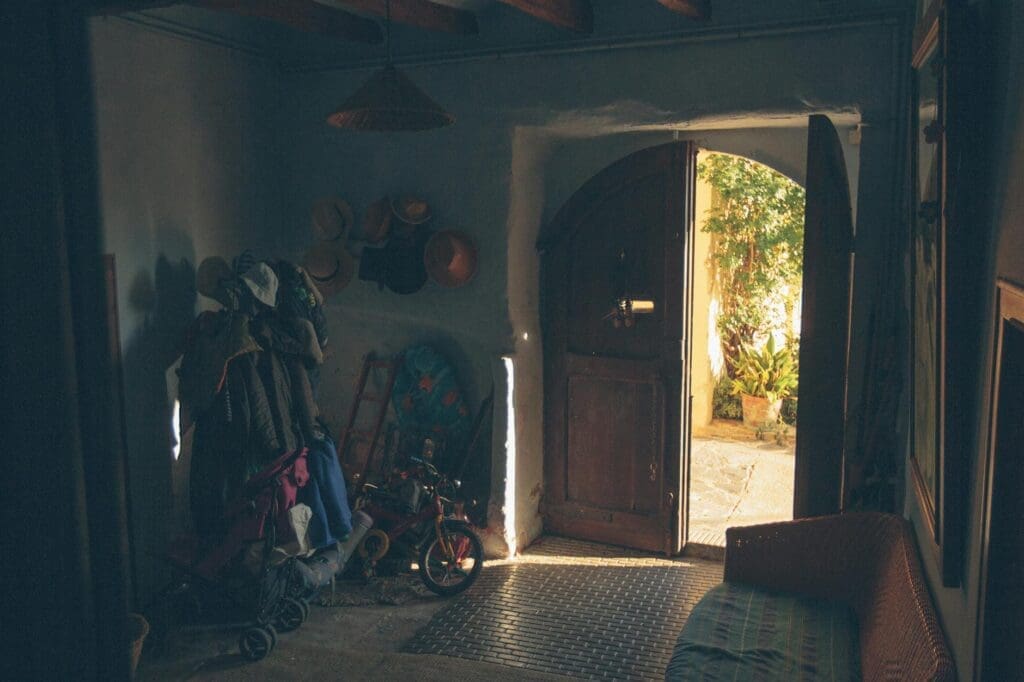
Your entryway sets the tone for your entire home, and if you love rich textures, collected treasures, and a relaxed vibe, a bohemian approach might be exactly what you’re looking for. The beauty of boho style is that it’s forgiving—it thrives on layering, personal touches, and that “curated over time” feel that makes a space authentically yours. Let’s walk through how to pull together an entryway that feels warm, welcoming, and effortlessly bohemian.
Start With the Right Furniture Foundation
The key pieces in a bohemian entryway are functional but never boring. A wooden bench with carved details or a rattan silhouette works beautifully as your anchor piece—look for something with character, whether that’s weathered wood, ornate legs, or woven texture. Budget-friendly options in pine or mango wood start around $150-250, while a solid vintage-inspired teak bench runs $400-600.
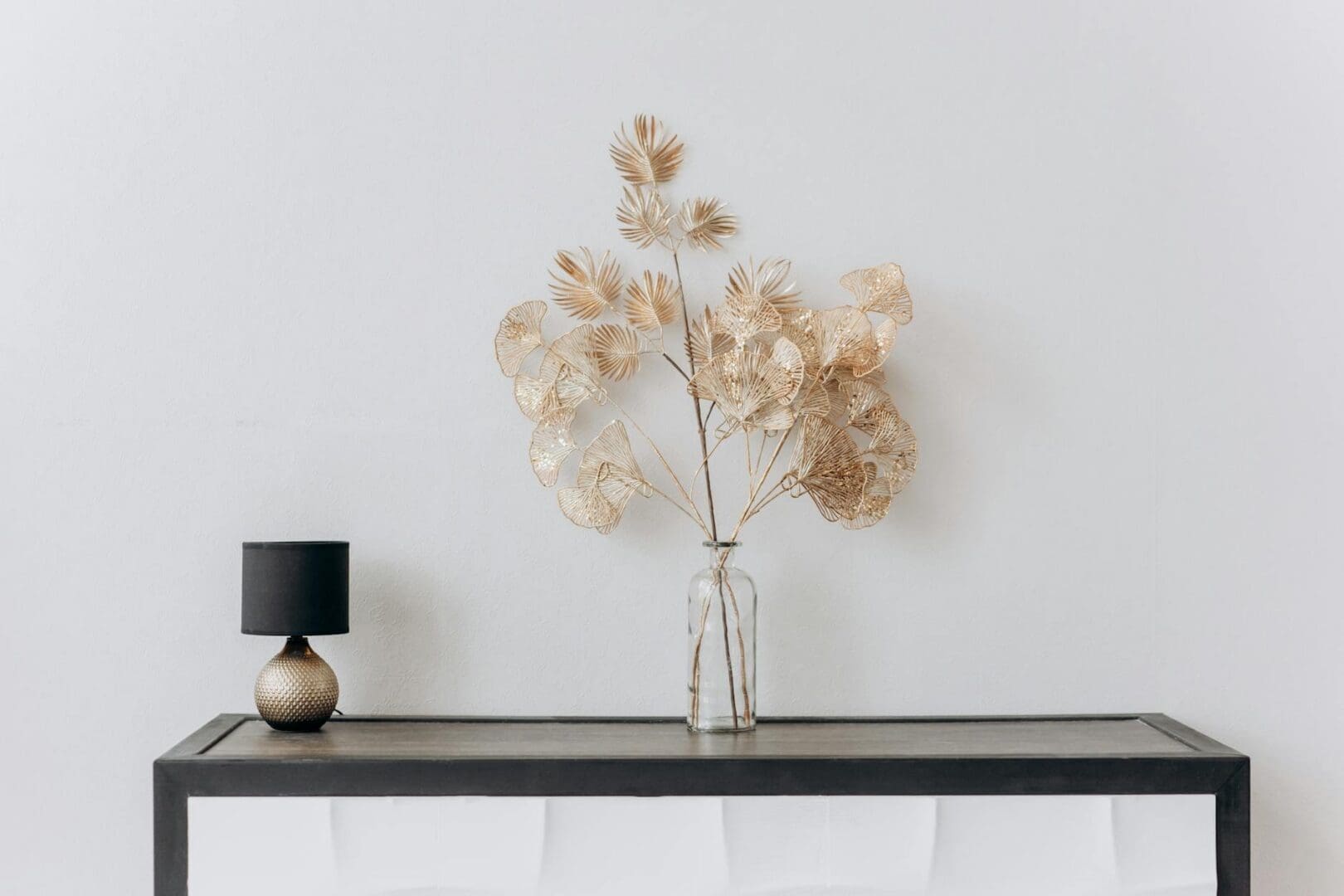
If space allows, add a console table with open shelving or slim drawers. Bohemian style loves pieces that feel slightly eclectic, so a hand-carved wooden console or one with bone inlay detailing fits perfectly. You want furniture that looks like you found it at a flea market, even if you didn’t. Avoid anything too sleek or modern—boho leans into organic shapes and artisanal craftsmanship.
Layer Textures Like You Mean It
This is where bohemian style really comes alive. Start with a vintage-inspired rug—think Persian, Moroccan, or Turkish patterns in warm tones like terracotta, mustard, deep red, and cream. A good 3×5 or runner-sized rug typically ranges from $80-200 for machine-made versions, while authentic vintage pieces run $300-800 and bring incredible depth to the space.
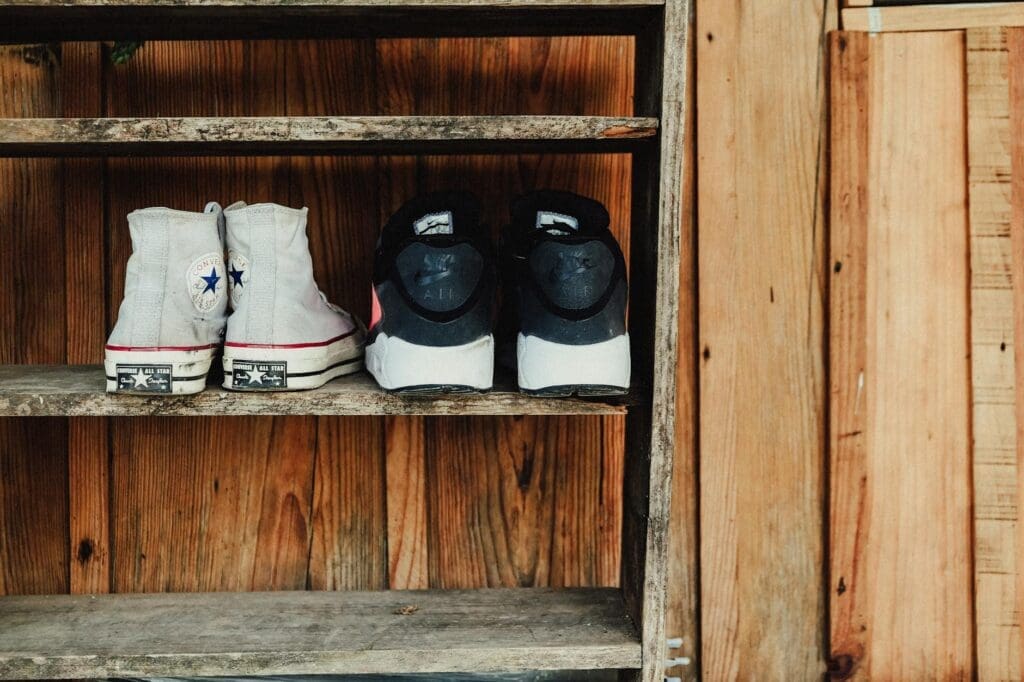
Add woven baskets beneath your bench or console for shoe storage—natural materials like seagrass, jute, or water hyacinth are perfect. Stack two or three different sizes for visual interest. Throw a textured cushion or two on your bench using fabrics like velvet, mudcloth, or block-printed cotton. The goal is to make your entryway feel touchable and lived-in, not like a showroom.
Walls and Vertical Elements That Tell a Story
Bohemian entryways take advantage of vertical space with plenty of personality. A large macramé wall hanging ($40-150 depending on size) instantly signals boho style and softens hard walls. Alternatively, create a gallery wall with a mix of mirrors, artwork, and woven pieces—think varied frame styles, not matching sets.
A decorative mirror is essential for last-minute checks before heading out. Look for something with a rattan frame, carved wood, or even a Moroccan-inspired metal design ($80-300). Hooks are necessary too, but swap basic options for brass or wrought iron versions with decorative details. Wall-mounted hooks with an aged brass finish run about $25-60 for a set and add so much more character than standard hardware.
Consider adding floating shelves to display small plants, pottery, or collected objects. The bohemian look thrives on personal collections displayed casually—vintage cameras, small sculptures, or a row of interesting books all work beautifully.
The Finishing Touches That Make It Yours
Plants are non-negotiable in a bohemian entryway. A tall snake plant or fiddle leaf fig in a woven basket planter brings life to a corner, while trailing pothos on a shelf adds movement. If natural light is limited, high-quality faux plants work fine—just choose ones that look realistic.
Lighting matters too. Swap a basic overhead fixture for something with texture—a woven pendant light, a Moroccan lantern-style fixture, or a beaded chandelier ($100-400) can completely transform the feel. If you’re renting or can’t change fixtures, add a table lamp with a ceramic or textured base on your console.
Finally, include a catchall tray or bowl for keys and mail—look for hammered metal, carved wood, or ceramic with interesting glaze. These small pieces pull the whole look together and keep your boho space from feeling chaotic.
Creating a bohemian entryway is about embracing imperfection and letting your personality show. Choose pieces that feel meaningful rather than matchy, layer in plenty of texture, and don’t be afraid to mix patterns and materials. Your entryway should feel like a warm hug when you walk through the door—and with these elements in place, it absolutely will.
A cramped entryway with shoes scattered everywhere isn’t just frustrating—it’s usually the first thing you and your guests see when walking through the door. The good news? Even the smallest entryway can stay organized with the right shoe rack. The challenge is finding one that actually fits your space without making it feel even more […]
That pile of shoes by the door isn’t going to organize itself, and your coats deserve better than being draped over the nearest chair. A coat rack with built-in shoe storage solves both problems in one piece of furniture, making it perfect for entryways, mudrooms, or even bedroom corners where clutter tends to accumulate. The […]
A cramped entryway doesn’t mean you’re doomed to trip over piles of coats or hunt for misplaced keys every morning. The right coat rack can transform even the tiniest entry into an organized, welcoming space. The challenge is finding one that holds what you need without making your small entryway feel even smaller. Consider Your […]