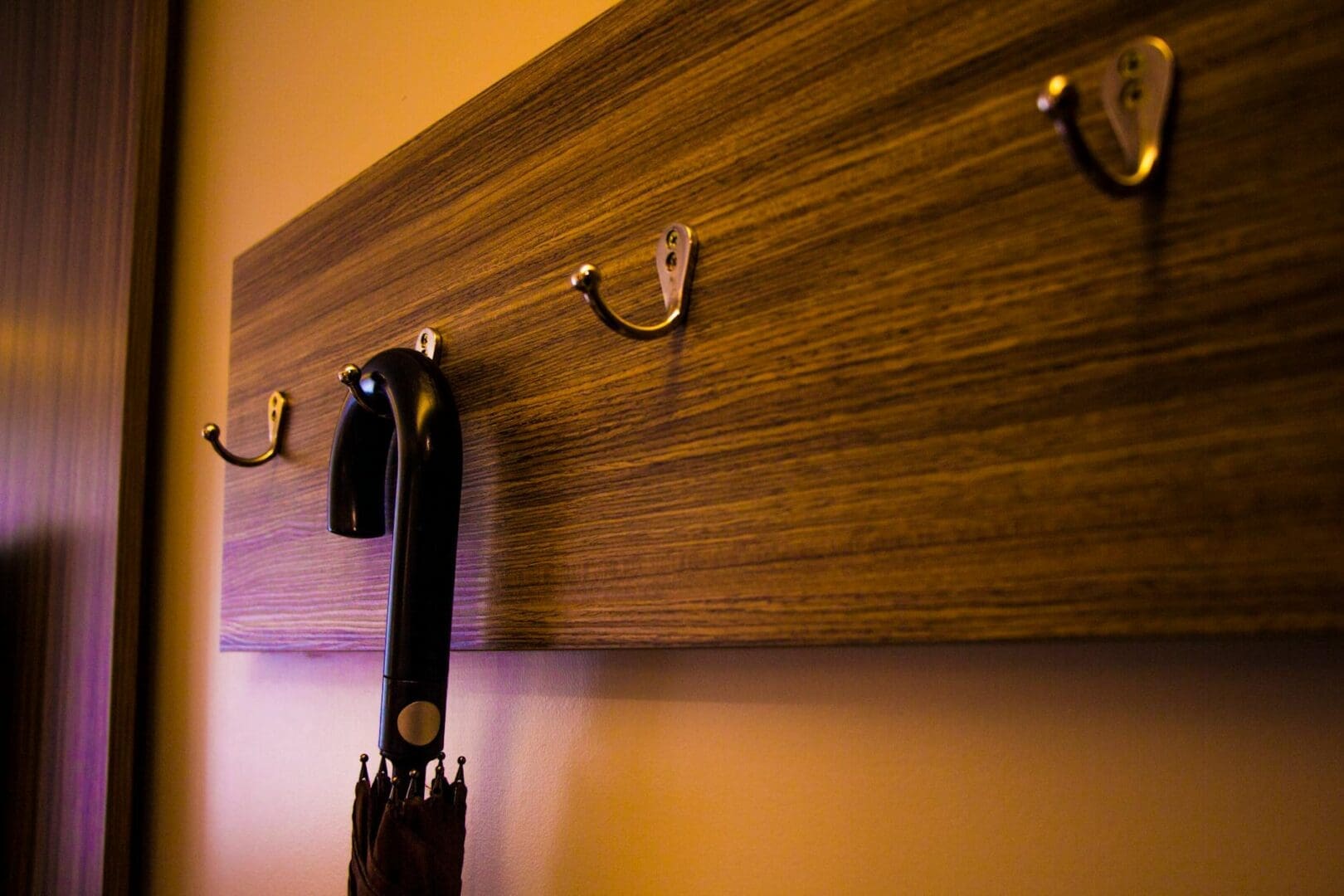
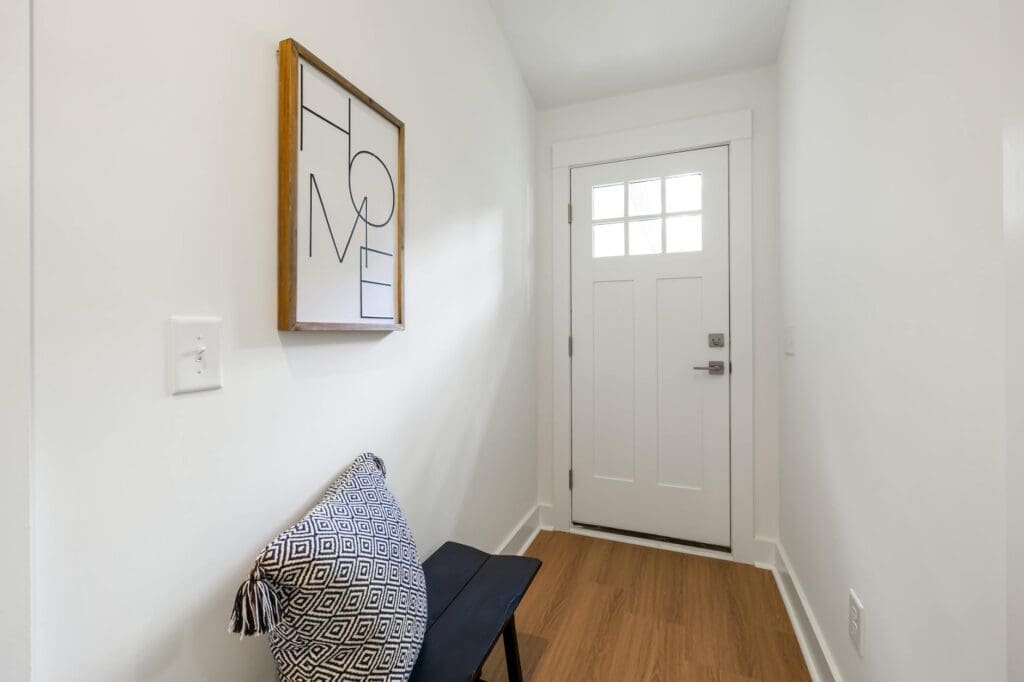
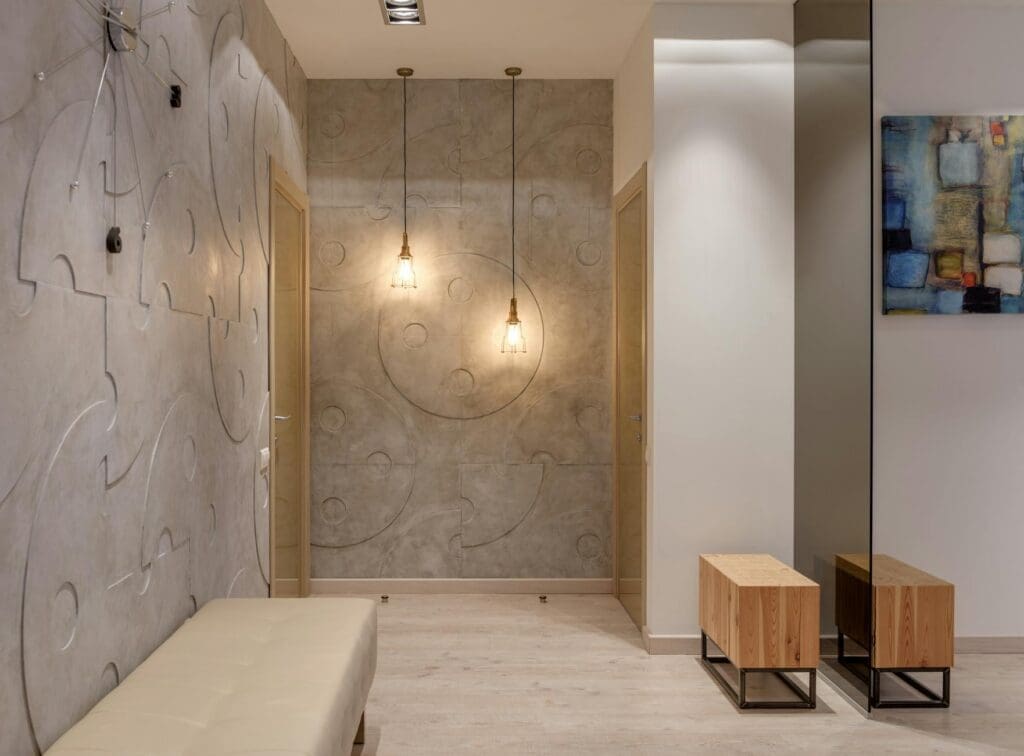
There’s nothing quite like coming home after a long day, only to realize you have nowhere to hang your coat except the back of a dining chair. If your entryway feels chaotic or your mudroom lacks organization, a wall mounted coat rack might be exactly what you need. But with options ranging from minimalist single hooks to elaborate multi-tiered systems, choosing the right one takes a bit of planning.
Consider Your Wall Space and Location
Before you fall in love with a particular design, measure your available wall space. Wall mounted coat racks typically range from 12 inches to 48 inches wide, and you’ll want to leave at least 6 inches of clearance on either side for visual balance. Think about where coats will hang when the rack is in use—you’ll need about 24 to 30 inches of clearance from the floor to accommodate full-length coats without them dragging.
The location matters too. Entryways and mudrooms are obvious choices, but bedrooms, bathrooms, and even home offices can benefit from a well-placed coat rack. If you’re mounting near a door, make sure there’s enough space for the door to swing open fully without hitting hanging items. And here’s something people often overlook: check what’s behind your wall. Mounting into studs is ideal for maximum weight capacity, but if that’s not possible, you’ll need appropriate wall anchors for drywall or plaster.
Weight Capacity and Hook Configuration
Not all coat racks are created equal when it comes to load-bearing strength. A lightweight rack with decorative hooks might hold scarves and light jackets just fine, but winter coats, heavy bags, and wet outerwear are another story entirely.
Look for racks rated to hold at least 15-20 pounds per hook for everyday use. If you’re in a household where multiple heavy winter coats will pile up, aim for 25-30 pounds per hook. The number of hooks matters too—three to five hooks work well for most households, while larger families or high-traffic mudrooms might need six or more.
Pay attention to hook spacing as well. Hooks placed 4 to 6 inches apart prevent overcrowding and make it easier to grab individual items without everything falling off. Double hooks or flip-down hooks offer extra versatility, letting you hang multiple items per position when needed.
Material and Style That Matches Your Space
The material you choose affects both durability and aesthetics. Metal coat racks—whether iron, steel, brass, or aluminum—tend to be the most durable and can handle heavier loads. Matte black and brushed nickel finishes work with modern and industrial interiors, while oil-rubbed bronze or antique brass complement traditional spaces. Expect to pay $30-$60 for quality metal options, with designer pieces running $80-$200.
Wood coat racks bring warmth and texture, making them perfect for farmhouse, rustic, or Scandinavian-inspired homes. Look for solid hardwoods like oak, walnut, or maple rather than particle board. These typically range from $40-$150 depending on craftsmanship and finish.
For a contemporary look, consider minimalist designs with sleek lines and hidden mounting hardware. Geometric shapes, floating hooks, or even sculptural pieces that double as wall art can elevate your entryway while serving a practical purpose. These artistic options generally start around $50 and can reach $250 or more for designer pieces.
Installation and Mounting Hardware
Even the best coat rack won’t do you any good if it falls off the wall. Check what mounting hardware comes included—quality racks should include screws and often wall anchors. Some models feature a mounting plate that attaches to the wall first, letting you hang the rack itself afterward, which makes installation easier and more secure.
If you’re renting or prefer not to drill large holes, look for racks with keyhole slots that require smaller screws, or consider over-the-door alternatives for temporary solutions. However, keep in mind that adhesive-mounted options rarely support more than a few pounds and aren’t suitable for real daily use.
The right wall mounted coat rack should handle your daily routine without fuss, match your home’s style, and stay securely in place for years. Think about your household’s actual needs—the number of coats you’re hanging, the weight they’ll put on the rack, and where it makes the most sense in your home. Once you know your requirements, you’ll find plenty of options that check all the boxes without breaking the bank.
A cramped entryway with shoes scattered everywhere isn’t just frustrating—it’s usually the first thing you and your guests see when walking through the door. The good news? Even the smallest entryway can stay organized with the right shoe rack. The challenge is finding one that actually fits your space without making it feel even more […]
Your entryway deserves better than a pile of shoes and jackets on the floor, but quality entryway benches can easily run $300 to $800 or more. The good news? Building your own bench is more approachable than you might think, and you can create something functional and stylish for a fraction of the retail price. […]
If you’re tired of tripping over shoes the moment you walk through the door, a shoe bench with storage might be exactly what your entryway needs. These hardworking pieces combine seating with hidden or open storage, giving you a comfortable spot to put on shoes while keeping them organized and out of sight. But with […]