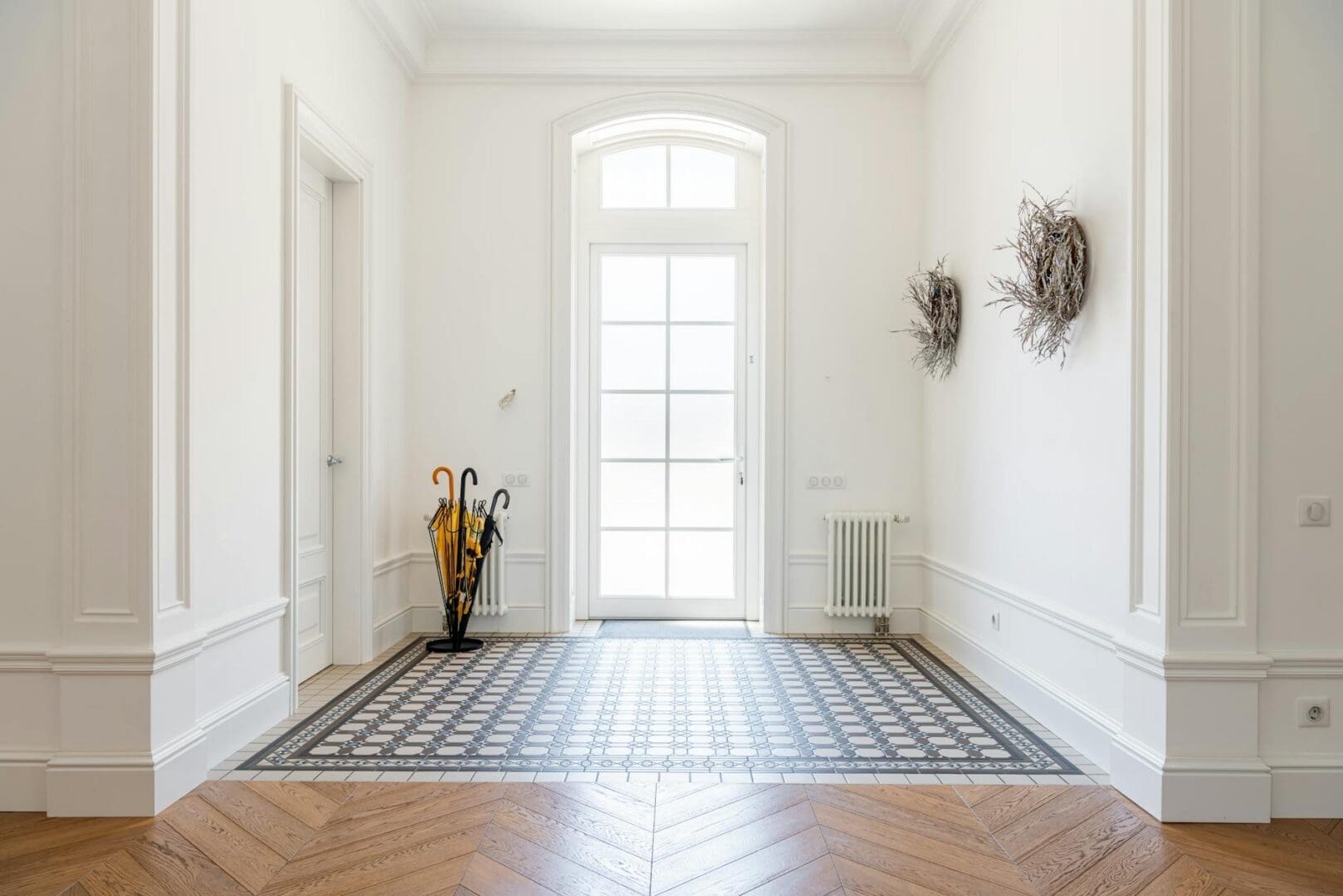
There’s something deeply frustrating about wet umbrellas dripping all over your entryway floor. You need somewhere to stash them that actually contains the mess, looks decent, and doesn’t tip over the moment someone drops in a full-size golf umbrella. The right umbrella stand solves all of this—but with options ranging from minimalist metal cylinders to ornate ceramic crocks, figuring out which one works for your space takes a bit of thought.
Size and Capacity: How Many Umbrellas Do You Actually Own?
Before you fall in love with a sleek narrow stand, count your umbrellas. Most households have 3-5 umbrellas floating around, but if you live with multiple people or near a rainy climate, that number climbs quickly.
Standard umbrella stands hold 4-6 umbrellas comfortably, with openings around 7-9 inches in diameter. If you regularly host guests or have a large family, look for wider stands (10-12 inches) or models with multiple compartments. Compact stands work beautifully in apartment entryways or small mudrooms, but they typically max out at 2-3 umbrellas.
Height matters too. Your stand should be tall enough that umbrellas don’t flop out—usually 18-24 inches works for standard umbrellas. If you store walking sticks or extra-long golf umbrellas, go for something closer to 24-26 inches.
Drainage and Water Management
This is where many pretty umbrella stands fail spectacularly. Water has to go somewhere, and if your stand doesn’t handle it well, you’ll end up with puddles or worse—a rusted-out base.
The best umbrella stands have removable drip trays or drainage inserts you can empty and clean easily. Metal stands often include a catch basin at the bottom, while ceramic and porcelain models may have a separate plastic liner. Look for stands where you can actually access this tray without tipping the whole thing over.
Some budget-friendly options (under $30) skip the drainage system entirely, which works fine if you place them on tile or waterproof flooring. But if you have hardwood or carpet nearby, spend a bit more for proper water containment. Mid-range stands ($40-$80) typically include thoughtful drainage features, while splurge-worthy options ($100+) often have sophisticated systems with hidden reservoirs.
Material Choices for Different Needs
The material you choose affects both durability and style, so think about where this stand will live.
Metal stands—usually steel, iron, or brass—are incredibly sturdy and handle heavy, wet umbrellas without tipping. They range from industrial wire frames to elegant powder-coated finishes. These work especially well in high-traffic entryways and modern or minimalist spaces. Expect to pay $35-$150 depending on finish quality.
Ceramic and porcelain stands bring a decorative element and work beautifully in traditional or eclectic homes. They’re heavier (which means stability) but can crack if knocked over. Most include a waterproof interior or removable liner. Budget versions start around $40, while artisan pieces can run $200+.
Wood stands offer warmth and texture but require more maintenance. Look for treated or sealed wood that can handle moisture, and avoid anything with a thin veneer that might peel. These typically fall in the $50-$120 range.
Plastic and resin stands are lightweight, affordable ($15-$40), and completely waterproof. They’re practical choices for kids’ umbrellas or casual spaces, though they lack the visual weight of other materials.
Style That Works With Your Entryway
Your umbrella stand shouldn’t be an afterthought—it’s one of the first things people see when they walk in.
For modern and contemporary spaces, look for clean-lined metal stands in matte black, brushed nickel, or brass. Geometric shapes and open frameworks keep things feeling light. Traditional entryways pair well with classic ceramic crocks, ornate metal bases, or wood stands with carved details. If your style leans coastal or farmhouse, consider galvanized metal buckets or stands with a weathered finish.
Think about your other entryway pieces too. If you have a coat rack, console table, or bench nearby, your umbrella stand should complement—not compete with—those elements. A tall, statement stand works when you have floor space to fill, while low-profile designs tuck neatly into corners.
The right umbrella stand keeps your entryway organized and your floors dry without demanding constant attention. Focus on practical features like proper drainage and adequate capacity first, then choose a style that makes your space feel pulled together. Whether you spend $25 or $200, picking one that actually works for your household means you’ll stop thinking about wet umbrellas entirely—and that’s exactly the point.
You’ve fallen for the classic look of Adirondack chairs, but now you’re stuck at the fork in the road: traditional wood or modern poly? It’s not just about aesthetics—this decision affects how much time you’ll spend on maintenance, how long your chairs will last, and whether you’ll be repainting in two years or still enjoying […]
There’s something wonderfully ironic about the Adirondack chair’s origin story. Back in 1903, Thomas Lee was vacationing in Westport, New York, frustrated by the lack of comfortable outdoor seating that could handle the sloped terrain of his property. So he built a wide-backed, slatted chair with a reclined seat—and accidentally created an icon. Today, you’ll […]
Nothing pulls together a patio quite like an outdoor rug—it defines your seating area, adds comfort underfoot, and makes the whole space feel more intentional. But get the size wrong, and it can look like a bath mat floating in the middle of your deck or a carpet that swallows your furniture whole. The good […]