Let’s be honest: that gorgeous velvet sofa you’ve been eyeing probably won’t survive the first juice box incident. When you’re shopping for a family sofa, the fabric matters just as much as the style. The right choice means you’ll actually enjoy your furniture instead of constantly worrying about the next spill, stain, or mystery smudge.
Here’s how to find sofa fabric that looks great and stands up to real family life.
Performance Fabrics Are Your Best Friend
Performance fabrics have come a long way from the stiff, plasticky textures you might remember. Today’s options feel soft and look sophisticated while resisting stains, moisture, and daily wear.
Look for fabrics treated with stain-resistant technology like Crypton, Sunbrella, or Revolution. These treatments create a barrier that prevents liquids from soaking into the fibers, giving you precious time to clean up spills before they set. A glass of grape juice on Revolution fabric? You can literally blot it away with a damp cloth.
Microfiber is another family-friendly champion. It’s tightly woven, naturally stain-resistant, and incredibly soft. The tight weave means crumbs and dirt sit on the surface rather than working their way deep into the fabric. Bonus: many microfibers can handle cleaning with just water and mild soap.
Price-wise, expect to pay $1,200-$2,500 for a quality performance fabric sofa in a standard three-seater size. Yes, that’s more than budget options, but you’re buying furniture that will actually last through the kid years.
Color and Pattern Strategy
White sofas with kids aren’t impossible, but they require either nerves of steel or a really good cleaning routine. For most families, working with color and pattern makes life easier.
Medium tones hide the most. Think warm grays, taupes, soft blues, or sage greens. They don’t show dirt as quickly as light colors or dust and pet hair like dark colors do. If you love darker shades, consider charcoal over true black—it’s more forgiving.
Patterns are secret weapons for busy households. A subtle texture, small-scale geometric, or tone-on-tone pattern camouflages minor stains and wear between deep cleanings. Avoid large-scale prints that might date quickly or show every little mark.
That said, if your heart is set on a light sofa, go for it—just make sure it’s a performance fabric. You can absolutely have the look you want with the right material backing it up.
Texture and Weave Matter
The weave of your sofa fabric affects both durability and maintenance. Tight weaves are your friend when kids are in the picture.
Avoid loose weaves like linen or loosely woven cotton blends. They snag easily, show pulls from toys or pet claws, and absorb stains quickly. Save these beautiful fabrics for when the kids are older or for rooms they don’t frequent.
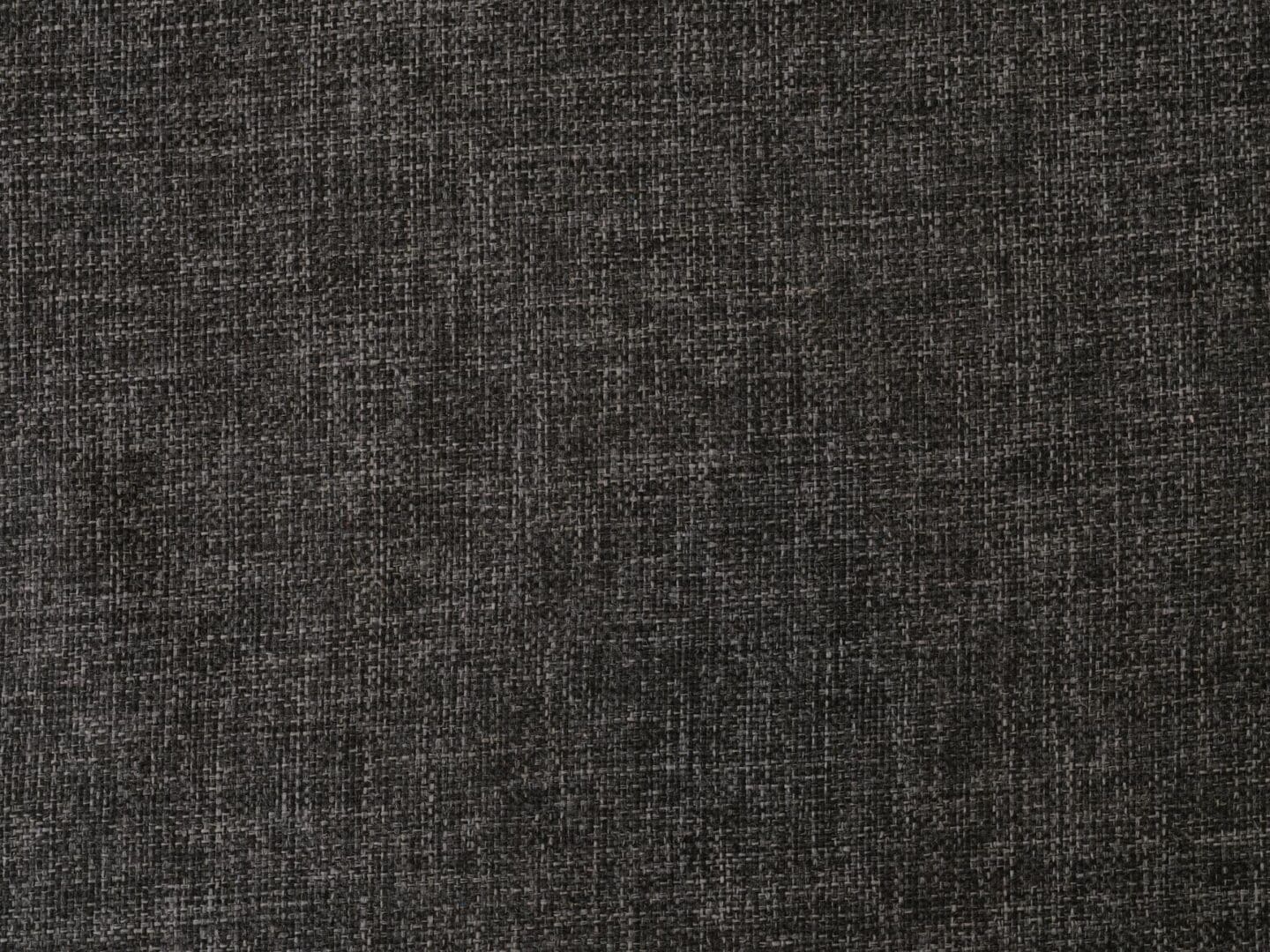
Flat weaves and tight patterns work better than chunky textures. While that trendy boucle looks amazing on Instagram, those loops can snag and trap crumbs. If you love texture, look for low-pile chenille or tightly constructed basket weaves instead.
Check the rub count (also called double rubs or Wyzenbeek rating) if the information is available. For family sofas, aim for at least 25,000 double rubs. Heavy-duty fabrics rated at 30,000 or higher will handle years of use. Anything under 15,000 is considered light-use only.
Leather and Faux Leather Options
Leather deserves its own consideration because it’s genuinely practical for families, despite some misconceptions.
Full-grain leather actually gets better with age. Spills wipe right off the surface, and the patina that develops over time looks intentional rather than worn out. It’s cool in summer, warm in winter, and nearly indestructible. The investment is real—expect $2,500-$5,000 for quality leather—but it can last decades.
Top-grain leather offers similar benefits at a slightly lower price point. It’s been lightly sanded and finished, making it more uniform in appearance and still very durable.
Faux leather has improved dramatically and starts around $800-$1,500. Look for high-quality polyurethane options that breathe better than vinyl. They won’t develop patina like real leather, but they handle spills beautifully and work well for families who prefer not to use animal products.
The main consideration with any leather is that it can scratch. If that bothers you, skip it. If you can embrace scratches as character marks, leather might be your perfect match.
Choosing sofa fabric when you have kids means balancing what you love with what will actually work in your daily life. Performance fabrics in medium tones with tight weaves give you the most flexibility—you get style without the constant stress. Whether you land on a stain-resistant microfiber, a patterned performance fabric, or durable leather, picking the right material means you’ll actually use and enjoy your sofa instead of nervously guarding it. And isn’t that the whole point of furniture?
You need more storage in your living room, but a bulky bookcase feels too heavy and floating shelves aren’t cutting it. A credenza might be exactly what you’re looking for—it’s that low-profile cabinet that gives you tons of hidden storage while creating a beautiful surface for lamps, plants, and the things you actually want to […]
If you’ve been hitting snooze repeatedly or dragging yourself out of bed feeling groggy, you’re not alone. Waking up to a jarring alarm in a dark room works against your body’s natural rhythms, especially during winter months. A sunrise alarm clock mimics natural dawn, gradually filling your room with light to ease you awake. But […]
Waking up at 3 a.m. with a sweaty neck and flipping your pillow to the cool side for the fourth time isn’t just annoying—it’s robbing you of quality sleep. If you’re a hot sleeper, your pillow might be trapping heat against your head and neck all night long. The good news? The right cooling pillow […]