You’ve found the perfect spot for a sideboard in your dining room, but now you’re staring at dozens of options online and wondering: how tall should this thing actually be? Get it wrong, and your beautiful buffet will look awkward, make serving uncomfortable, or throw off the entire room’s proportions. The good news? There’s a sweet spot for sideboard height, and finding it is easier than you think.
The Standard Sideboard Height Range
Most dining room sideboards fall between 34 and 38 inches tall, which isn’t arbitrary—this range works because it aligns perfectly with standard dining table heights of 28 to 30 inches. When your sideboard is roughly 6 to 8 inches taller than your table, it creates a natural visual flow and makes serving incredibly practical. You can easily set down dishes from the table without awkward bending or reaching.
That said, you’ll find sideboards as short as 30 inches (closer to console table territory) and as tall as 42 inches (venturing into china cabinet range). The key is understanding what height works for your specific situation rather than just grabbing whatever’s on sale.
Matching Height to Function
Think about how you’ll actually use this piece. If you’re primarily using it as a serving station during meals, stick with the 34 to 38-inch range. This height lets you comfortably set down hot dishes, carve a roast, or arrange appetizers without hunching over or stretching.
Planning to display items on top? A shorter sideboard (30 to 34 inches) gives you more wall space above for artwork or a mirror, creating a nice layered look. This works especially well in rooms with lower ceilings or when you want the wall decor to be the star.
If storage is your main concern and you’re dealing with limited floor space, consider a taller piece (38 to 42 inches). You’ll maximize vertical storage without the piece taking over the room. Just make sure the proportions still feel balanced—a very tall, very narrow sideboard can look top-heavy.
Considering Your Room’s Proportions
Your ceiling height matters more than you’d think. In a room with 8-foot ceilings, a 36-inch sideboard typically looks just right—substantial enough to anchor the space without overwhelming it. With 9 or 10-foot ceilings, you can go taller (38 to 40 inches) and the piece will still feel grounded rather than squat.
The length of your sideboard also plays into height decisions. A 72-inch long buffet can handle being 38 inches tall without looking stubby, while a compact 48-inch piece often looks better at 34 to 36 inches. Think about the overall rectangle you’re creating—extremely long and low can read as coffee table, while short and tall might feel more like a nightstand.
Window placement is another practical consideration. If your sideboard will sit under a window, measure carefully. You’ll want at least 6 inches of clearance between the top of the sideboard and the window sill, or the whole setup will feel cramped and you’ll struggle to open the window.
Style and Visual Balance
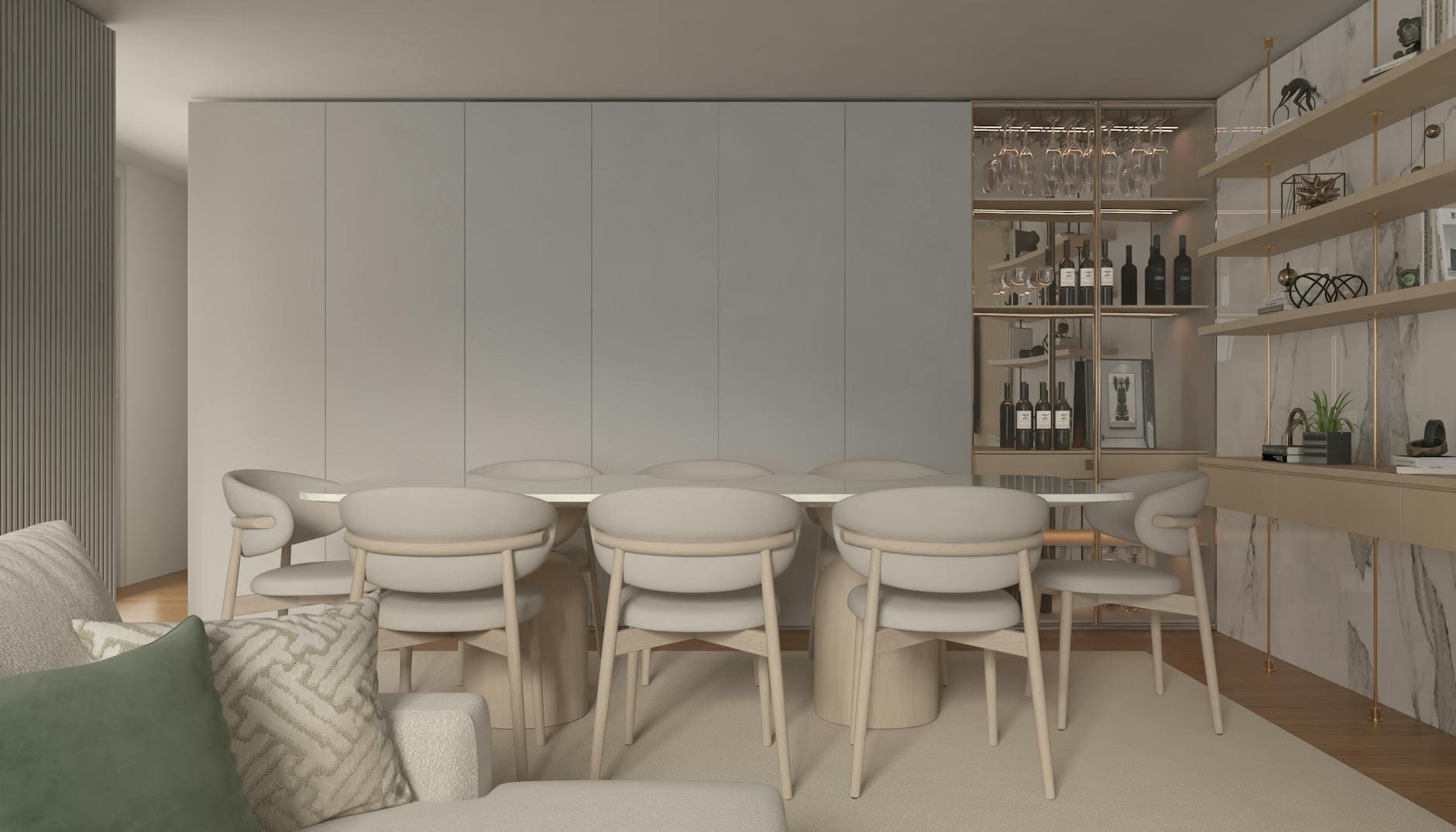
Traditional and formal dining rooms tend to favor taller sideboards in that 36 to 38-inch range, often with more vertical elements like raised backs or hutch tops. These pieces have presence and formality that matches the room’s character.
Modern and casual spaces often look better with lower-profile sideboards (32 to 35 inches). The horizontal emphasis creates a more relaxed, contemporary feel. Mid-century modern pieces, for instance, typically sit lower and longer, which is part of their signature look.
Whatever style you choose, your sideboard should relate proportionally to your dining table. Stand back and imagine them together—they should feel like they belong in the same room, even if they’re not a matched set.
Finding the right sideboard height comes down to measuring your space, considering how you’ll use it, and thinking about the overall look you want. That 34 to 38-inch range is popular for good reason, but don’t be afraid to go shorter or taller if your specific situation calls for it. Measure your dining table height, check your ceiling clearance and window sills, and picture how you’ll actually use this piece day to day. When all those factors align, you’ll know you’ve found the right fit.
Hallways are the overlooked workhorses of our homes—they connect every room, but rarely get the storage love they deserve. A well-chosen sideboard transforms that narrow stretch of wall into genuinely useful space without making your hallway feel like an obstacle course. The trick is finding one that fits the proportions of the room while actually […]
Dark kitchens—whether they feature rich espresso cabinets, moody charcoal walls, or black granite countertops—create incredible drama and sophistication. But they also present a unique challenge when it comes to choosing bar stools. Pick the wrong ones, and your beautiful space can feel cave-like or visually heavy. Choose wisely, and your stools become the bright spot […]
Your kitchen peninsula is prime real estate—it’s where morning coffee happens, where kids do homework while you’re prepping dinner, and where guests naturally gather during parties. Getting the right bar stools makes all the difference between a peninsula that feels welcoming and one that sits empty. But with so many options for height, style, and […]