Staring at a blank wall or empty corner in your home office? You’re not alone. Plants can transform a sterile workspace into somewhere you actually want to spend eight hours a day, but choosing the wrong ones means dealing with brown leaves, dropped foliage, or that guilty feeling every time you walk past a struggling succulent. The good news is that finding the right plants for your office isn’t complicated once you know what to look for.
Match Plants to Your Light Situation
Before you fall in love with any particular plant, spend a day observing your office’s natural light. This single factor determines about 80% of your plant success.
If your office has a south or west-facing window, you’re in luck. You can grow just about anything, including fiddle leaf figs, bird of paradise, or even a small citrus tree. These bright-light lovers will thrive and make a real statement in your space.
North or east-facing windows, or offices without direct sunlight, call for low-light champions. Pothos, snake plants, and ZZ plants actually prefer these conditions and will reward your neglect with steady growth. Dracaena and philodendron varieties also do well in moderate light and come in sizes ranging from desktop additions to floor-standing focal points.
No windows at all? Stick with extremely low-light tolerant varieties like snake plants or invest in a grow light. A small LED grow bulb (around $15-30) opens up your options considerably and can double as task lighting.
Consider Your Actual Care Capacity
Be honest about how much attention you’ll realistically give your office plants. There’s no shame in choosing low-maintenance varieties if you’re juggling deadlines and video calls all day.
For the “set it and forget it” approach, snake plants and ZZ plants can go two to three weeks between waterings. They’ll survive if you occasionally forget about them entirely. Pothos and philodendrons are nearly as forgiving and will drape beautifully from a shelf or file cabinet.
If you enjoy a quick daily check-in with your plants, consider ferns, calatheas, or peace lilies. These need more consistent moisture and humidity but offer gorgeous foliage patterns that make them conversation starters during video calls. Just know they’ll protest (with brown tips or drooping leaves) if you skip their care routine.
Budget-wise, most starter plants run $10-30 for small sizes, $40-80 for statement pieces, and $100+ for mature floor plants or trendy varieties like variegated monsteras.
Size and Placement Strategy
Think about your office layout and where plants will actually enhance your space rather than create obstacles.
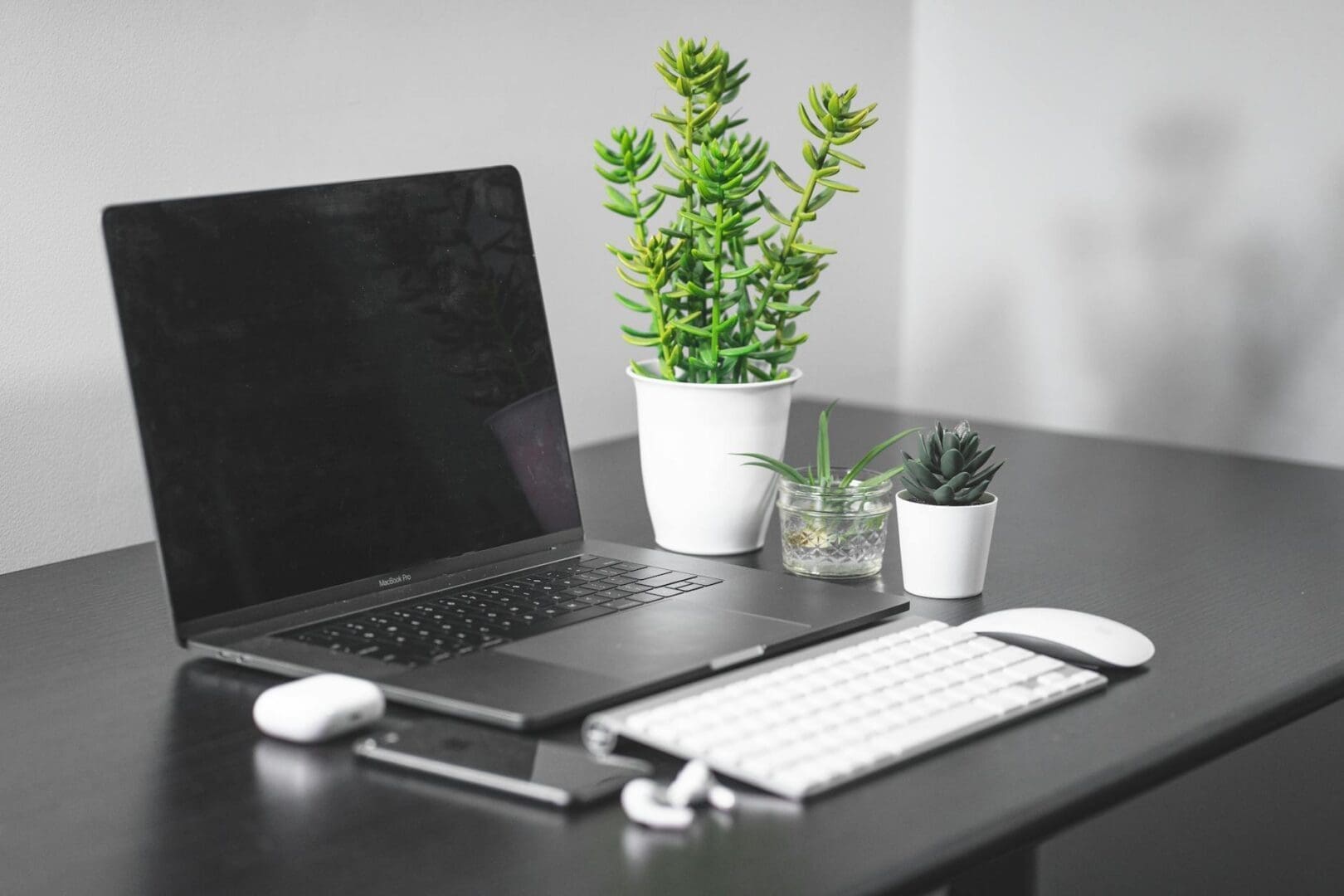
Desktop plants should stay under 12 inches tall so they don’t block your screen or create visual clutter during calls. Small pothos, peperomias, or a tidy snake plant work perfectly here. If desk space is precious, wall-mounted planters or hanging varieties free up your work surface entirely.
Floor plants make the biggest impact and help fill awkward corners or empty spaces beside filing cabinets. A monstera, rubber plant, or large snake plant (3-5 feet tall) creates a professional backdrop without overwhelming a room. Make sure there’s enough clearance that you’re not brushing against leaves every time you roll your chair back.
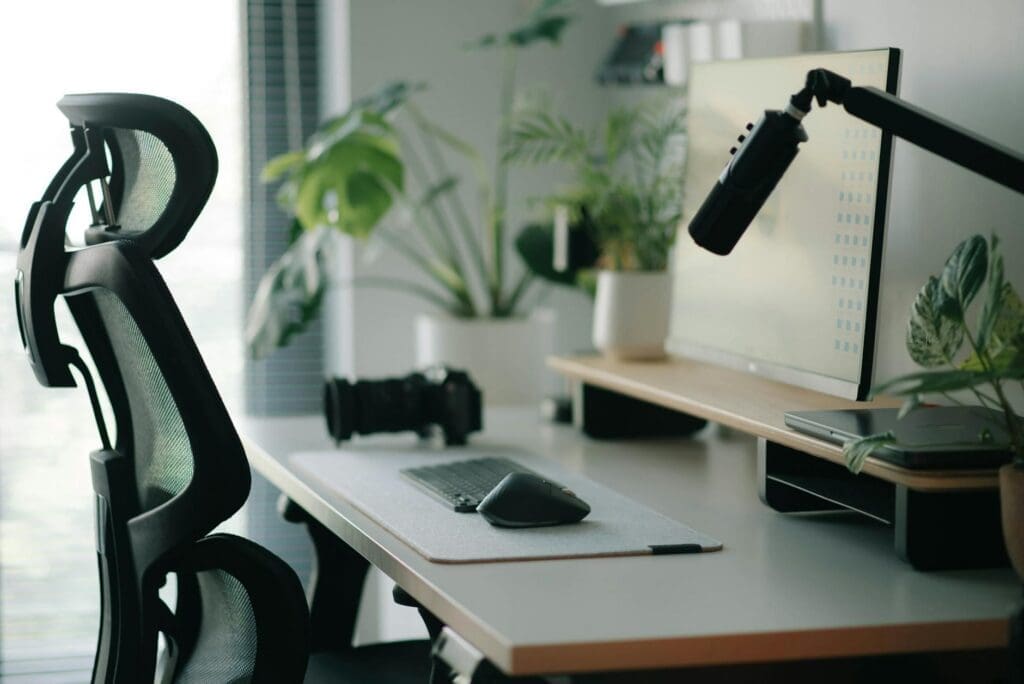
Shelving plants add life at eye level, which matters more than you’d think for Zoom calls. Trailing pothos or philodendrons soften hard edges and create visual interest behind you without looking staged.
Air Quality and Workspace Wellness
While plants won’t replace a good air purifier, certain varieties do filter common indoor pollutants. Snake plants, spider plants, and pothos remove formaldehyde and benzene from the air. Peace lilies tackle mold spores and trichloroethylene.
Beyond air quality, having living things in your workspace reduces stress and can improve focus. Choose plants you genuinely enjoy looking at. If you love dramatic foliage, go for a bird of paradise or alocasia. If you prefer tidy, architectural shapes, snake plants or umbrella plants might suit you better.
Your home office should feel like a place that energizes you, not drains you. The right plants work quietly in the background, improving your space without demanding constant attention. Start with one or two varieties that match your light and lifestyle, see how they settle in, and build from there. You’ll know you’ve found the right fit when you stop noticing the care and start simply enjoying their presence.
Your home office deserves better than a jumble of mismatched shelves and that filing cabinet you’ve been meaning to replace. A storage wall unit can transform your workspace from chaotic to composed, giving you dedicated spots for books, supplies, tech equipment, and all those things that currently live in piles. The trick is finding one […]
Your back is telling you it’s time. After months of working from home in a dining chair or that hand-me-down seat from college, you’re ready to invest in a proper office chair. The good news? You don’t need to spend $800 on a Herman Miller to get real ergonomic support. The under-$300 market is packed […]
If you’re spending hours at your desk every day, your office chair matters more than you might think. The two most popular materials—mesh and leather—each have devoted fans, but they deliver very different sitting experiences. Let’s break down what actually matters so you can choose the one that fits your workday, your space, and your […]