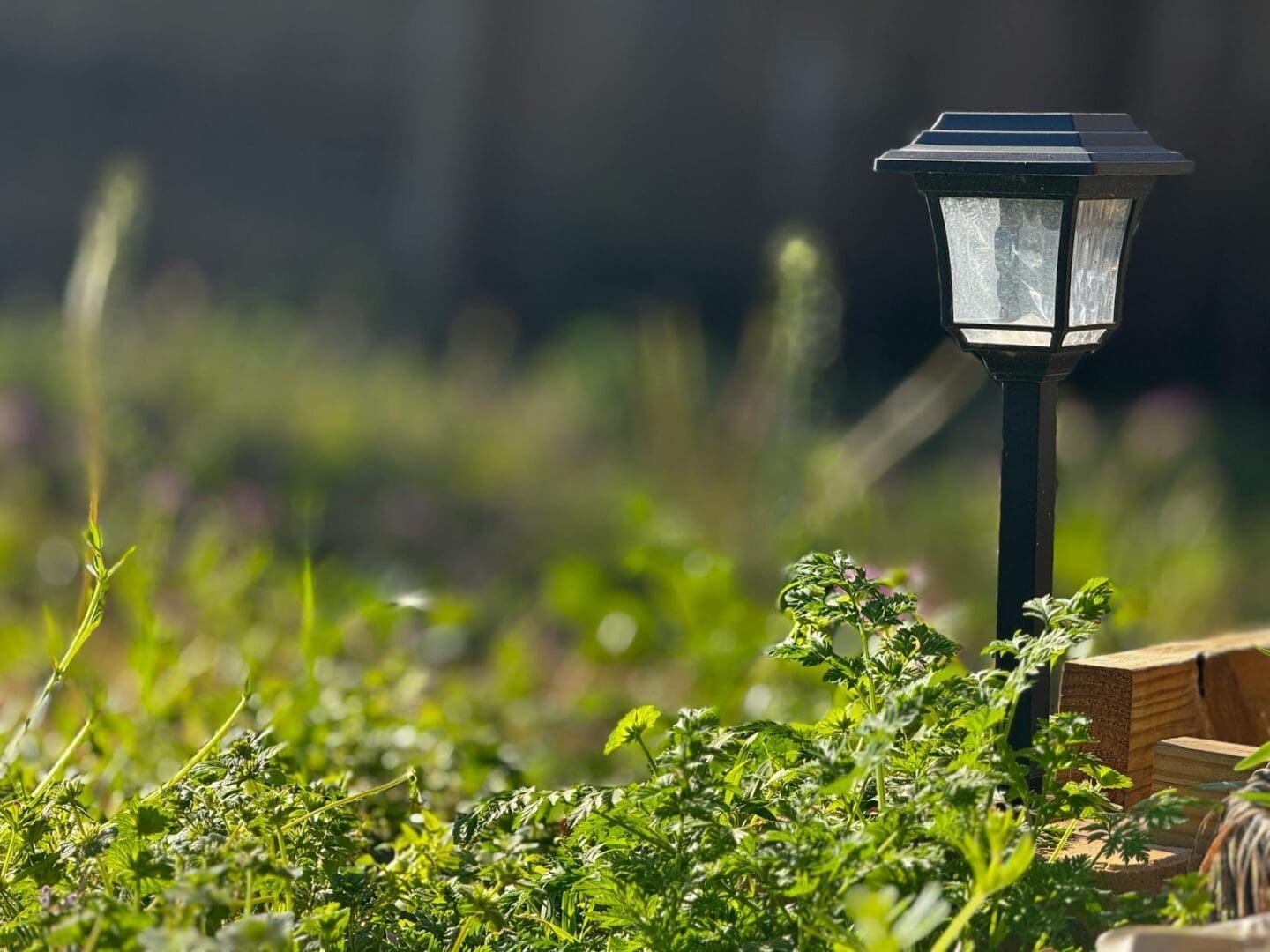
There’s something magical about a well-lit outdoor space at night—but running electrical wiring across your yard? That’s decidedly less magical. Solar lighting promises an easy solution: no electrician needed, no trenching, and zero impact on your electric bill. The catch? Not all solar lights are created equal, and picking the wrong ones means dealing with dim, flickering lights that die before midnight. Here’s what you need to know to choose solar lights that actually deliver.
Understanding Solar Panel Quality and Placement
The solar panel is the heart of any solar light, and its efficiency determines everything else. Look for monocrystalline panels rather than polycrystalline—they’re more efficient and perform better in partial shade or cloudy conditions. Panel size matters too; larger panels (typically 2×3 inches or bigger for pathway lights) collect more energy and keep your lights running longer.
Before you buy, honestly assess your sun exposure. Those charming pathway lights you’re eyeing need at least 6-8 hours of direct sunlight daily to perform well. If your desired location gets heavy shade, even the best solar lights will disappoint you. For shadier spots, consider solar lights with detachable panels that you can position in a sunnier location while the light itself sits in shade.
Battery Capacity and Runtime Reality
Here’s where many shoppers get tripped up: the battery capacity directly determines how long your lights actually stay on. Budget solar lights ($10-25 each) typically use 600-800mAh batteries that might give you 4-6 hours of light. Mid-range options ($25-50) often feature 1200-2000mAh batteries for 8-10 hours of runtime. Premium solar lights ($50-150+) can include batteries up to 3000mAh that last all night, even in winter.
Pay attention to the battery type too. Lithium-ion batteries outlast and outperform the older NiMH batteries, especially in cold weather. They’re worth the extra cost if you live anywhere with actual winters. Also check if the batteries are replaceable—they’ll need replacing every 2-3 years, and non-replaceable batteries mean you’ll need to replace the entire fixture.
Brightness Levels and Light Quality
Lumens tell you how bright your lights will be, but the right brightness depends entirely on your purpose. For ambient pathway lighting, 5-15 lumens per fixture creates a soft glow. Accent lights for landscaping features work well at 50-100 lumens. Security or task lighting around entryways needs 300-700 lumens to be truly functional.
Consider lights with adjustable brightness settings or motion sensors. These features let your lights run in a dim mode to conserve battery, then brighten when you actually need them. Motion-activated security lights are particularly smart investments—they can stay in standby mode for weeks, then deliver full brightness when movement is detected.
Color temperature matters for ambiance. Warm white (2700-3000K) creates an inviting glow perfect for entertaining spaces and pathways. Cool white (5000-6500K) provides clearer visibility for security purposes but feels less welcoming. Many homeowners prefer warm white for front yards and entertaining areas, reserving cool white for purely functional areas like back gates.
Durability and Weather Resistance
Your solar lights will face rain, snow, heat, and UV exposure year-round. Look for fixtures rated IP65 or higher—this means they’re fully dust-tight and protected against water jets from any direction. IP67 ratings offer even better protection against temporary submersion, useful if you live in heavy rain areas or near sprinklers.
Materials matter for longevity. Stainless steel and aluminum fixtures resist rust and corrosion better than plastic, though quality plastics (like ABS) hold up reasonably well and cost less. Glass lenses stay clearer longer than plastic ones, which can yellow and cloud over time from UV exposure. Budget an extra $10-20 per fixture for metal construction—it pays off in lifespan.
Check reviews for real-world durability. A light that looks great in photos but cracks after one winter isn’t worth any price. Look for warranties of at least one year, with two years being better for premium fixtures.
Choosing the right solar lighting comes down to matching the product to your specific conditions and needs. Measure your sun exposure honestly, invest in adequate battery capacity for your desired runtime, and don’t skimp on weather resistance if you want lights that last more than a season. The upfront cost difference between budget and quality solar lights is usually $20-40 per fixture—but quality lights that actually work for 3-5 years beat cheap ones that fail in six months every time.
You’ve fallen for the classic look of Adirondack chairs, but now you’re stuck at the fork in the road: traditional wood or modern poly? It’s not just about aesthetics—this decision affects how much time you’ll spend on maintenance, how long your chairs will last, and whether you’ll be repainting in two years or still enjoying […]
There’s something wonderfully ironic about the Adirondack chair’s origin story. Back in 1903, Thomas Lee was vacationing in Westport, New York, frustrated by the lack of comfortable outdoor seating that could handle the sloped terrain of his property. So he built a wide-backed, slatted chair with a reclined seat—and accidentally created an icon. Today, you’ll […]
Nothing pulls together a patio quite like an outdoor rug—it defines your seating area, adds comfort underfoot, and makes the whole space feel more intentional. But get the size wrong, and it can look like a bath mat floating in the middle of your deck or a carpet that swallows your furniture whole. The good […]