Your covered porch has so much potential—it’s that perfect in-between space where you can enjoy fresh air without worrying about rain or harsh sun. But there’s something about a bare porch floor that makes the space feel unfinished. The right outdoor rug pulls everything together, defines your seating area, and makes the whole space feel more like an extension of your home than just a pass-through. Let’s walk through what actually matters when you’re shopping for one.
Getting the Material Right for Your Coverage Level
Even though your porch is covered, it’s not exactly indoors. You’ll still deal with humidity, temperature swings, and the occasional windblown rain. That said, you have more options than someone furnishing a fully exposed deck.
Polypropylene rugs are the workhorses of outdoor spaces. They resist moisture, dry quickly, and handle UV exposure without fading. You’ll find these in the budget range ($50-150 for a 5×7) and they’re practically indestructible. The downside? They can feel a bit plasticky underfoot.
If you want something softer, consider solution-dyed acrylic or polyester blends. These feel closer to indoor rugs while still handling outdoor conditions. They’re typically mid-range ($150-400) and offer better texture and pattern definition. Because your porch is covered, these materials will last longer here than they would in direct weather.
Natural fiber rugs like jute, sisal, or seagrass can work on covered porches in dry climates, but think twice if you’re in a humid area. They add beautiful texture and an organic feel, but they can mildew if they stay damp. If you love the look, look for synthetic versions that mimic natural fibers—you get the aesthetic without the maintenance headaches.
Size and Placement Strategy
The biggest mistake people make is buying a rug that’s too small. A tiny rug floating in the middle of your porch makes everything look disconnected and actually shrinks the space visually.
For seating areas, your rug should be large enough that at least the front legs of all your furniture sit on it—ideally all the legs. Measure your furniture arrangement first, then add 18-24 inches on each side. A standard 8×10 rug works well for most porch seating groups with a sofa and chairs. If you’re working with a smaller space, a 5×7 can define a bistro set or a pair of chairs.
If your porch is long and narrow, consider a runner (usually 2-3 feet wide and 8-12 feet long) down the center, or even layering two smaller rugs to create zones—one for seating, one for a dining area.
Leave some breathing room between your rug edges and walls or railings. You want to see some of your porch floor; it creates a frame and keeps things from feeling cramped.
Pattern and Color Choices That Work
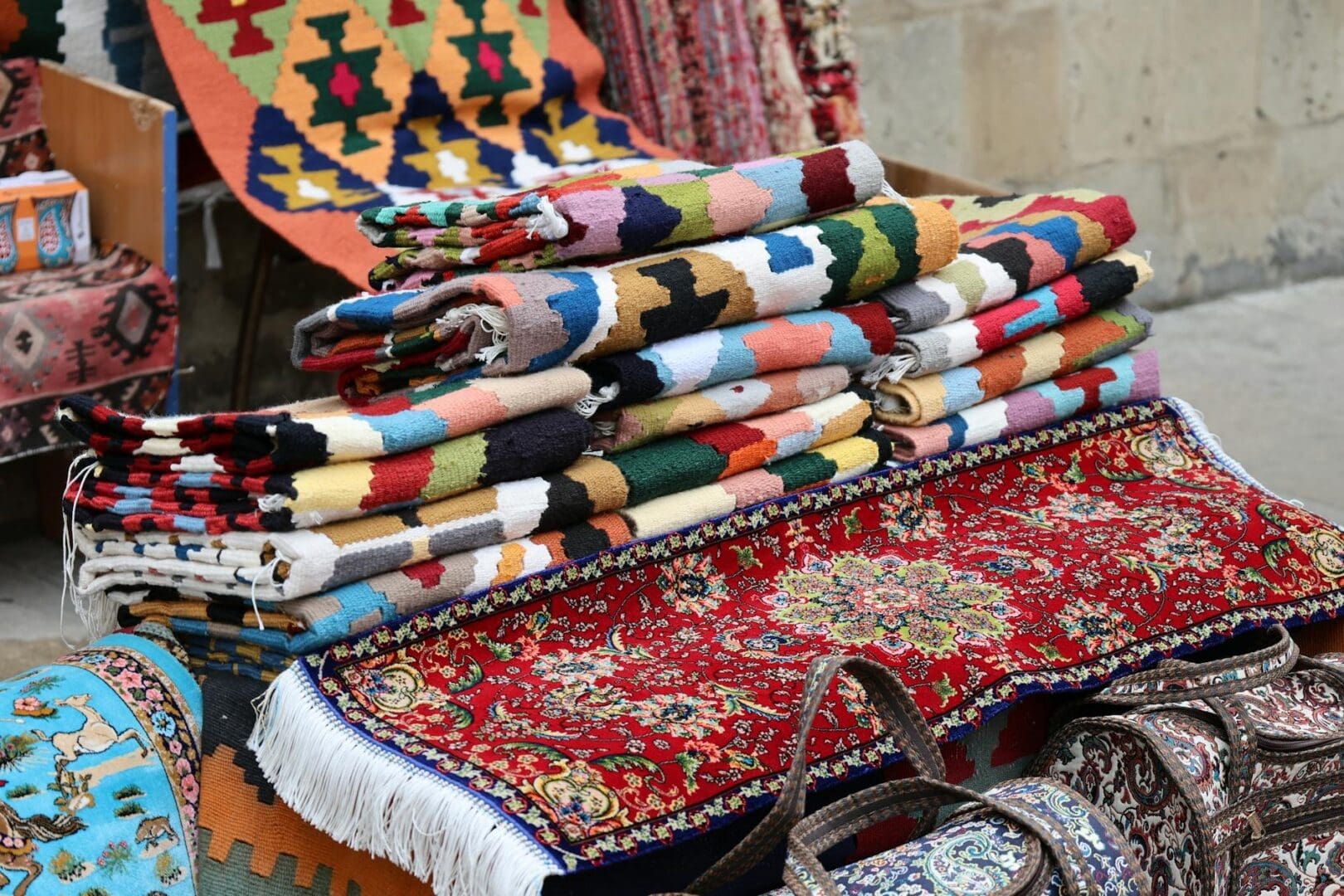
Outdoor rugs have come a long way from the basic stripe. You’ll find everything from traditional Persian-inspired patterns to modern geometrics and coastal motifs.
Patterns are your friend on a porch. They hide dirt and wear better than solid colors, which matters when you’re dealing with an outdoor space. Busy patterns camouflage the inevitable pollen, tracked-in leaves, and wear patterns that develop in high-traffic spots.
Color-wise, consider what you’re working with. Look at your porch floor, your home’s siding or brick, and any existing furniture. Medium-tone rugs in blues, grays, or multi-color patterns tend to be the most forgiving. If your furniture is neutral, a bolder rug adds personality. If you’ve already got colorful cushions and accessories, let the rug be a supporting player in a more subdued palette.
Lighter rugs show dirt faster but can brighten a shaded porch. Darker rugs are practical but can make a small space feel smaller. Multi-color patterns often hit the sweet spot.
Practical Features Worth Considering
Look for rugs labeled as UV-resistant or fade-resistant—this matters even under cover, especially if your porch gets strong indirect light. Quality outdoor rugs will specify their UV rating.
A low pile or flat weave is easier to clean and dries faster than high-pile options. Save the plush rugs for fully enclosed spaces. You should be able to shake out debris or hose off the rug without it becoming a soggy mess.
Rug pads designed for outdoor use prevent slipping and allow air circulation underneath, which helps with drying and prevents mildew. They’re usually $20-60 depending on size and absolutely worth it.
The right outdoor rug transforms your covered porch from a transitional space into a destination. Take your measurements, think about how you actually use the space, and choose materials that match your climate and maintenance preferences. You’ll know you’ve found the right one when it makes you want to spend more time out there—which is the whole point.
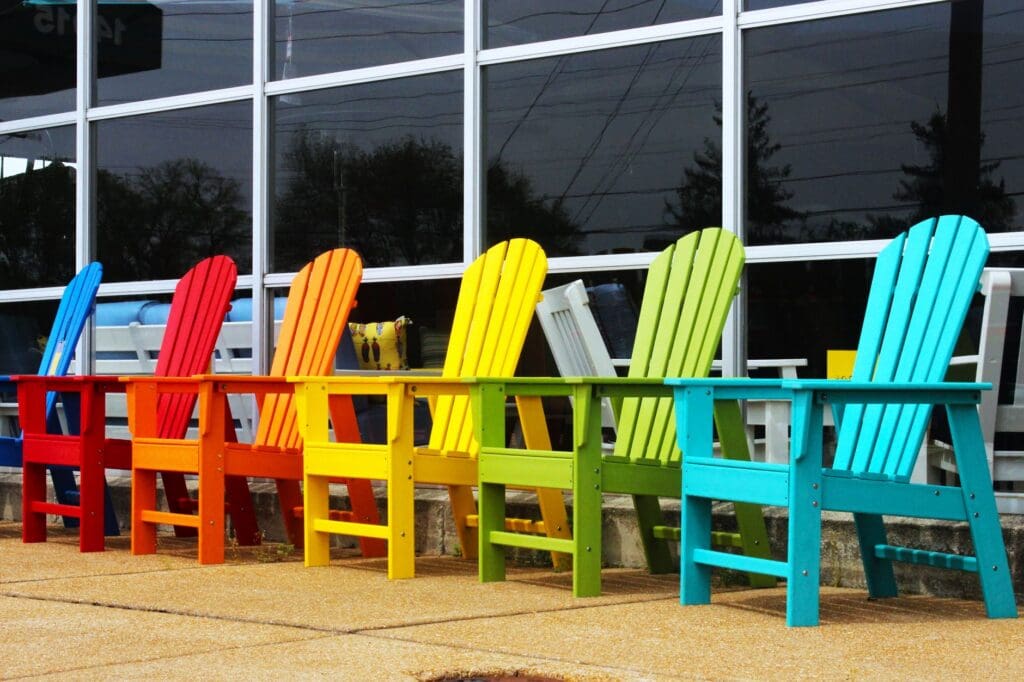
You’ve fallen for the classic look of Adirondack chairs, but now you’re stuck at the fork in the road: traditional wood or modern poly? It’s not just about aesthetics—this decision affects how much time you’ll spend on maintenance, how long your chairs will last, and whether you’ll be repainting in two years or still enjoying […]
There’s something wonderfully ironic about the Adirondack chair’s origin story. Back in 1903, Thomas Lee was vacationing in Westport, New York, frustrated by the lack of comfortable outdoor seating that could handle the sloped terrain of his property. So he built a wide-backed, slatted chair with a reclined seat—and accidentally created an icon. Today, you’ll […]
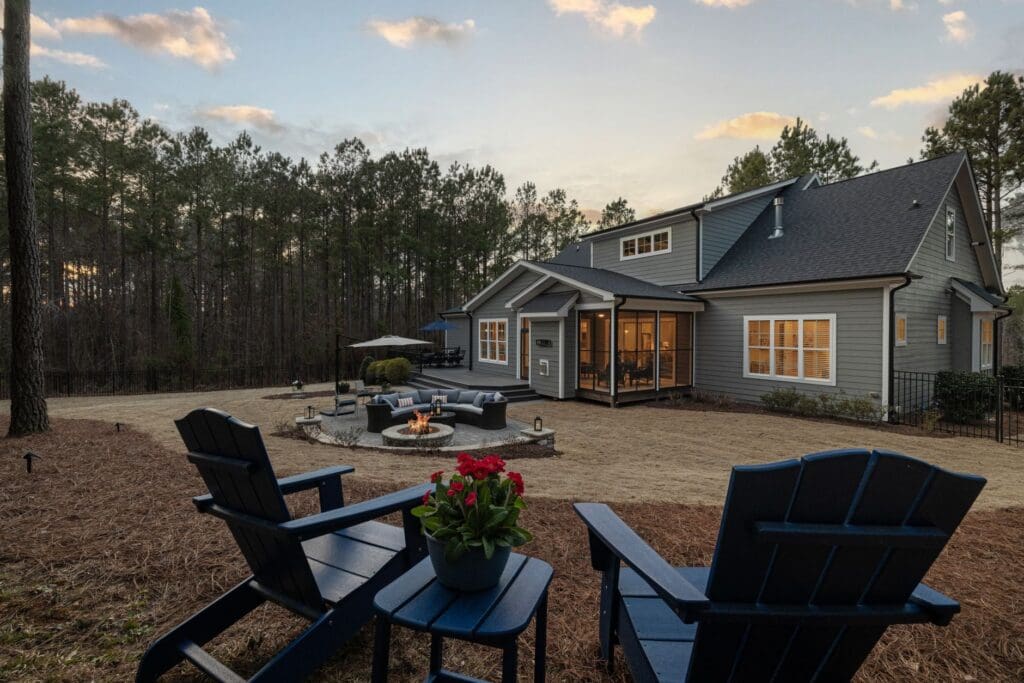
A dark backyard feels smaller, less usable, and honestly a bit uninviting once the sun goes down. Whether you’re trying to make your outdoor space safer, extend your entertaining hours, or simply discourage unwanted visitors, the right flood lights can completely transform how you use your yard after dark. The challenge is figuring out which […]