You’ve got the patio furniture arranged, maybe some string lights overhead, but something’s still missing. The right planters can transform your outdoor space from basic to beautiful, adding color, texture, and life exactly where you need it. But walk into any garden center and you’ll face an overwhelming wall of options—terra cotta, fiberglass, ceramic, concrete, metal—in every size and price point imaginable. Here’s how to choose planters that’ll work with your space, survive your climate, and actually help your plants thrive.
Size and Proportion Matter More Than You Think
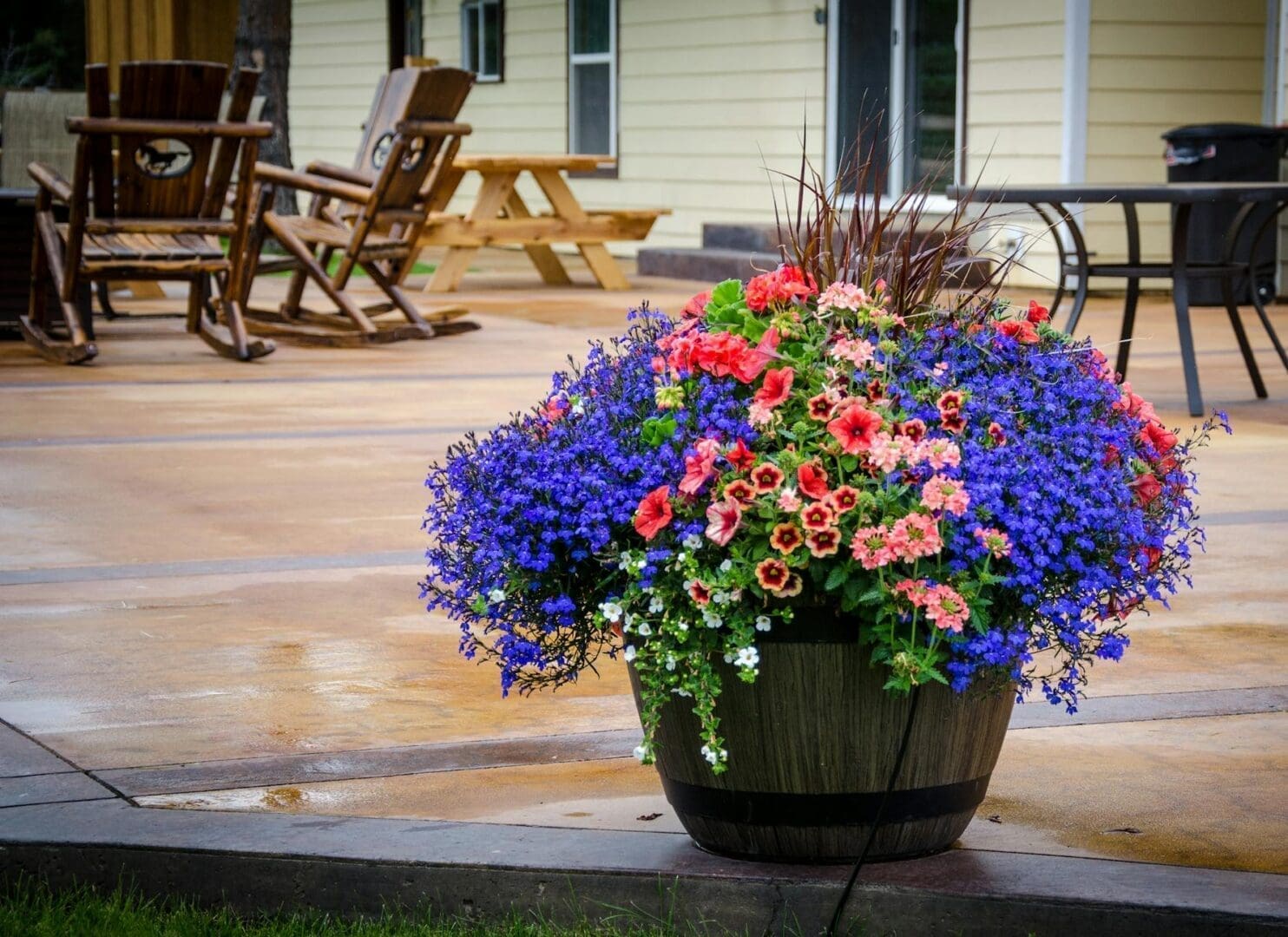
The biggest mistake people make is going too small. A few tiny pots scattered around look cluttered and get lost on a patio. Instead, think in terms of groupings and scale. For a standard 10×12 patio, you’ll want at least one statement planter that’s 18-24 inches in diameter, paired with a few medium-sized pots in the 12-16 inch range.
Consider where you’ll place them too. Flanking a doorway? Go for matching tall planters, at least 24 inches high, to create a sense of entry. Creating a privacy screen? Look for rectangular trough planters that can hold multiple plants and fill horizontal space. Corner spaces love a cluster of three planters in varying heights—try grouping a 20-inch, 14-inch, and 10-inch pot together for visual interest.
Keep in mind that larger planters are actually easier to maintain. They hold more soil, which means they retain moisture longer and insulate roots better during temperature swings. Your plants will thank you, and you’ll water less frequently.
Material Choices: Balancing Style, Durability, and Budget
The material you choose determines how your planters will weather, how much they’ll weigh, and how long they’ll last.
Terra cotta and ceramic: Classic and affordable ($15-$60 for most sizes), but porous and prone to cracking in freezing temperatures. Perfect if you’re in a mild climate or willing to bring them inside for winter. Glazed ceramic holds moisture better and comes in gorgeous colors.
Resin and fiberglass: The workhorses of outdoor planters ($30-$150). Lightweight, weather-resistant, and available in convincing stone or ceramic finishes. Ideal if you move planters seasonally or have a rooftop patio with weight restrictions.
Metal: Galvanized steel and powder-coated aluminum planters ($40-$200) bring modern style and serious durability. Just ensure they have proper drainage holes and consider that metal heats up quickly in direct sun, which can stress plant roots.
Concrete and stone: Heavy, permanent, and beautiful ($80-$300+). These develop a lovely patina over time and provide excellent insulation for plants. Once placed, they’re staying put—which can be a feature or a drawback depending on your needs.
Wood and wicker: Natural and warm-looking ($35-$150), but require more maintenance. Cedar and teak hold up best outdoors. Wicker planters typically have plastic liners and work well in covered patio areas.
Drainage and Planting Success
This isn’t glamorous, but it’s crucial: your planters need drainage holes. Standing water kills more container plants than anything else. If you fall in love with a planter without drainage, use it as a decorative cachepot and keep your plant in a slightly smaller nursery pot with holes that sits inside.
Look for planters with at least one hole that’s a half-inch in diameter, or several smaller holes. Elevated planters with built-in feet are even better—they allow air circulation underneath and prevent staining on wood or composite decking. Some higher-end planters ($100+) include self-watering reservoirs, which are genuinely helpful if you travel frequently or live somewhere scorching hot.
Style That Complements Your Space
Your planters should feel intentional, not random. If your patio has modern metal furniture, sleek fiberglass or powder-coated steel planters in solid colors make sense. Traditional outdoor spaces pair beautifully with classic terra cotta or decorative ceramic. For farmhouse or cottage styles, galvanized metal and weathered wood planters feel right at home.
Color-wise, neutrals (white, black, gray, natural terracotta) are the most versatile and let your plants be the stars. That said, a few bold colored planters can make an impact if your patio scheme is otherwise simple. Stick to two or three coordinating styles rather than buying all different planters—cohesion creates a more polished, designed look.
When you’re shopping, picture your planters filled with lush, overflowing plants rather than empty. That helps you choose based on how they’ll actually look in your space, not just how they appear on the shelf. The right planters become the framework for your patio garden, defining spaces and adding architecture even before you add a single plant.
You’ve fallen for the classic look of Adirondack chairs, but now you’re stuck at the fork in the road: traditional wood or modern poly? It’s not just about aesthetics—this decision affects how much time you’ll spend on maintenance, how long your chairs will last, and whether you’ll be repainting in two years or still enjoying […]
There’s something wonderfully ironic about the Adirondack chair’s origin story. Back in 1903, Thomas Lee was vacationing in Westport, New York, frustrated by the lack of comfortable outdoor seating that could handle the sloped terrain of his property. So he built a wide-backed, slatted chair with a reclined seat—and accidentally created an icon. Today, you’ll […]
Nothing pulls together a patio quite like an outdoor rug—it defines your seating area, adds comfort underfoot, and makes the whole space feel more intentional. But get the size wrong, and it can look like a bath mat floating in the middle of your deck or a carpet that swallows your furniture whole. The good […]