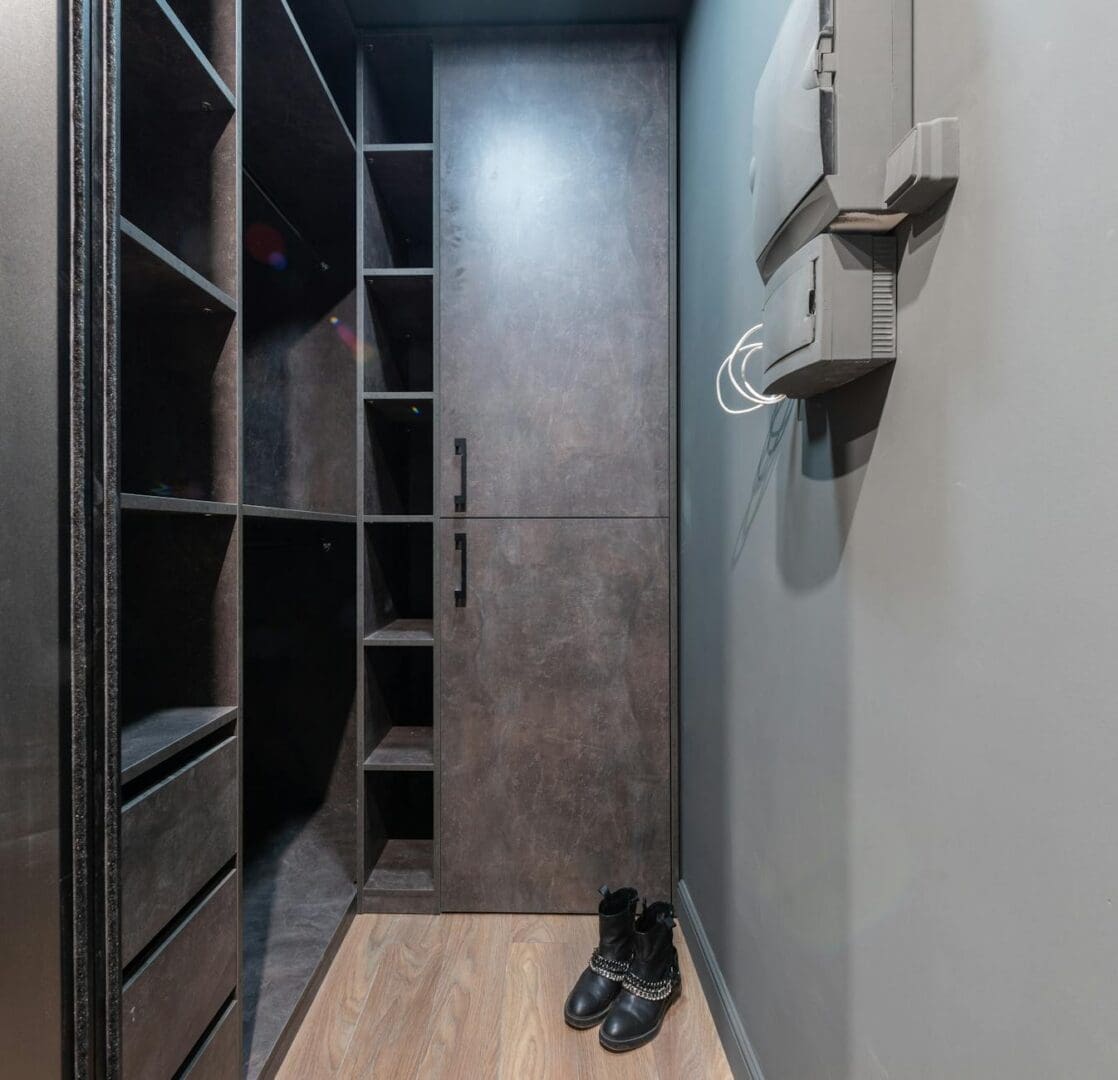
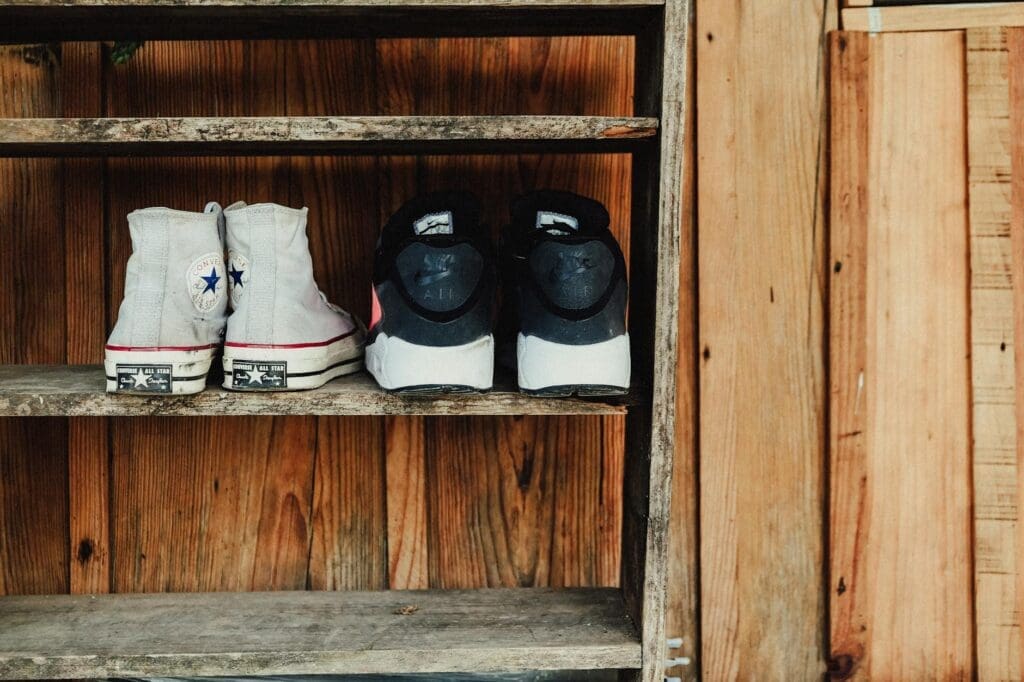
Your shoes are taking over your entryway, bedroom floor, or closet, and you’re finally ready to do something about it. But as you start shopping for shoe storage, you’re facing a surprisingly tricky decision: should you go with open shelving where everything’s visible, or closed cabinets that hide it all away? Both have their devoted fans, and the right choice depends on your specific situation.
Consider Your Space and Layout
The physical location of your shoe storage matters more than you might think. Open shoe racks work beautifully in walk-in closets, mudrooms, and dedicated dressing areas where they’re somewhat tucked away from main living spaces. They’re also ideal for narrow hallways or tight entryways where you need to grab shoes quickly without opening doors or drawers. Look for vertical open racks (typically $50-$150 for quality pieces) that maximize floor-to-ceiling space.
Closed storage shines in high-visibility areas like your bedroom, near your front door, or any space where guests frequently see. A closed shoe cabinet maintains a cleaner aesthetic and works especially well in smaller apartments where every visual element counts. Expect to spend $100-$300 for a solid mid-range cabinet with 2-3 tiers, or $400+ for larger pieces with premium finishes.
Match Storage to Your Shoe Collection
Take an honest look at your footwear. If you own primarily everyday sneakers, boots, and casual shoes that you rotate through regularly, open storage makes practical sense. You’ll see everything at a glance and can grab what you need without fumbling with doors. Open cubbies and shelves accommodate bulkier items like boots and high-tops more easily than closed compartments.
On the other hand, if your collection includes delicate heels, special occasion shoes, or items you want to protect from dust and light exposure, closed storage provides better protection. Enclosed cabinets are also essential if you have leather shoes that benefit from darkness, or if you’re storing seasonal footwear for months at a time. Many closed storage units include adjustable shelving, letting you customize the interior for different shoe heights.
Think About Maintenance and Lifestyle
Here’s something most people don’t consider until it’s too late: open shoe storage requires more frequent cleaning. Dust settles on shoes, shelves collect dirt from shoe soles, and everything is visible all the time. If you’re meticulous about organization and don’t mind a quick weekly wipe-down, this won’t bother you. But if you prefer low-maintenance solutions, closed cabinets hide the mess and need cleaning far less often.
Your household habits matter too. Families with kids or pets often find closed storage more practical because it contains the chaos and prevents curious toddlers or puppies from treating shoes like toys. Meanwhile, single professionals or couples without pets might appreciate the convenience of open storage where dress shoes and work footwear are always accessible.
Evaluate Hybrid Options
Can’t decide? You might not have to. Many furniture pieces combine both approaches, offering the best of both worlds. Look for storage benches with open top shelves and closed lower cabinets, or modular systems that let you mix closed drawers with open cubbies. These hybrid pieces typically run $200-$500 depending on size and quality.
Another smart approach is using both types in different zones. Keep a small open rack near your door for everyday shoes you wear constantly, and use closed storage in your bedroom closet for your full collection. This two-pronged strategy works particularly well in homes where multiple people need shoe storage in different areas.
The right shoe storage solution depends on where you’re putting it, what you’re storing, and how you actually live in your space. Open storage offers convenience and visibility, while closed storage provides protection and a cleaner look. Think about which frustrates you more: not being able to see all your options at once, or looking at visual clutter every day. Your honest answer to that question will point you in the right direction, and you’ll end up with storage that actually works for your daily routine instead of against it.
A cramped entryway with shoes scattered everywhere isn’t just frustrating—it’s usually the first thing you and your guests see when walking through the door. The good news? Even the smallest entryway can stay organized with the right shoe rack. The challenge is finding one that actually fits your space without making it feel even more […]
That pile of shoes by the door isn’t going to organize itself, and your coats deserve better than being draped over the nearest chair. A coat rack with built-in shoe storage solves both problems in one piece of furniture, making it perfect for entryways, mudrooms, or even bedroom corners where clutter tends to accumulate. The […]
A cramped entryway doesn’t mean you’re doomed to trip over piles of coats or hunt for misplaced keys every morning. The right coat rack can transform even the tiniest entry into an organized, welcoming space. The challenge is finding one that holds what you need without making your small entryway feel even smaller. Consider Your […]