If you’ve ever been woken up by a tearful kiddo afraid of shadows or stumbled through a dark room during a 2 AM bathroom trip, you know that the right night light isn’t just nice to have—it’s a sanity-saver. But with options ranging from basic plug-ins to smart lights with app controls, choosing one that actually works for your child and your space can feel surprisingly complicated.
The good news? Once you know what to look for, finding a night light that helps everyone sleep better is pretty straightforward. Here’s what matters most.
Safety Features Come First
When you’re putting any electrical device in a child’s room, safety needs to be your top priority. Look for night lights that stay cool to the touch—LED bulbs are your best bet here since they generate minimal heat even after hours of use. This matters especially for younger children who might touch or grab at the light.
Battery-operated or rechargeable night lights eliminate the risk of cord accidents and are ideal for cribs or toddler beds where curious hands explore everything. If you prefer plug-in models, choose ones with covered outlets or built-in safety features that prevent little fingers from accessing electrical components. Wall-mounted lights that sit flush against the wall also keep things out of reach while freeing up floor space.
Check that any night light you’re considering has been tested and certified by recognized safety organizations. Cheaper options without proper certifications might save you a few dollars upfront but aren’t worth the risk.
Getting the Brightness Right
Here’s where many parents go wrong: choosing a night light that’s either too bright (disrupting sleep) or too dim (not serving its purpose). The sweet spot is warm, gentle illumination that provides just enough visibility without interfering with melatonin production.
Look for lights with adjustable brightness settings so you can customize the glow as your child’s needs change. A newborn might need a slightly brighter light for those frequent nighttime check-ins, while a preschooler typically does better with a softer glow. Many modern night lights offer 2-3 brightness levels, and some even include dimming features.
Color temperature matters too. Warm white or amber tones (2700K-3000K) are far better for sleep than cool blue-toned lights, which can actually make it harder to fall asleep. If you’re considering a color-changing night light, make sure it includes warm options and avoid letting kids fall asleep with bright blue or white light filling the room.
Style Options for Every Age and Theme
Night lights have come a long way from basic plug-in designs. The style you choose depends partly on your child’s age and your room’s decor.
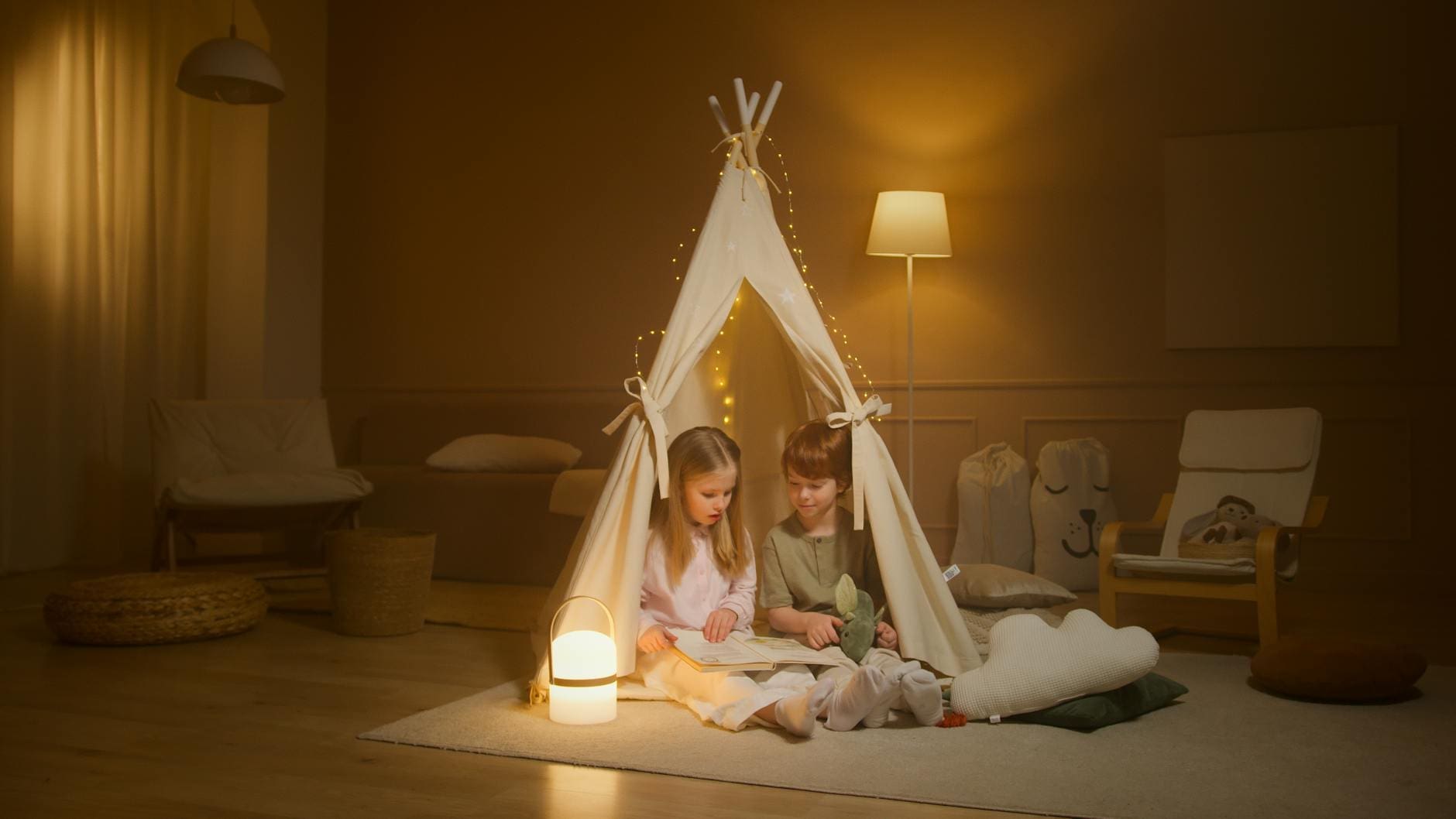
For nurseries, simple projection night lights that cast stars or gentle patterns on the ceiling work beautifully without being overstimulating. Expect to spend $15-35 for quality options. Tabletop models shaped like moons, clouds, or animals add a decorative touch while serving their practical purpose—these typically run $20-50.
Older kids often prefer character-themed lights or designs that match their interests, whether that’s dinosaurs, unicorns, or space themes. These range from budget-friendly $10-15 plug-ins to $40-75 statement pieces that double as room decor. Just remember that your soccer-obsessed six-year-old might have different interests by age eight, so consider how long a themed light will stay relevant.
For shared rooms or kids who are sensitive to light, motion-sensor lights provide illumination only when needed—perfect for midnight bathroom trips without disturbing sleep. These smart options typically cost $25-60 but can be worth it for light-sensitive sleepers.
Power Sources and Practical Considerations
Think about your room layout and daily routines when choosing between power sources. Plug-in models ($8-30) are reliable and never need charging, but they tie up an outlet and limit placement options. They work well if you have available outlets near the door or in hallways.
Rechargeable night lights ($20-50) offer flexibility—you can place them anywhere and they’re portable for travel or moving between rooms. Most hold a charge for several nights, though you’ll need to remember to recharge them regularly. Battery-operated options ($10-35) provide similar flexibility but mean ongoing battery costs.
Some higher-end models ($50-100) include timers, remote controls, or smart home integration. These features might seem unnecessary, but if you’d rather dim the light from your phone than tiptoe into a room with a sleeping child, they’re worth considering.
Choosing the right night light really comes down to matching features with your specific situation. A cool-to-touch LED with adjustable brightness covers the basics for most families, while special features like motion sensors or timers solve particular problems. Start with safety and appropriate brightness, then let your child’s age, room setup, and budget guide you toward options that’ll actually get used night after night. Your well-rested future self will thank you.
Shopping for a dresser for your child’s room feels different than buying one for yourself. You’re not just thinking about today—you’re wondering if it’ll survive the toddler years, hold up through elementary school, and maybe even make it to the teenage bedroom. The good news? With the right approach, you can find a dresser that […]
You’ve found the perfect bed frame, but now your old dresser looks completely out of place. Or maybe you’re starting fresh and wondering whether you need to buy a matching bedroom set. The truth is, coordinating your dresser and bed frame isn’t about finding exact matches—it’s about creating visual harmony through smart choices about style, […]
Adding a dresser to your walk-in closet can transform it from a simple hanging space into a fully functional dressing room. But unlike choosing a dresser for your bedroom, closet dressers have different requirements—they need to fit within existing dimensions, complement built-in systems, and maximize storage without creating obstacles. Whether you’re designing a new closet […]