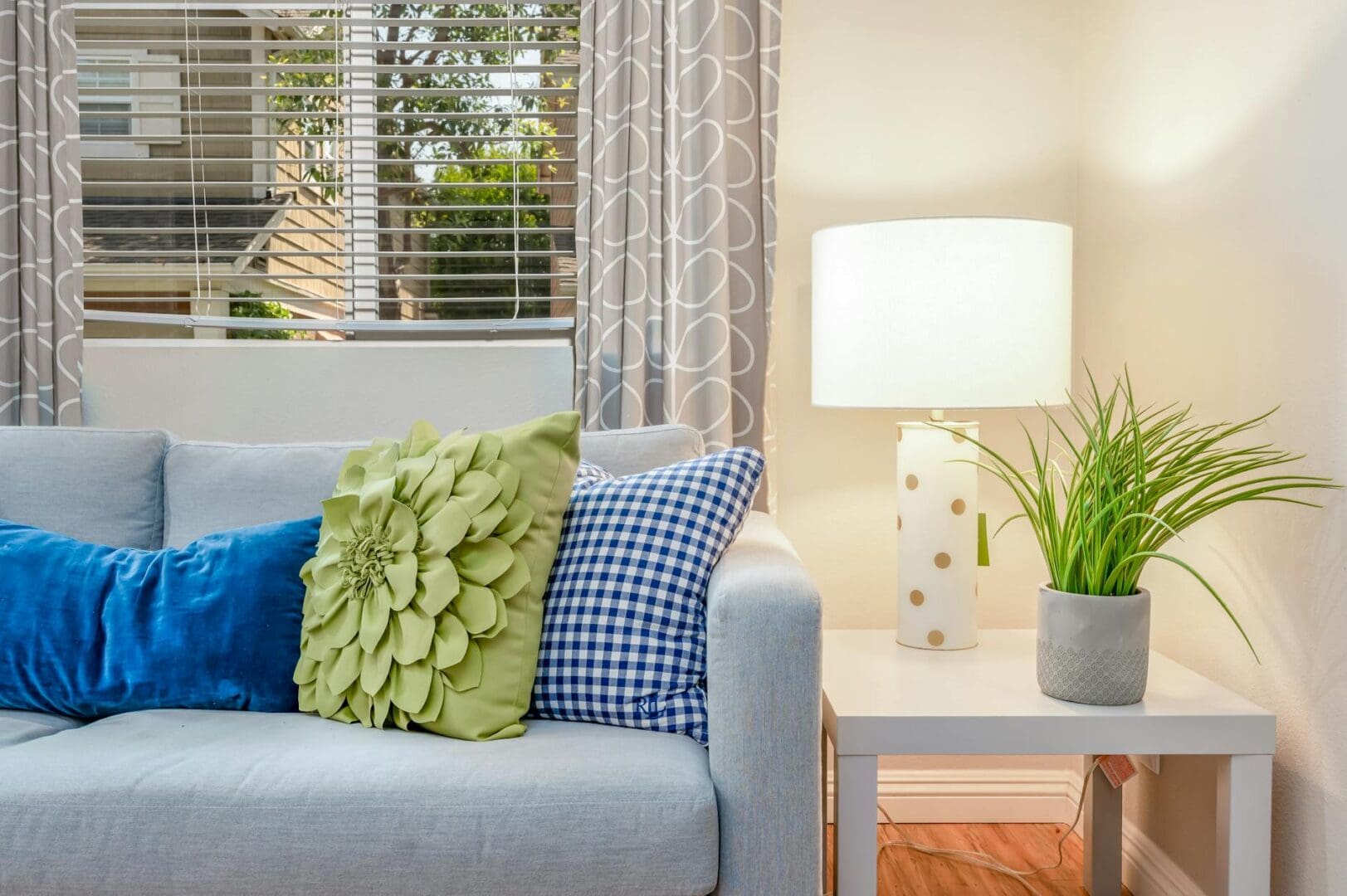
That bare side table in your living room is practically begging for a lamp, but choosing the right one feels trickier than it should. Too tall and it looks awkward, too small and it disappears, wrong style and it clashes with everything you’ve worked so hard to pull together. A table lamp isn’t just about light—it’s a functional piece that anchors your space and sets the mood for the entire room.
Getting the Height and Scale Right
The most common mistake? Choosing a lamp that’s completely out of proportion with your furniture. When you’re seated on your sofa, the bottom of the lampshade should sit roughly at eye level—typically between 58 and 64 inches from the floor. This means your lamp itself should usually be 26 to 34 inches tall, depending on your side table height.
Your lamp should also relate properly to the table it sits on. A good rule of thumb: the lamp base should be no more than one-third the width of the table. So if you have an 18-inch wide side table, look for lamps with bases around 6 inches or less. The lamp and shade together shouldn’t overwhelm the table—you still want room for a coaster, book, or small decorative object.
If your side table sits between two chairs or at the end of a sectional, consider how the lamp looks from multiple angles. A lamp that’s too tall will block sightlines across the room, while one that’s too short won’t provide adequate reading light.
Matching Your Style and Existing Decor
Your lamp should feel like it belongs in your space, not like it wandered in from someone else’s home. Traditional rooms pair beautifully with ceramic or brass lamps with classic urn shapes and fabric shades. Modern spaces call for clean-lined bases in materials like brushed nickel, concrete, or wood with geometric shades. Transitional rooms—which is most of us—have the most flexibility and can work with everything from glass cylinder bases to sculptural ceramics.
Color matters more than you might think. Neutral lamp bases (white, cream, gray, black, natural wood) are safest and most versatile, letting you swap out other decor without replacing the lamp. But a lamp in a bolder color or pattern can serve as an accent piece that pulls in colors from your rug, artwork, or pillows.
Don’t feel pressured to match your lamps exactly if you have two side tables. In fact, using two different—but complementary—lamps often looks more collected and intentional than a matchy-matchy approach. Just keep the heights and visual weight similar.
Understanding Light Output and Functionality
Think about what you actually do in this spot. If you read in that chair, you need at least 400 lumens (roughly a 40-50 watt equivalent LED bulb) and a shade that directs light downward. If the lamp is purely ambient, a lower wattage works fine. Many people underestimate their lighting needs and end up with a pretty lamp that doesn’t provide enough actual light.
Look for three-way switches that let you adjust brightness levels—they’re incredibly useful for transitioning from daytime to evening. USB ports built into the base have become standard on mid-range lamps ($80-$200) and add real convenience if you charge devices nearby. Touch-sensitive or dimmer switches offer even more control but typically bump you into the $150+ range.
Shade material dramatically affects light quality. White or cream fabric shades diffuse warm, flattering light throughout the room. Opaque shades direct all light up and down, creating more dramatic pools of light. Translucent colored shades will tint your light—beautiful for ambiance, less ideal for task lighting.
Budget Considerations That Actually Matter
You can find perfectly serviceable table lamps starting around $40-$60, though they’ll typically have simpler bases and less durable switches. These work fine for low-traffic spots or if you like changing your decor frequently.
The $100-$200 range is the sweet spot for most living rooms. You’ll get better materials, sturdier construction, useful features like three-way switches or USB ports, and designs with more visual interest. These lamps should last you 5-10 years easily.
Above $200, you’re paying for designer names, premium materials like hand-blown glass or solid brass, and statement-making designs. Worth it if this lamp will be a focal point in your room, but not necessary for everyone.
When you’ve found a lamp that’s the right height for your furniture, matches your style without fighting your existing decor, provides the light you actually need, and fits your budget, you’ve found the one. Your living room side table will finally feel complete, and you’ll wonder why you waited so long to make it happen.
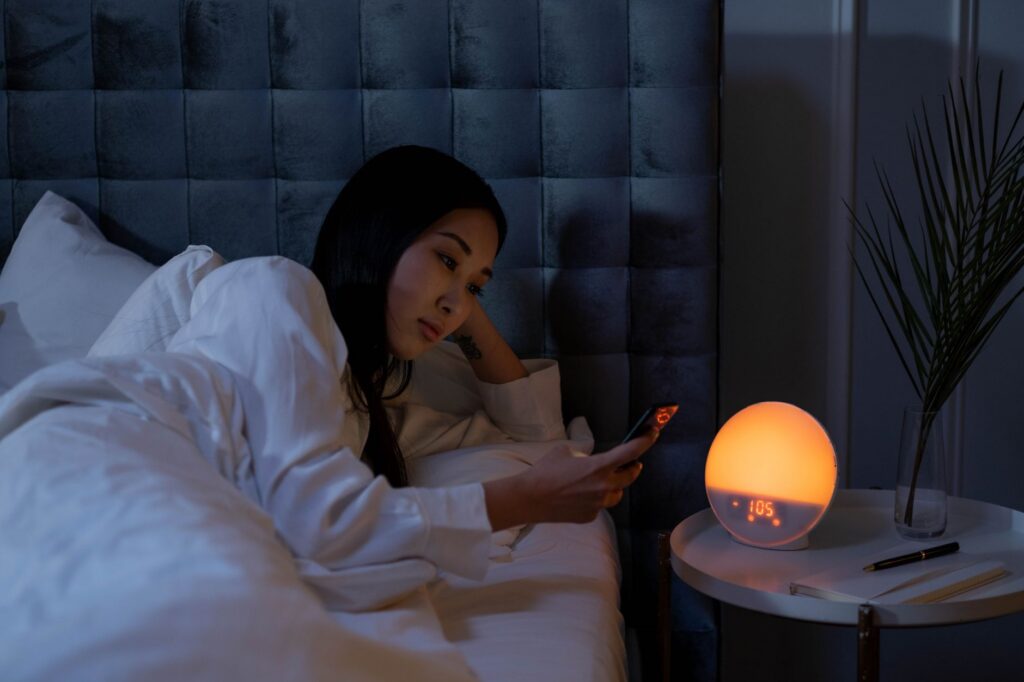
If you’ve been hitting snooze repeatedly or dragging yourself out of bed feeling groggy, you’re not alone. Waking up to a jarring alarm in a dark room works against your body’s natural rhythms, especially during winter months. A sunrise alarm clock mimics natural dawn, gradually filling your room with light to ease you awake. But […]
Waking up at 3 a.m. with a sweaty neck and flipping your pillow to the cool side for the fourth time isn’t just annoying—it’s robbing you of quality sleep. If you’re a hot sleeper, your pillow might be trapping heat against your head and neck all night long. The good news? The right cooling pillow […]
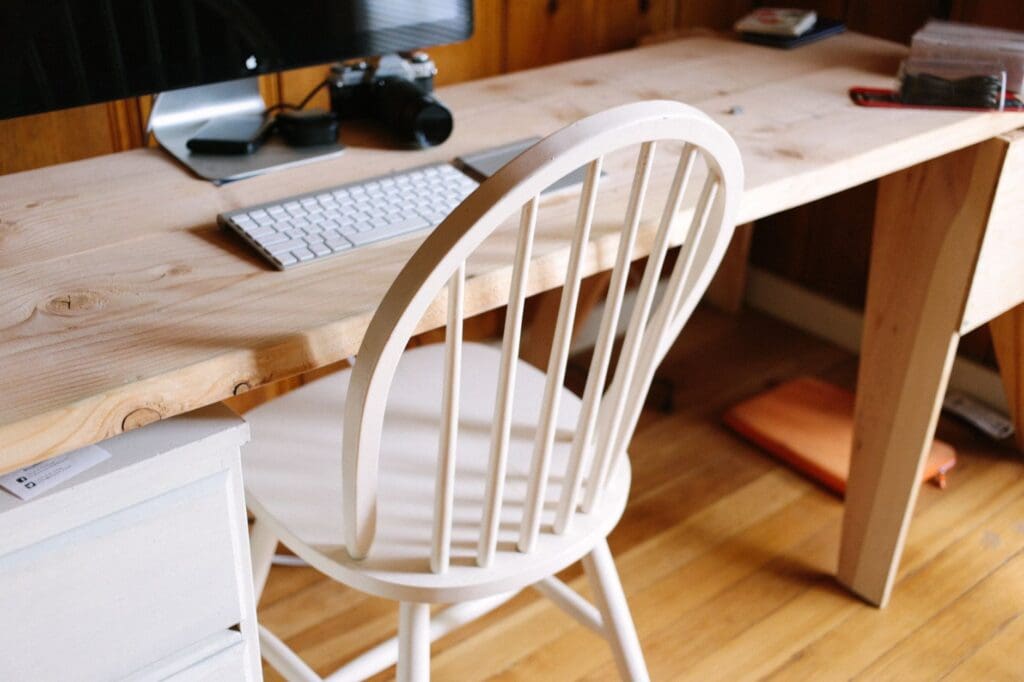
If you’re working from home or spending hours at your desk, you’ve probably noticed that not all chairs are created equal. That bargain office chair seemed fine at first, but now your back aches by mid-afternoon. You’ve been eyeing ergonomic chairs, but with price tags that can run three to ten times higher than regular […]