Shopping for a kids dresser can feel tricky. Buy something too whimsical, and it’ll look out of place in three years. Go too juvenile, and you’re back shopping when they hit middle school. The good news? With a little planning, you can choose a dresser that works beautifully from toddler years through high school and beyond.
Size Matters More Than You Think
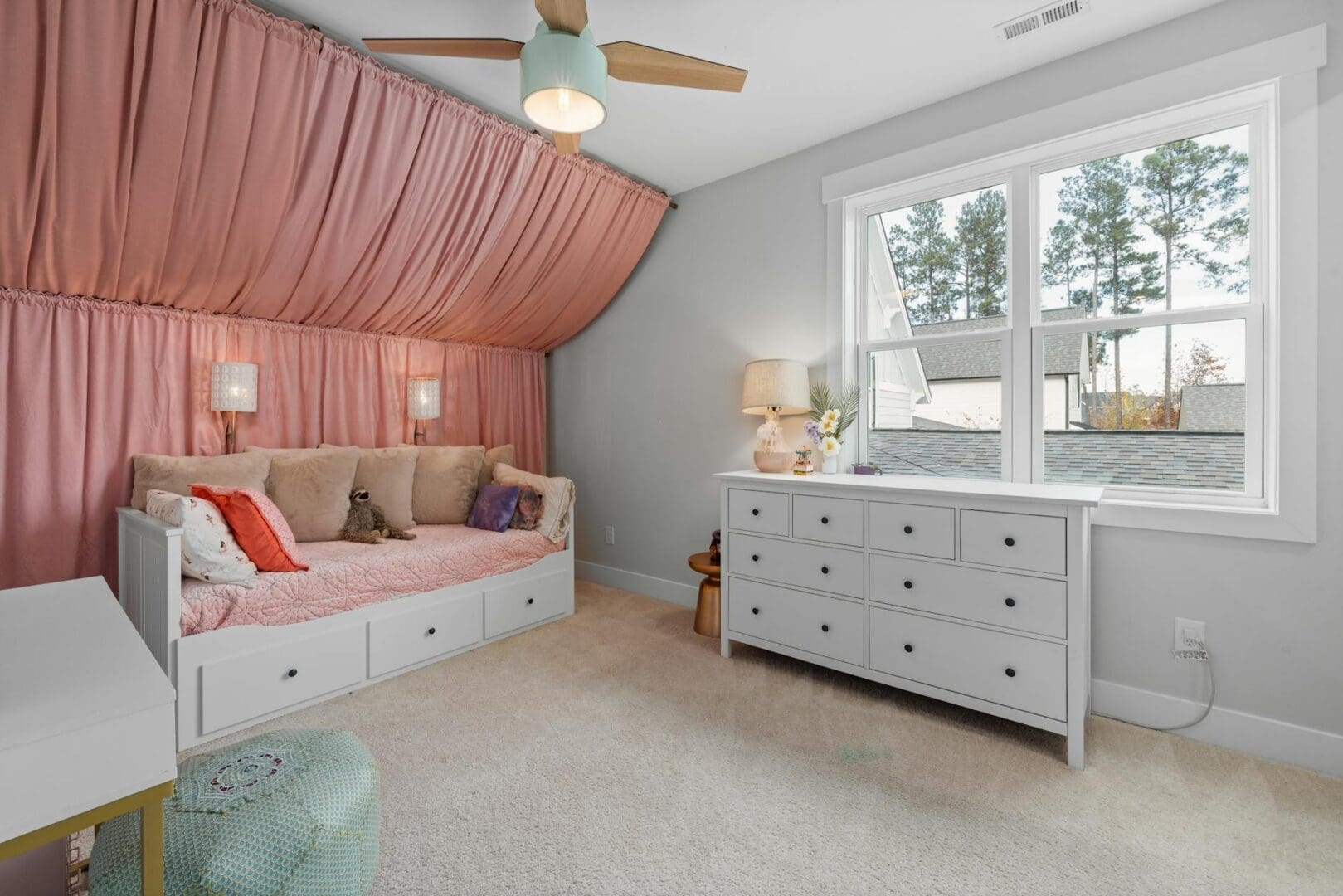
The right dresser size depends on both your space and your timeline. A standard 6-drawer dresser (around 30-36 inches wide) offers enough storage for most kids from preschool through their teens. If you’re furnishing a nursery, consider that a changing table topper can transform any wide dresser temporarily, then be removed as your child grows.
Height is equally important. Dressers around 30-40 inches tall let young children reach their top drawers with a step stool, building independence. Avoid tall, narrow dressers in kids’ rooms—they’re tipping hazards and don’t offer the wide, stable surface that’s useful for displaying books, lamps, and treasures as kids get older.
For shared rooms, two 4-drawer dressers often work better than one large piece. Budget options start around $150-200 per dresser, while solid wood versions run $400-700 each.
Choose Timeless Styles Over Trendy Themes
Here’s where most parents get stuck. Those adorable cartoon-themed dressers look perfect now, but your seven-year-old will tell you exactly what they think about them. Instead, look for classic designs in simple silhouettes.
Mid-century modern dressers with tapered legs and clean lines transition beautifully through different life stages. Traditional styles with simple hardware work equally well—just swap the knobs later if you want a fresh look. Shaker-style dressers with flat-panel drawer fronts are practically bulletproof design-wise.
Color-wise, white, gray, natural wood, and navy are your friends. They coordinate with changing decor tastes without screaming “kids furniture.” If your child wants personality, let them add it through removable elements like drawer pulls, wall art, and bedding. A mid-range dresser in a neutral finish typically costs $300-500, while splurge-worthy solid wood options run $600-1,200.
Material and Construction for the Long Haul
Kids are hard on furniture, so construction quality matters. Look for dressers with dovetail drawer joints—where the drawer front and sides interlock like puzzle pieces. This joinery holds up to years of slamming significantly better than stapled or glued drawers.
Solid wood dressers last longest and can be refinished if needed, making them true investment pieces. Good options include oak, maple, and birch. If solid wood stretches your budget, look for a combination of solid wood frames with plywood (not particleboard) drawer boxes and backs. These hybrid pieces offer decent longevity at mid-range prices.
Check that drawers glide smoothly—either on wood runners for budget options or metal glides for better performance. Soft-close drawer glides are worth the upgrade if available; they prevent pinched fingers and reduce wear from slamming.
Avoid dressers made entirely from particleboard or MDF. They’re affordable initially ($100-200), but drawer fronts sag and surfaces chip easily. They rarely survive more than a few years of kid use.
Safety and Practical Features
Every kids dresser should be anchored to the wall with the included anti-tip kit, no exceptions. Beyond that, look for features that enhance both safety and usefulness.
Drawers that can’t be pulled out completely prevent accidents and the frustration of drawer-behind-dresser retrievals. Rounded corners are gentler on shins in tight spaces. If you’re buying for a younger child, dressers with bottom drawers that sit an inch or two off the floor prevent toe-stubbing and make cleaning underneath easier.
Consider storage versatility too. Dressers with a mix of shallow and deep drawers adapt better as needs change—shallow for baby clothes and school supplies, deep for bulky sweaters and sports equipment later. Some dressers include a file drawer or removable dividers, which become surprisingly useful for organizing art supplies, charging cables, and homework.
The right kids dresser is one your child can use from preschool through high school and possibly take to their first apartment. By focusing on quality construction, timeless design, and appropriate size, you’re making a choice that serves your family for years to come. Look for pieces that balance durability with a style that won’t feel dated, and remember that neutral doesn’t mean boring—it means adaptable.
Shopping for a dresser for your child’s room feels different than buying one for yourself. You’re not just thinking about today—you’re wondering if it’ll survive the toddler years, hold up through elementary school, and maybe even make it to the teenage bedroom. The good news? With the right approach, you can find a dresser that […]
You’ve found the perfect bed frame, but now your old dresser looks completely out of place. Or maybe you’re starting fresh and wondering whether you need to buy a matching bedroom set. The truth is, coordinating your dresser and bed frame isn’t about finding exact matches—it’s about creating visual harmony through smart choices about style, […]
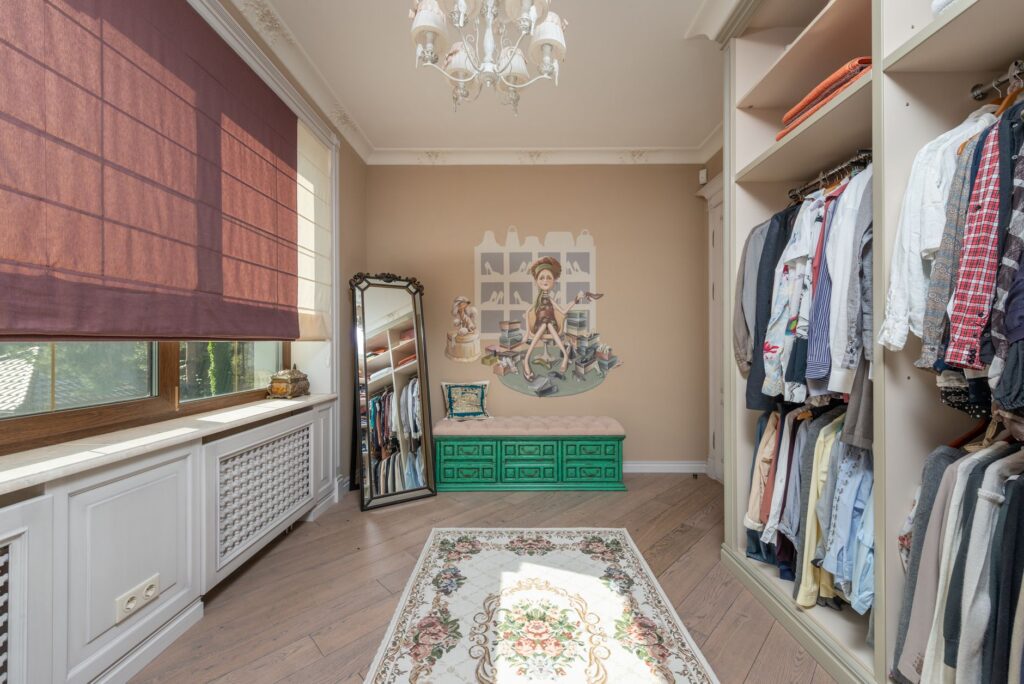
Adding a dresser to your walk-in closet can transform it from a simple hanging space into a fully functional dressing room. But unlike choosing a dresser for your bedroom, closet dressers have different requirements—they need to fit within existing dimensions, complement built-in systems, and maximize storage without creating obstacles. Whether you’re designing a new closet […]