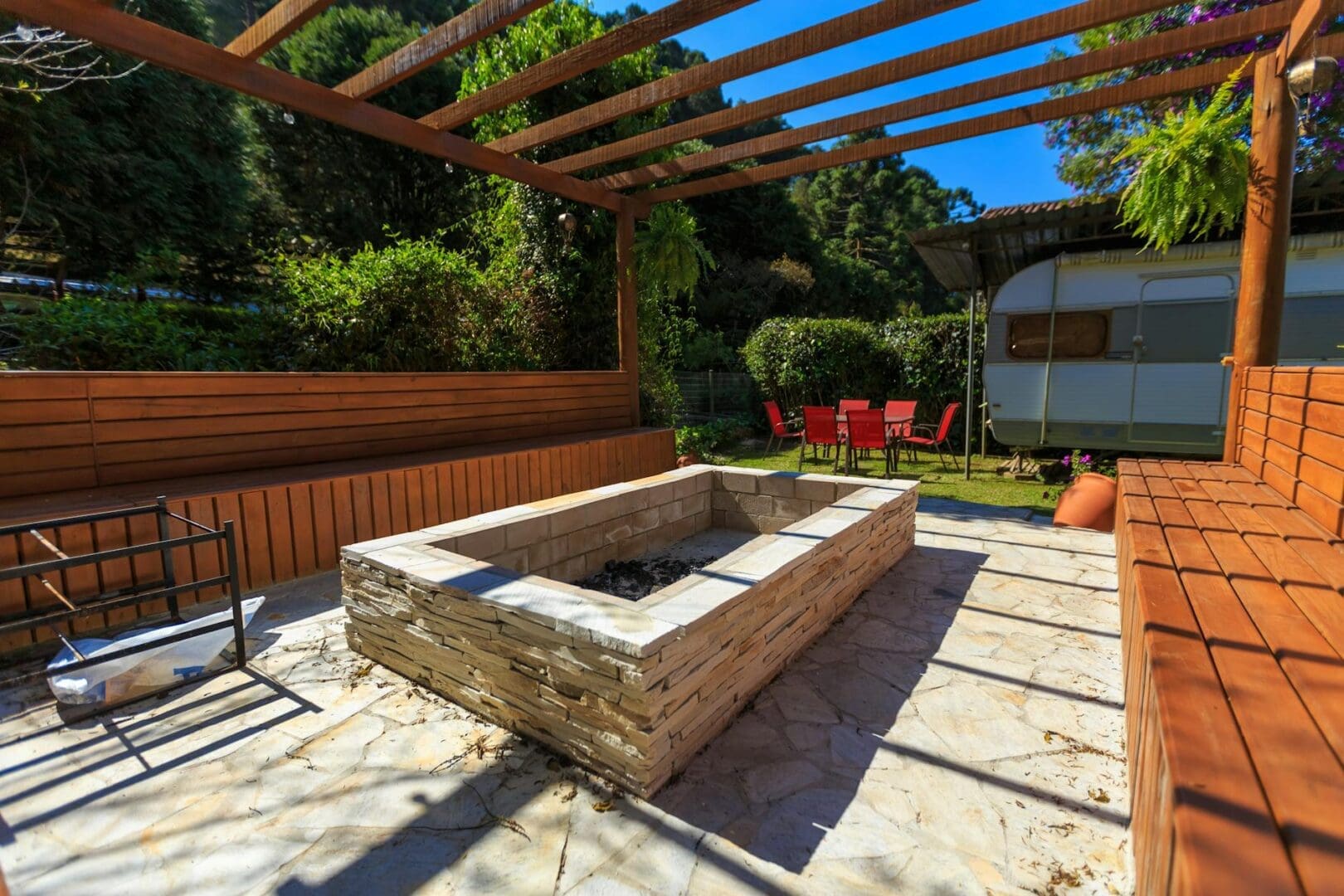
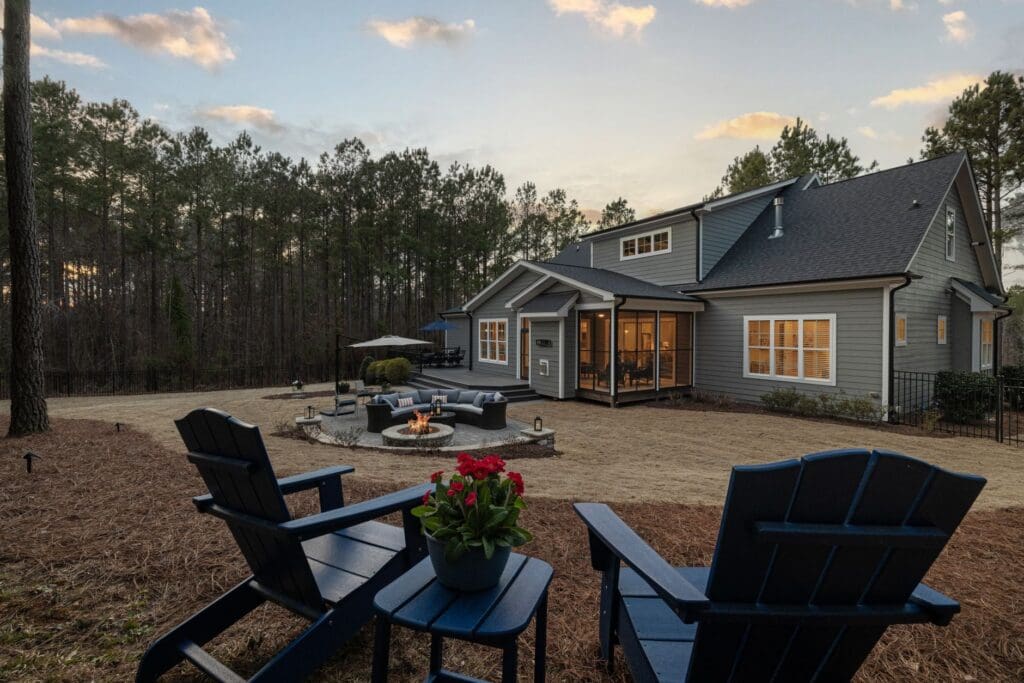
There’s something magical about gathering around a fire pit on a cool evening, but choosing between gas and wood can feel surprisingly complicated. Both create a beautiful focal point for your outdoor space, yet they offer completely different experiences. Understanding what matters most to you—whether it’s convenience, ambiance, or long-term costs—will make your decision much easier.
Convenience and Ease of Use
Gas fire pits are the clear winner if you prioritize simplicity. With a flip of a switch or push of a button, you have instant flames at a consistent height. There’s no need to gather kindling, no waiting for logs to catch, and no worrying about whether you have enough dry wood on hand. This makes gas fire pits perfect for spontaneous gatherings or for those who want a fire feature without the work.
Wood-burning fire pits require more effort, plain and simple. You’ll need to source and store firewood, build the fire, tend to it throughout the evening, and dispose of ashes afterward. But for many homeowners, this ritual is part of the appeal. If you enjoy the process of fire-building and don’t mind the hands-on approach, a wood fire pit can be deeply satisfying. Just make sure you have adequate storage space for firewood and a place to let ashes cool safely.
Ambiance and Sensory Experience
Wood fire pits deliver an authentic campfire experience that gas simply can’t replicate. The crackling sounds, the woodsmoke aroma, and the dancing, unpredictable flames create a multisensory atmosphere that many people find irreplaceable. There’s also something primal and cozy about watching real logs burn down to glowing embers.
Gas fire pits offer beautiful flames, but they’re quieter and produce no smoke or scent. For some, this is a major advantage—especially if you or your guests are sensitive to smoke, or if you live in a neighborhood where smoke might drift into nearby homes. Modern gas fire pits often use fire glass, lava rocks, or ceramic logs to create visual interest, and while they look polished and elegant, they won’t give you that rustic campfire feel. Consider what kind of atmosphere you’re trying to create in your outdoor space.
Operating Costs and Installation
The upfront cost varies widely based on size and materials, but gas fire pits generally start around $300 for basic models and can exceed $2,000 for built-in units with premium finishes. You’ll also need either a natural gas line installed (which requires professional work, typically $500-$1,500) or a propane tank setup. Natural gas offers unlimited runtime but requires permanent installation, while propane tanks are portable but need regular refilling at $15-$25 per tank.
Wood-burning fire pits are typically less expensive upfront, with simple bowl-style models starting around $100 and high-end options reaching $800-$1,200. Installation is usually straightforward—just place it on a fireproof surface and you’re ready to go. Firewood costs vary by region but expect to pay $150-$300 per cord (which can last a season depending on usage). The ongoing cost is often lower than gas if you have access to affordable firewood or free wood from your property.
Maintenance and Local Regulations
Gas fire pits need occasional burner cleaning and annual inspections to check for gas leaks, but overall maintenance is minimal. Wood fire pits require regular ash removal, more frequent cleaning to prevent rust and buildup, and periodic checks for structural integrity if you have a metal bowl or ring.
Before committing to either option, check your local regulations. Some municipalities restrict or ban wood-burning fire pits due to air quality concerns, especially during certain seasons. Gas fire pits face fewer restrictions but may still require permits, particularly for natural gas installations. HOA rules can also dictate what’s allowed, so verify before you buy.
Your choice ultimately depends on your lifestyle and priorities. If you want hassle-free evenings with instant ambiance and minimal cleanup, a gas fire pit is probably your best match. If you’re drawn to the authentic experience and don’t mind the extra work, a wood-burning pit will give you that genuine outdoor gathering spot you’re imagining. Either way, you’ll have a warm, inviting centerpiece that extends your outdoor living season and creates countless memorable evenings with family and friends.
You’ve fallen for the classic look of Adirondack chairs, but now you’re stuck at the fork in the road: traditional wood or modern poly? It’s not just about aesthetics—this decision affects how much time you’ll spend on maintenance, how long your chairs will last, and whether you’ll be repainting in two years or still enjoying […]
There’s something wonderfully ironic about the Adirondack chair’s origin story. Back in 1903, Thomas Lee was vacationing in Westport, New York, frustrated by the lack of comfortable outdoor seating that could handle the sloped terrain of his property. So he built a wide-backed, slatted chair with a reclined seat—and accidentally created an icon. Today, you’ll […]
Nothing pulls together a patio quite like an outdoor rug—it defines your seating area, adds comfort underfoot, and makes the whole space feel more intentional. But get the size wrong, and it can look like a bath mat floating in the middle of your deck or a carpet that swallows your furniture whole. The good […]