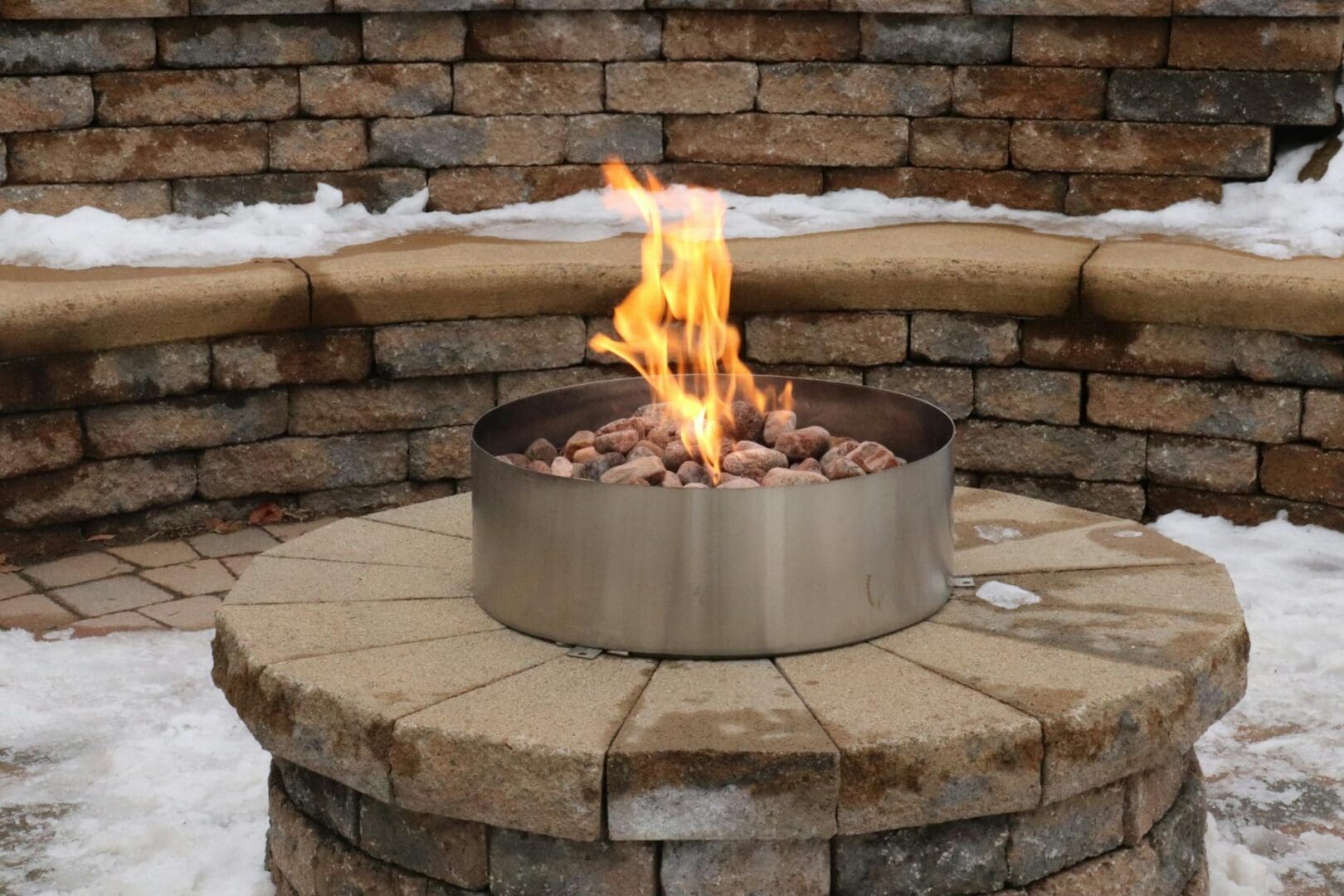
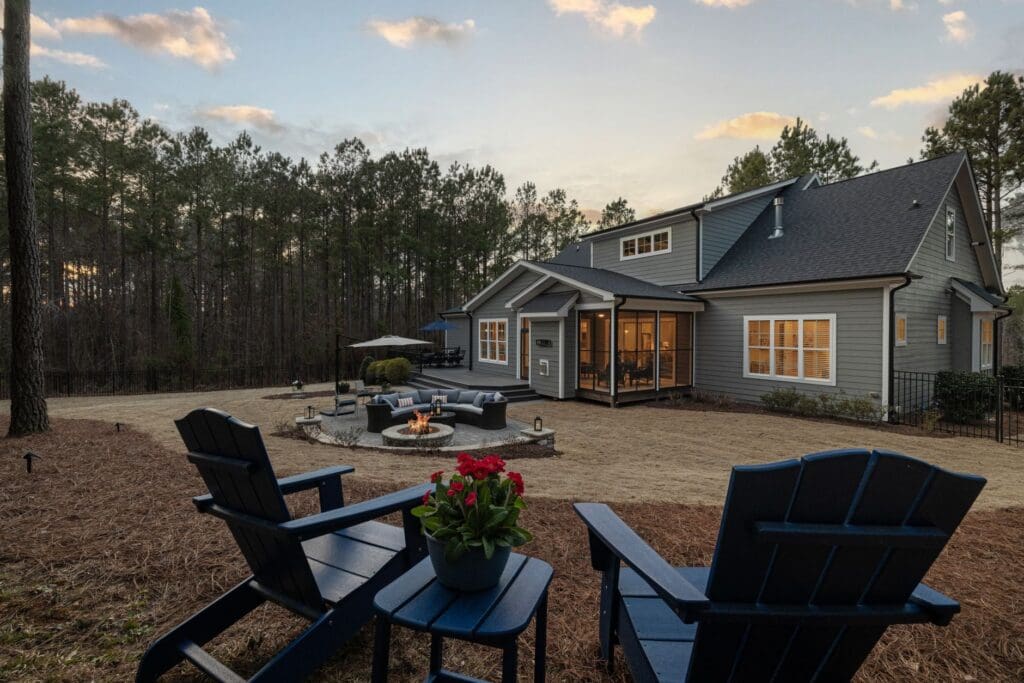
A fire pit can transform even the coziest patio into an inviting gathering spot, but when you’re working with limited square footage, choosing the wrong one means sacrificing precious space or creating a cramped, uncomfortable setup. The good news? Plenty of fire pits are designed specifically for smaller outdoor areas, and with a few smart considerations, you can enjoy flickering flames without overwhelming your patio.
Size and Scale Matter More Than You Think
The biggest mistake small-patio owners make is choosing a fire pit that’s too large for their space. A good rule of thumb is to allow at least 3 feet of clearance around all sides of your fire pit for both safety and comfort. Measure your patio carefully before shopping, and don’t forget to account for seating.
For compact patios, look for fire pits between 24 and 30 inches in diameter—these provide enough warmth and ambiance without dominating the space. Tabletop fire pits, which typically measure 12 to 18 inches, work beautifully on bistro tables or side tables if you’re really tight on floor space. Square or rectangular models can also be more space-efficient than round ones, especially when tucked into corners or against railings.
Height matters too. Lower-profile fire pits (under 15 inches tall) keep sightlines open and make small spaces feel less cluttered, while still providing warmth at a comfortable level when you’re seated.
Fuel Type: Weighing Your Options
The fuel your fire pit uses affects everything from maintenance to storage to how often you’ll actually use it.
Propane fire pits are incredibly popular for small patios because they’re clean-burning, easy to control, and produce no ash or flying embers. Most use standard 20-pound tanks that tuck underneath or alongside the unit. Budget options start around $150, while designer models with hidden tank storage run $400 to $800.
Natural gas fire pits require a gas line hookup but eliminate tank swaps entirely. They’re a smart choice if you already have a gas line on your patio or don’t mind the installation expense ($500 to $1,500 including the hookup).
Wood-burning fire pits deliver that authentic crackling campfire experience and typically cost less upfront ($100 to $400). However, they require more clearance from structures, create smoke that can bother close neighbors, and need regular ash cleanup. Many small-patio owners find them impractical unless they have excellent ventilation and aren’t surrounded by other units.
Gel fuel and bioethanol fire pits are the most compact options, perfect for balconies or truly tiny spaces. They produce real flames without smoke or odor, though they offer less heat output. Expect to pay $80 to $300.
Material and Style Considerations
The material of your fire pit affects durability, heat retention, and how well it fits your aesthetic.
Steel fire pits are lightweight and affordable, often featuring modern geometric designs that suit contemporary patios. Look for powder-coated finishes to prevent rust. Cast iron retains heat beautifully and lasts for years but weighs significantly more—worth considering if you plan to leave it in place year-round.
Concrete and stone fire pits bring a sophisticated, permanent look and handle weather exceptionally well. They’re heavier and pricier (starting around $400) but read as intentional design elements rather than seasonal accessories.
For small patios, consider how the fire pit looks when it’s not in use, since it’ll likely stay put most of the time. Sleek, simple designs in neutral colors like black, bronze, or stone gray tend to blend better than ornate pieces that can feel overwhelming in tight quarters.
Safety Features and Practical Details
On a small patio, safety becomes even more critical. Look for fire pits with stable, wide bases that won’t tip easily. Mesh screens or tempered glass shields protect against sparks and are especially important if your patio has fabric cushions, umbrellas, or overhangs nearby.
Check that your fire pit includes a flame adjustment control—you don’t always need full heat output, and on a small patio, you’ll appreciate being able to dial it down. Built-in lighters or electronic ignition systems make starting your fire pit effortless, which means you’ll use it more often.
Don’t overlook storage. Some fire pits come with fitted covers that protect them from weather and keep them looking good between uses. Others are light enough to move into a garage or shed during winter.
Choosing a fire pit for a small patio is all about finding the sweet spot between ambiance and practicality. Focus on compact dimensions that leave breathing room, pick a fuel type that matches your lifestyle, and prioritize quality materials that’ll look good year-round. With the right fit, your small patio can deliver all the cozy warmth of a much larger outdoor space.
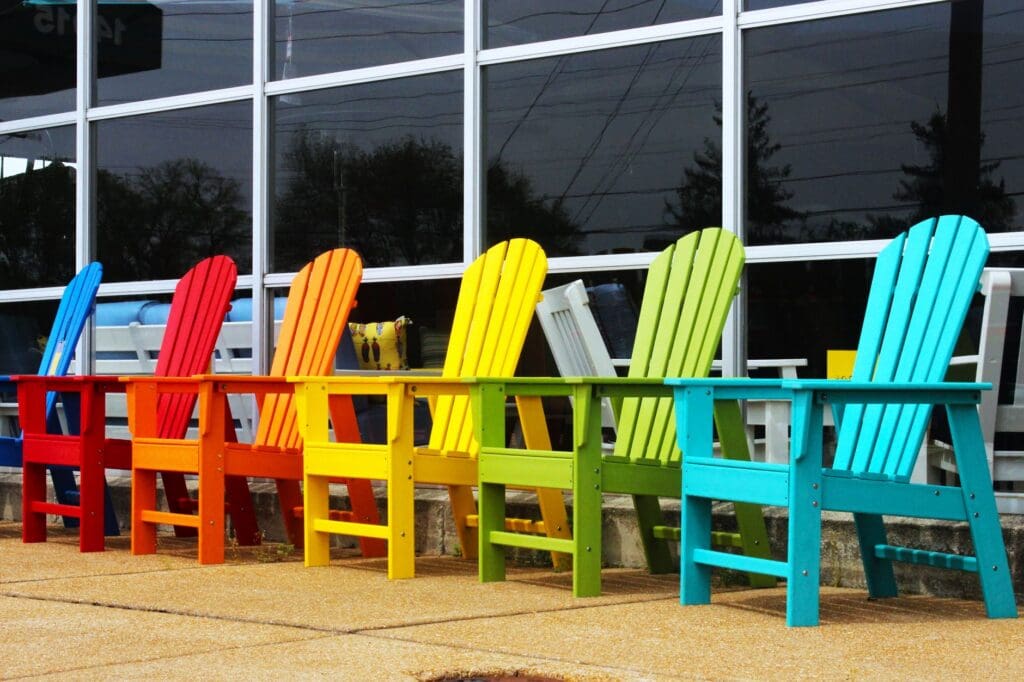
You’ve fallen for the classic look of Adirondack chairs, but now you’re stuck at the fork in the road: traditional wood or modern poly? It’s not just about aesthetics—this decision affects how much time you’ll spend on maintenance, how long your chairs will last, and whether you’ll be repainting in two years or still enjoying […]
There’s something wonderfully ironic about the Adirondack chair’s origin story. Back in 1903, Thomas Lee was vacationing in Westport, New York, frustrated by the lack of comfortable outdoor seating that could handle the sloped terrain of his property. So he built a wide-backed, slatted chair with a reclined seat—and accidentally created an icon. Today, you’ll […]
A dark backyard feels smaller, less usable, and honestly a bit uninviting once the sun goes down. Whether you’re trying to make your outdoor space safer, extend your entertaining hours, or simply discourage unwanted visitors, the right flood lights can completely transform how you use your yard after dark. The challenge is figuring out which […]