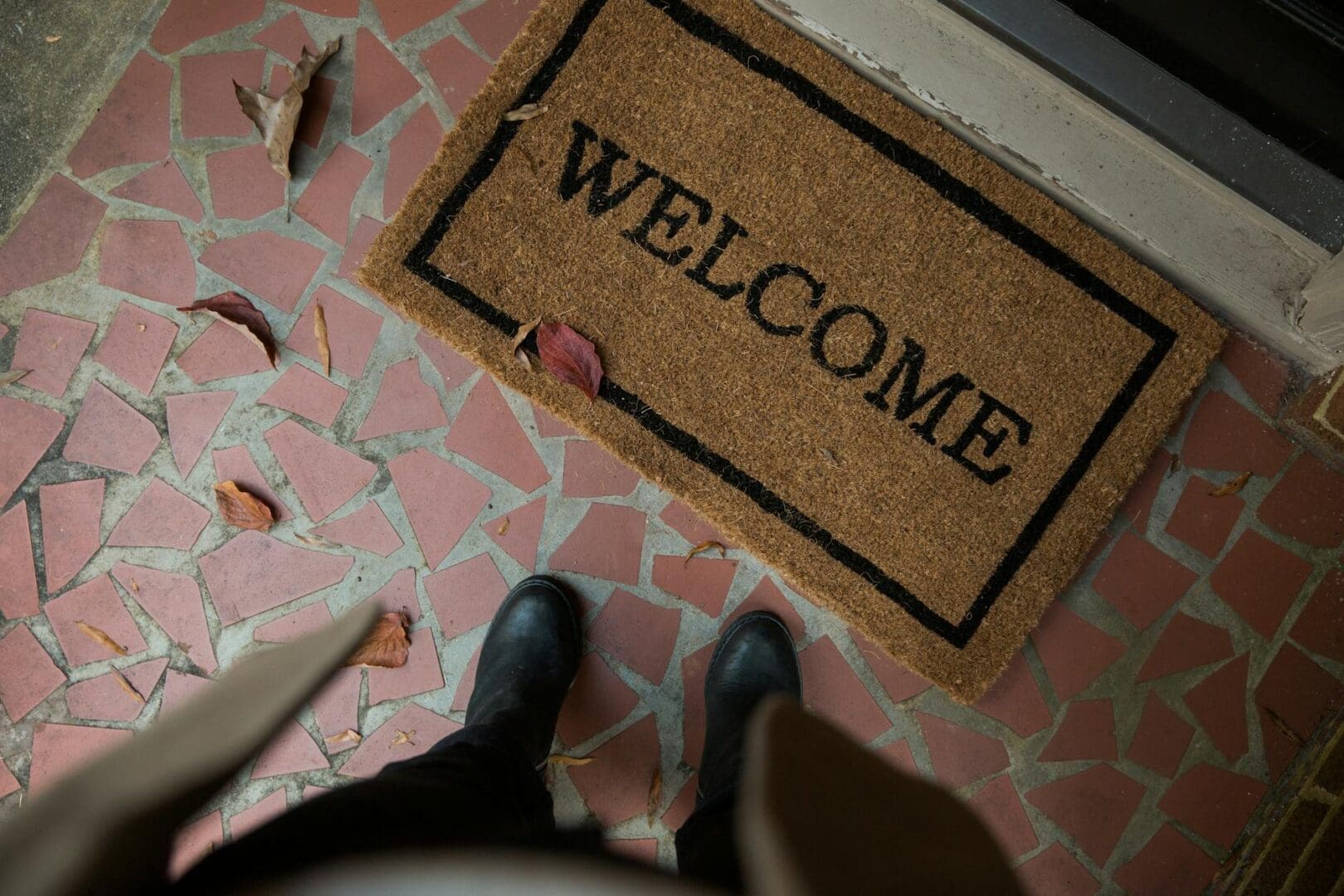
Your entryway takes a beating. Between muddy shoes, wet umbrellas, and the daily parade of people coming and going, it’s easily the hardest-working space in your home. The right rug can protect your floors, trap dirt before it spreads, and still look good six months from now. The wrong one? It’ll show every footprint, mat down in weeks, or slide around dangerously. Here’s how to pick an entryway rug that actually holds up.
Material Matters More Than You Think
Not all rug materials are created equal when it comes to high traffic. Natural fibers like jute and sisal look beautiful but can be rough underfoot and difficult to clean when wet or muddy. For entryways, you want something more forgiving.
Polypropylene and nylon are your workhorses here. They resist stains, dry quickly, and bounce back after heavy foot traffic. Indoor-outdoor rugs made from these materials typically run $50-$150 for a standard 3×5 size and can handle just about anything you throw at them. They’re also incredibly easy to hose down when needed.
Low-pile wool rugs are another solid choice if you’re willing to spend more ($200-$600 for quality options). Wool naturally repels moisture and dirt, plus it’s surprisingly durable. Look for flatweave or low-pile construction rather than plush, shaggy styles that trap debris and show wear patterns quickly.
Rubber-backed mats excel at trapping moisture and dirt but tend to look utilitarian. If function trumps form for you, they’re unbeatable in the $30-$80 range.
Size and Placement Strategy
An undersized entryway rug is essentially useless. You need enough coverage to actually catch dirt from multiple steps, not just a decorative accent that people step around.
For a standard front door, aim for at least 3×5 feet, though 4×6 works better if your space allows. The rug should extend at least 18 inches past the door swing on either side. If you have a double door entry, consider a 5×7 or even larger.
Think about your layout, too. If your door opens inward, make sure the rug doesn’t bunch up underneath it. Some homeowners prefer a runner style (2.5×7 or 2.5×9) for long, narrow entryways or hallways leading from the door.
Layer strategically: a smaller rubber-backed mat directly at the threshold with a larger, more decorative rug beyond it gives you maximum dirt-catching power while maintaining style.
Pattern and Color for Practicality
Light-colored, solid rugs in an entryway are a decision you’ll regret by week two. Even with regular cleaning, they’ll show every muddy footprint and develop traffic patterns that make them look dingy.
Medium to dark colors with patterns are your friends. Geometric designs, stripes, or intricate patterns in navy, charcoal, brown, or multi-colored palettes disguise dirt between cleanings. Busy patterns hide wear patterns better than solid colors or simple designs.
That doesn’t mean you’re stuck with boring brown mats. Plenty of stylish options feature rich jewel tones, modern patterns, or classic Persian-inspired designs that complement your decor while still being practical. The key is having enough visual interest and color variation to mask the inevitable dirt.
Features That Make Maintenance Easier
Beyond material, certain features make living with an entryway rug much easier. A non-slip backing or rug pad underneath is non-negotiable for safety, especially on hardwood or tile floors. Expect to spend an extra $15-$40 on a quality rug pad.
Look for rugs labeled as stain-resistant or treated with protective coatings. Many synthetic options come pre-treated. Machine-washable rugs are game-changers if you can find them in the right size, though most larger entryway rugs will need spot cleaning or professional cleaning.
Low-pile construction (under 0.5 inches) means easier vacuuming and less dirt embedding into fibers. It also prevents that worn-down, matted look that plush rugs develop in high-traffic zones.
Your entryway rug is working overtime to protect your home and floors. Choose something durable enough to handle the traffic, practical enough to hide the dirt, and attractive enough that you don’t cringe every time you walk in the door. Focus on tough materials, adequate size, and forgiving patterns, and you’ll have a rug that still looks good a year from now.
A cramped entryway with shoes scattered everywhere isn’t just frustrating—it’s usually the first thing you and your guests see when walking through the door. The good news? Even the smallest entryway can stay organized with the right shoe rack. The challenge is finding one that actually fits your space without making it feel even more […]
That pile of shoes by the door isn’t going to organize itself, and your coats deserve better than being draped over the nearest chair. A coat rack with built-in shoe storage solves both problems in one piece of furniture, making it perfect for entryways, mudrooms, or even bedroom corners where clutter tends to accumulate. The […]
A cramped entryway doesn’t mean you’re doomed to trip over piles of coats or hunt for misplaced keys every morning. The right coat rack can transform even the tiniest entry into an organized, welcoming space. The challenge is finding one that holds what you need without making your small entryway feel even smaller. Consider Your […]