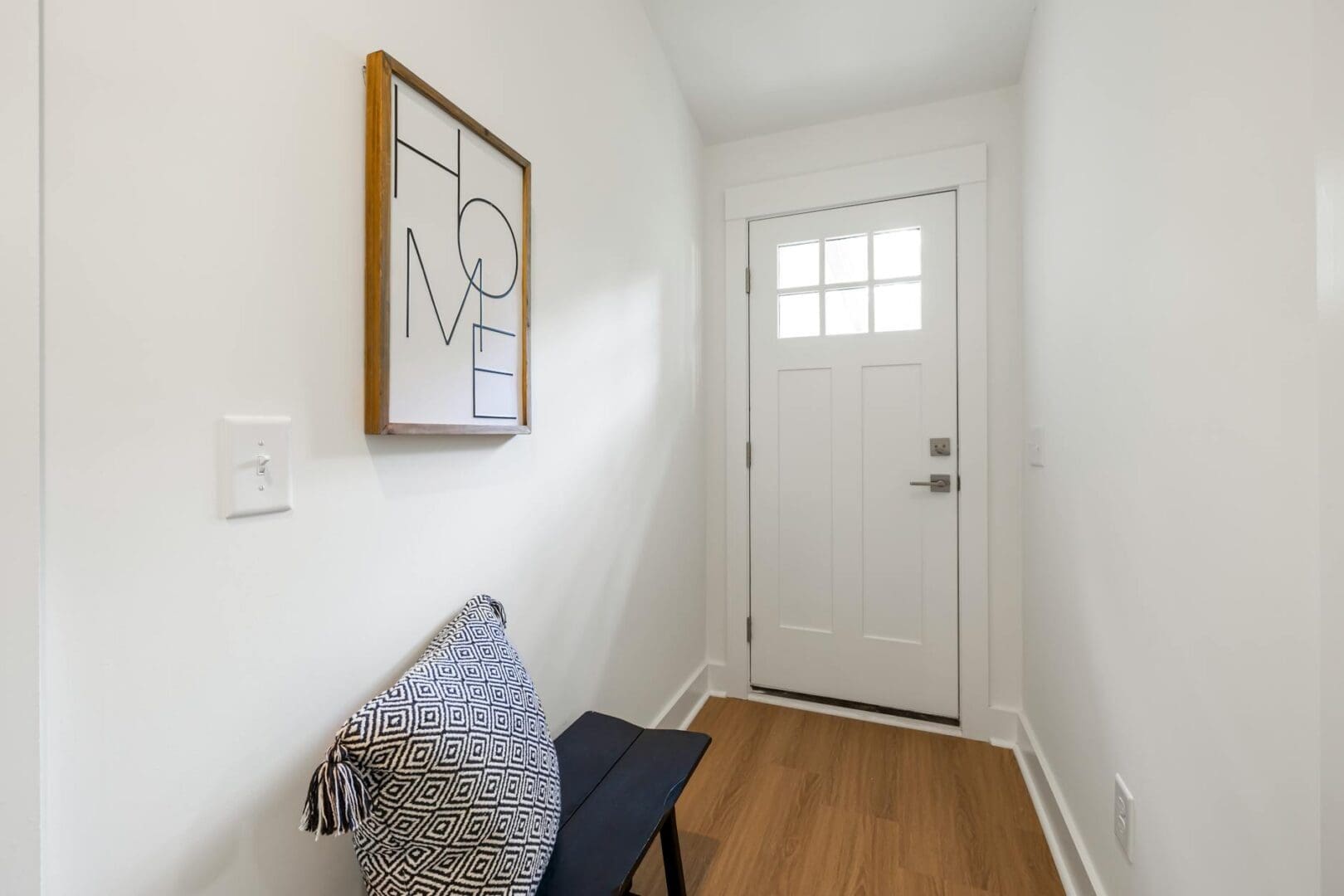
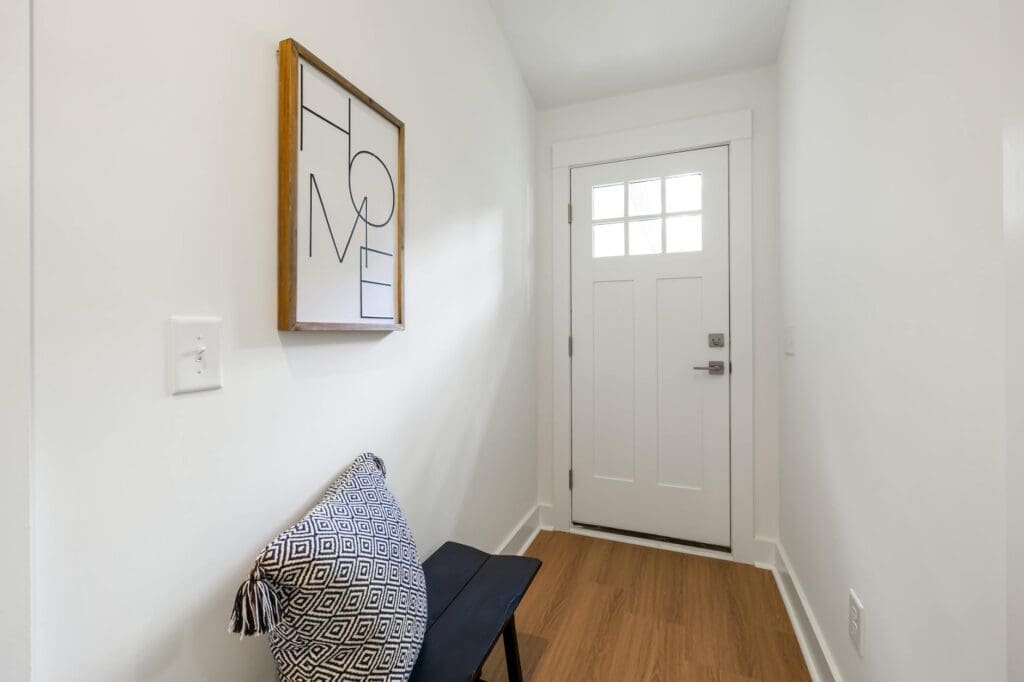
You’ve found the perfect spot for an entryway bench, but now you’re staring at product listings with wildly different heights—some 16 inches, others 24 inches—and wondering which one will actually work in your space. Get this wrong, and you’ll end up with a bench that’s awkward to sit on or impossible to tuck your boots under. Let’s figure out exactly what height you need.
The Standard Entryway Bench Height (and Why It Matters)
Most entryway benches fall between 17 and 19 inches tall, which isn’t random—it’s the sweet spot for comfortable sitting while you tie shoes. This height lets your feet rest flat on the floor while your knees bend at a natural 90-degree angle, making it easy to reach your laces without hunching over.
If you’re buying a bench primarily for seating (not just storage or display), stick close to this range. Standard-height benches work for most adults and older children, and they’re what you’ll find in the $150-$600 range at most furniture retailers. They’re also the easiest to pair with coordinating coat racks and wall hooks, since manufacturers design entryway collections around these proportions.
One important consideration: measure from your floor to the seat surface, not to the top of any cushion or decorative element. That cushion might compress by an inch or two once you sit down, especially if it’s plush.
When to Choose a Lower Bench (14-16 Inches)
Lower benches work beautifully in specific situations, even though they’re less common. If you have young children who struggle to climb onto standard-height seating, a 14-16 inch bench gives them independence when putting on shoes. These lower options also create a more relaxed, lounge-like feel in contemporary or minimalist entryways where you want furniture to hug the ground.
The tradeoff? Adults might find them less comfortable for extended sitting, and you’ll need to bend further to reach your shoes. Low-profile benches also limit your storage options underneath—you might squeeze in flat shoe trays, but forget about storing boots upright beneath the seat.
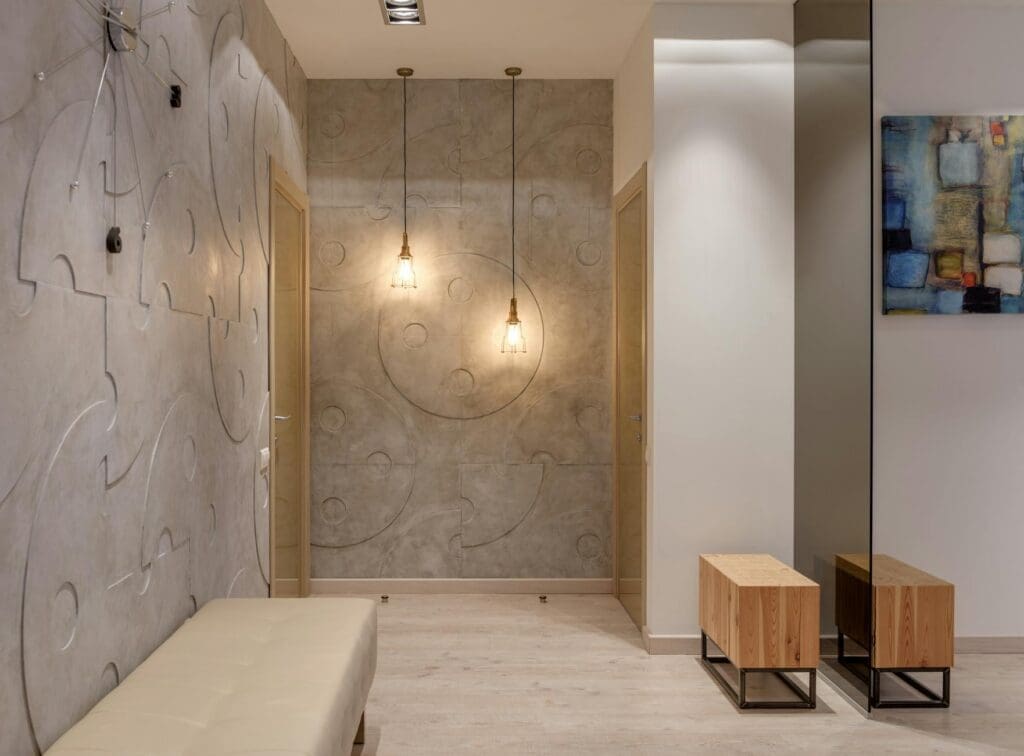
You’ll typically find low benches in modern designs, often upholstered, ranging from $120-$400. They’re particularly popular in small apartments where lower furniture helps the space feel more open.
Taller Benches and Storage Considerations (20-24 Inches)
Benches above 20 inches tall cross into counter-stool territory, and they serve different purposes than standard seating. These taller options work well when you want significant storage underneath—cubbies for tall boots, large baskets, or multiple shoe shelves. Some homeowners prefer them for perching briefly while slipping on shoes, rather than sitting fully.
A 22-24 inch bench also makes sense if you’re matching it to other furniture pieces, like a console table at a similar height. Just know that most people will find these less comfortable for actually sitting and taking time to lace up boots. Your feet might dangle, which gets uncomfortable quickly.
Storage benches in this height range typically cost $200-$800, depending on how many cubbies or drawers they include. They’re workhorses in busy family mudrooms where you need to stash a lot of gear in a compact footprint.
Measuring Your Space and Testing Before You Buy
Before you commit to any height, try this: sit on a dining chair and measure from the floor to the top of the seat. Most dining chairs are 18-19 inches tall. If that feels comfortable, you’re safe with standard-height benches. If you prefer sitting lower or higher, adjust accordingly.
Also consider what you’re storing underneath. Measure your tallest boots and add 2-3 inches of clearance—that’s your minimum bench height if you want open storage below. If you’re placing the bench over a heating vent or return, make sure there’s enough clearance for proper airflow (usually 3-4 inches minimum).
The right entryway bench height depends on how you’ll actually use it. For most people putting on shoes daily, that 17-19 inch standard height delivers the best combination of comfortable seating and practical storage space underneath. Once you know what height works for your household and your storage needs, you can focus on finding a style that makes your entryway feel welcoming the moment you walk in.
A cramped entryway with shoes scattered everywhere isn’t just frustrating—it’s usually the first thing you and your guests see when walking through the door. The good news? Even the smallest entryway can stay organized with the right shoe rack. The challenge is finding one that actually fits your space without making it feel even more […]
Your entryway deserves better than a pile of shoes and jackets on the floor, but quality entryway benches can easily run $300 to $800 or more. The good news? Building your own bench is more approachable than you might think, and you can create something functional and stylish for a fraction of the retail price. […]
If you’re tired of tripping over shoes the moment you walk through the door, a shoe bench with storage might be exactly what your entryway needs. These hardworking pieces combine seating with hidden or open storage, giving you a comfortable spot to put on shoes while keeping them organized and out of sight. But with […]