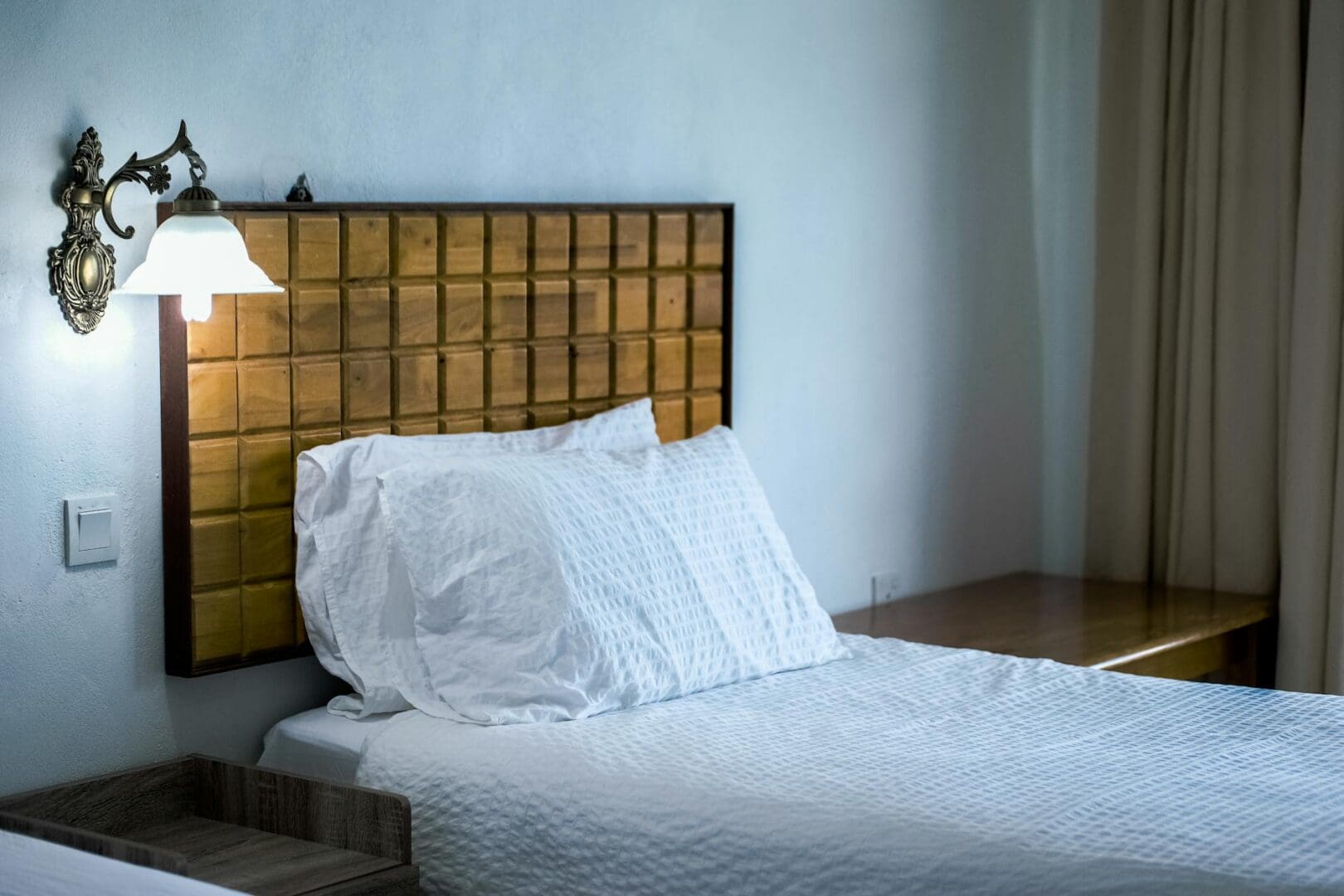
There’s nothing worse than waking up at 3 a.m. drenched in sweat, kicking off your covers in frustration. If you’re a hot sleeper—or just dealing with summer heat—your sheets can make or break your sleep quality. The good news? The right sheets really can help regulate your temperature through the night. Here’s what actually matters when you’re shopping for cooling sheets.
Material Makes the Biggest Difference
Not all fabrics are created equal when it comes to temperature regulation. Natural fibers tend to outperform synthetics because they’re more breathable and better at wicking moisture away from your skin.
Linen is the gold standard for hot sleepers. It’s highly breathable, gets softer with every wash, and has a relaxed, lived-in look. Expect to pay $100-$150 for a quality queen set, or $200+ for premium European linen. The initial stiffness turns off some buyers, but if you can get past that first month, linen devotees swear nothing else compares.
Cotton percale is your best bet if you want crisp, cool sheets with a smooth finish. The plain weave creates a matte surface that feels noticeably cooler than sateen. Look for 100% long-staple cotton (Egyptian or Pima) with a thread count between 200-400. Budget sets start around $50-$80, while luxury percale can run $150-$300.
Bamboo and Tencel (lyocell) sheets have gained popularity for their silky feel and moisture-wicking properties. They’re softer than percale but cooler than sateen, making them a nice middle ground. Quality sets typically range from $80-$200. Just verify you’re getting actual bamboo lyocell, not bamboo rayon, which doesn’t perform quite as well.
Weave and Thread Count Matter More Than You Think
Even the right material won’t keep you cool if the weave is wrong. The weave determines how much air can circulate through the fabric.
Percale weave is your cooling friend—it’s a simple one-over, one-under pattern that maximizes breathability. It feels crisp and cool to the touch, almost like a freshly ironed button-down shirt.
Sateen weave, on the other hand, traps more heat. That buttery-soft, lustrous finish comes from a denser weave that blocks airflow. If you sleep hot, skip the sateen no matter how tempting that silky feel might be.
As for thread count, ignore the marketing hype about “1000-thread-count luxury.” For cooling sheets, you actually want a lower thread count—between 200 and 400. Higher thread counts create denser fabric that traps heat and reduces breathability. A 300-thread-count percale will sleep cooler than an 800-thread-count sateen every time.
Look for These Cooling Features
Beyond basic material and weave, certain features can enhance cooling performance:
Moisture-wicking finishes: Some manufacturers treat sheets with technology that actively pulls moisture away from your body. These work especially well for night sweats.
Lightweight construction: Sheets labeled as “lightweight” or with a GSM (grams per square meter) under 150 will feel cooler and less clingy.
Light colors: This might seem superficial, but lighter colors genuinely sleep cooler than dark ones, especially if any sunlight hits your bed during the day.
Deep pockets with elastic all around: Not cooling-specific, but sheets that slip off mid-night will definitely disrupt your sleep. Look for pockets at least 15 inches deep with elastic on all four corners.
What to Skip
Save yourself some money and frustration by avoiding these common mistakes. Microfiber and polyester sheets might be budget-friendly at $20-$40 per set, but they trap heat and moisture like nobody’s business. Jersey knit sheets feel cozy initially but sleep hot and tend to pill quickly. And those “cooling gel-infused” gimmicks? The effect usually fades after a few washes—you’re better off investing in quality material instead.
Finding sheets that actually keep you cool comes down to choosing breathable natural fibers, the right weave, and realistic thread counts. Percale cotton and linen consistently deliver the best results, though bamboo lyocell offers a softer alternative. Yes, quality cooling sheets cost more upfront—usually $80-$200 for a good set—but better sleep and sheets that last for years make them worth every penny. Your 3 a.m. self will thank you.
You need more storage in your living room, but a bulky bookcase feels too heavy and floating shelves aren’t cutting it. A credenza might be exactly what you’re looking for—it’s that low-profile cabinet that gives you tons of hidden storage while creating a beautiful surface for lamps, plants, and the things you actually want to […]
If you’ve been hitting snooze repeatedly or dragging yourself out of bed feeling groggy, you’re not alone. Waking up to a jarring alarm in a dark room works against your body’s natural rhythms, especially during winter months. A sunrise alarm clock mimics natural dawn, gradually filling your room with light to ease you awake. But […]
Waking up at 3 a.m. with a sweaty neck and flipping your pillow to the cool side for the fourth time isn’t just annoying—it’s robbing you of quality sleep. If you’re a hot sleeper, your pillow might be trapping heat against your head and neck all night long. The good news? The right cooling pillow […]