You know the scenario: guests are coming over, and suddenly your carefully arranged seating feels two chairs short. Or maybe you’re just tired of dragging folding chairs from the garage every time you host. A good bench solves this problem beautifully—it slides under windows, tucks against walls, and steps up when you need it. But not every bench makes comfortable seating, and choosing the wrong one means it’ll gather coats and mail instead of people.
Getting the Height and Size Right
The biggest mistake people make is treating all benches like they’re created equal. If you want a bench that actually functions as seating, height matters more than anything else. Look for benches between 17 and 19 inches tall—this matches standard chair height and lets people sit comfortably at tables or in conversation circles.
Length depends on where you’ll use it. A 48-inch bench comfortably seats two adults or three kids. Go up to 60 inches if you want guaranteed space for three grown-ups without anyone feeling squished. For tight spaces like entryways or bedroom foot-of-beds, a 36 to 42-inch bench works better and still accommodates two people when needed.
Depth matters too, especially for longer sitting sessions. Benches under 14 inches deep work fine for quick perching—think entryways where people sit to remove shoes. But if you’re using this for dinner parties or game nights, look for 16 to 18 inches of depth so people can actually settle in without their knees hanging off.
Comfort Features That Make the Difference
A bare wooden bench might look gorgeous, but after fifteen minutes, your guests will be eyeing the floor cushions. If you want people to actually sit on your bench for more than a hot minute, consider these comfort upgrades:
Upholstered seats transform any bench from decorative to genuinely usable. Even a thin layer of padding helps.
Backless designs work fine for dining tables where people can lean back against the wall, but they’re tough for open-space seating.
Benches with slight seat contours or waterfall edges (where the front curves down gently) reduce pressure on the backs of thighs.
Removable cushions give you options—keep them on for extended sitting, remove them when you want a sleeker look.
Budget-friendly benches typically run $150 to $300 and feature basic padding or wood seats. Mid-range options ($300 to $600) offer better cushioning, quality fabrics, and sturdier frames. Splurge-worthy benches ($600+) bring you premium upholstery, hardwood construction, and details like nailhead trim or channel tufting.
Matching Style Without Overthinking It
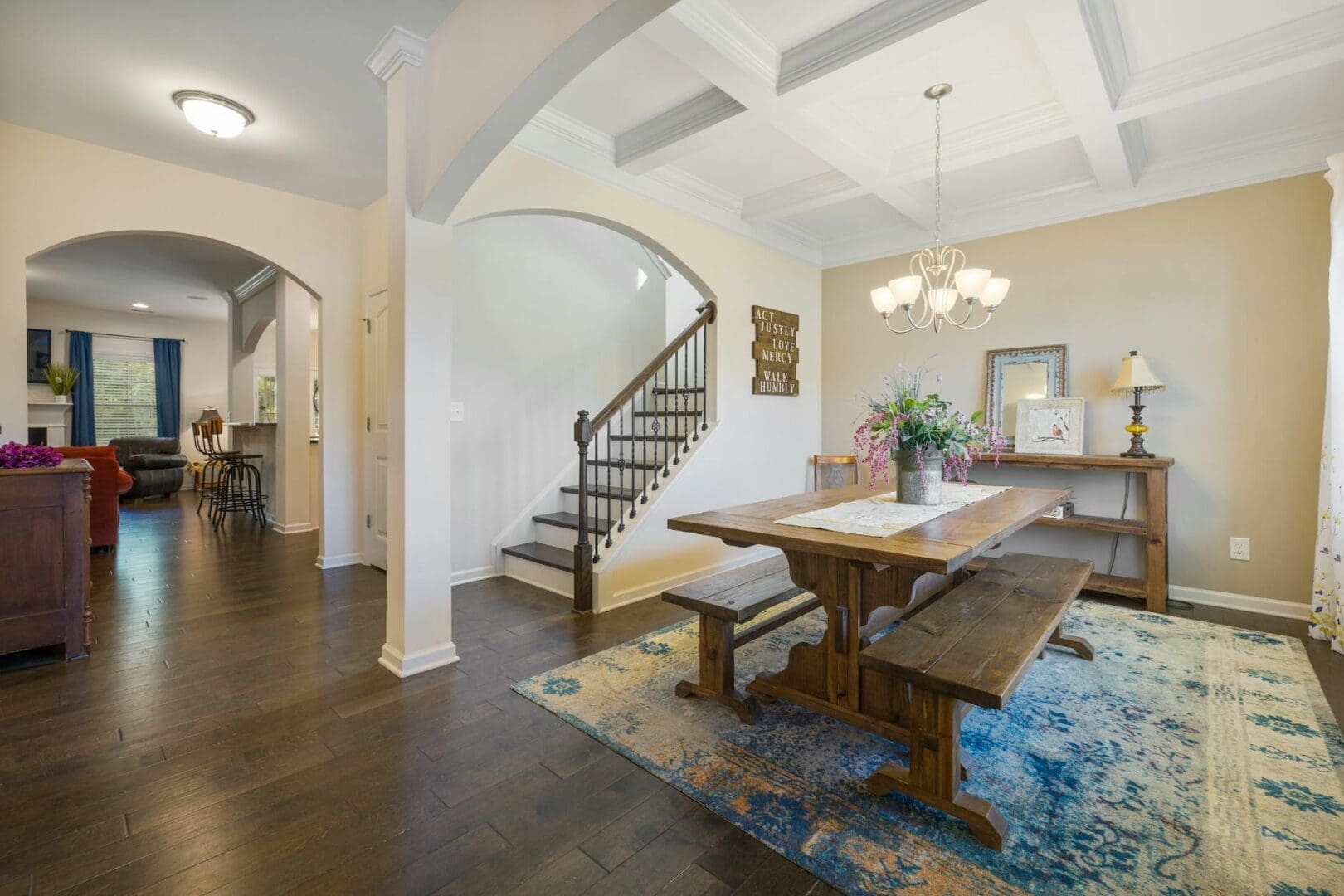
Here’s the good news: benches are weirdly forgiving when it comes to mixing styles. A modern bench can work beautifully at a farmhouse table. A vintage wooden bench adds character to a contemporary dining room. The key is picking one element that connects to your existing furniture—maybe it’s the wood tone, the leg style, or the upholstery color.
For dining rooms, consider whether you want your bench to match your chairs or intentionally contrast. Matching creates a cohesive set, while mixing (like pairing upholstered chairs with a wooden bench) adds visual interest and often saves money.
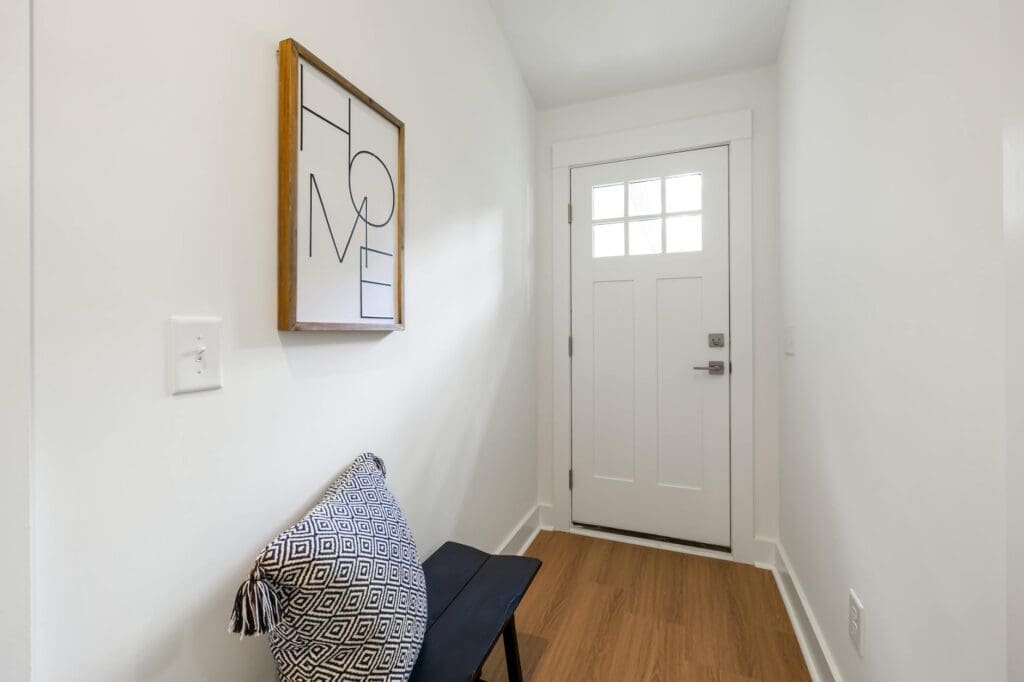
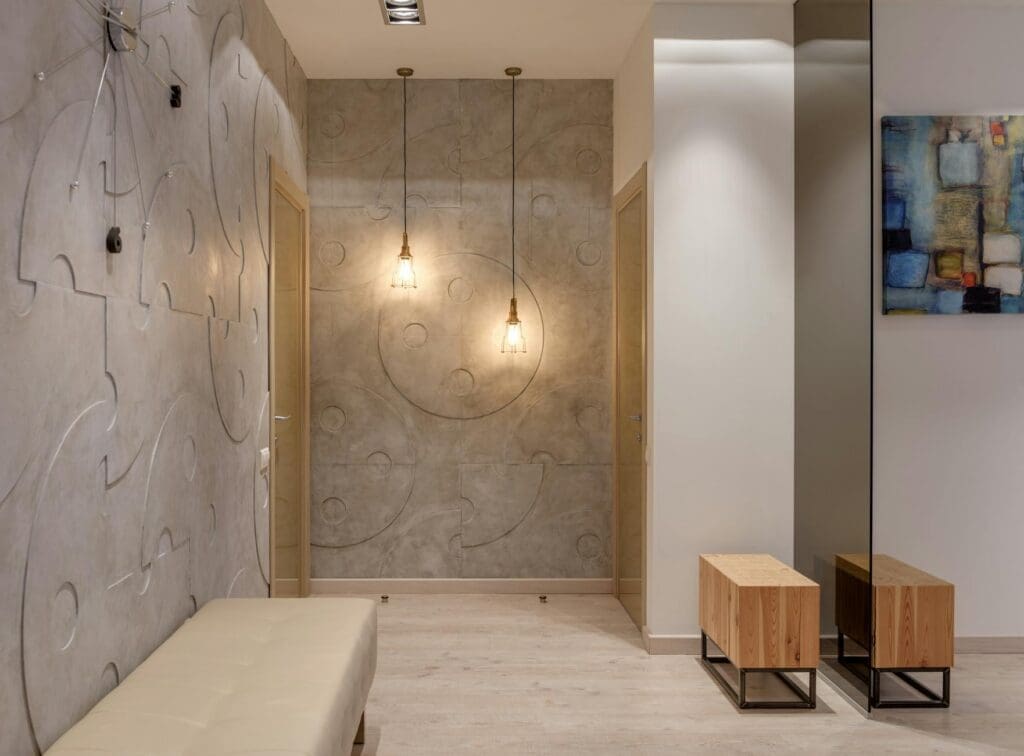
Entryway and living room benches have more freedom since they’re not part of a set. Look for pieces that complement your room’s vibe: sleek metal legs for modern spaces, turned wood legs for traditional rooms, or simple parsons-style for transitional homes. Upholstered benches in neutral fabrics work anywhere, while bold patterns or colors make statement pieces.
Where You’ll Actually Use It
Think beyond just “extra seating” and consider the bench’s daily life. Dining room benches need easy-to-clean surfaces (leather, performance fabrics, or sealed wood) and shouldn’t catch on table legs when you slide them in and out. Entryway benches benefit from storage underneath for shoes or baskets. Living room benches might double as coffee tables, so consider height relative to your sofa.
The best extra seating bench is one that earns its spot in your home even when you don’t have guests. It should look intentional where it lives, whether that’s tucked under a window, anchoring the foot of your bed, or defining your entryway. When company arrives, you’ll pull it into service without it feeling like you scrambled for solutions.
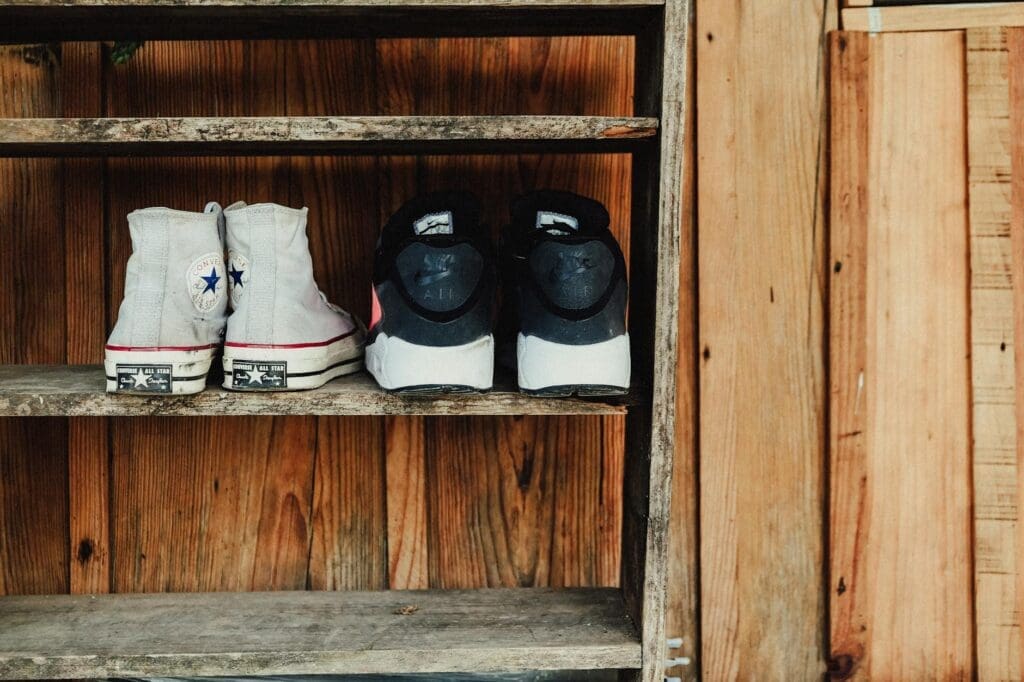
A cramped entryway with shoes scattered everywhere isn’t just frustrating—it’s usually the first thing you and your guests see when walking through the door. The good news? Even the smallest entryway can stay organized with the right shoe rack. The challenge is finding one that actually fits your space without making it feel even more […]
Your entryway deserves better than a pile of shoes and jackets on the floor, but quality entryway benches can easily run $300 to $800 or more. The good news? Building your own bench is more approachable than you might think, and you can create something functional and stylish for a fraction of the retail price. […]
If you’re tired of tripping over shoes the moment you walk through the door, a shoe bench with storage might be exactly what your entryway needs. These hardworking pieces combine seating with hidden or open storage, giving you a comfortable spot to put on shoes while keeping them organized and out of sight. But with […]