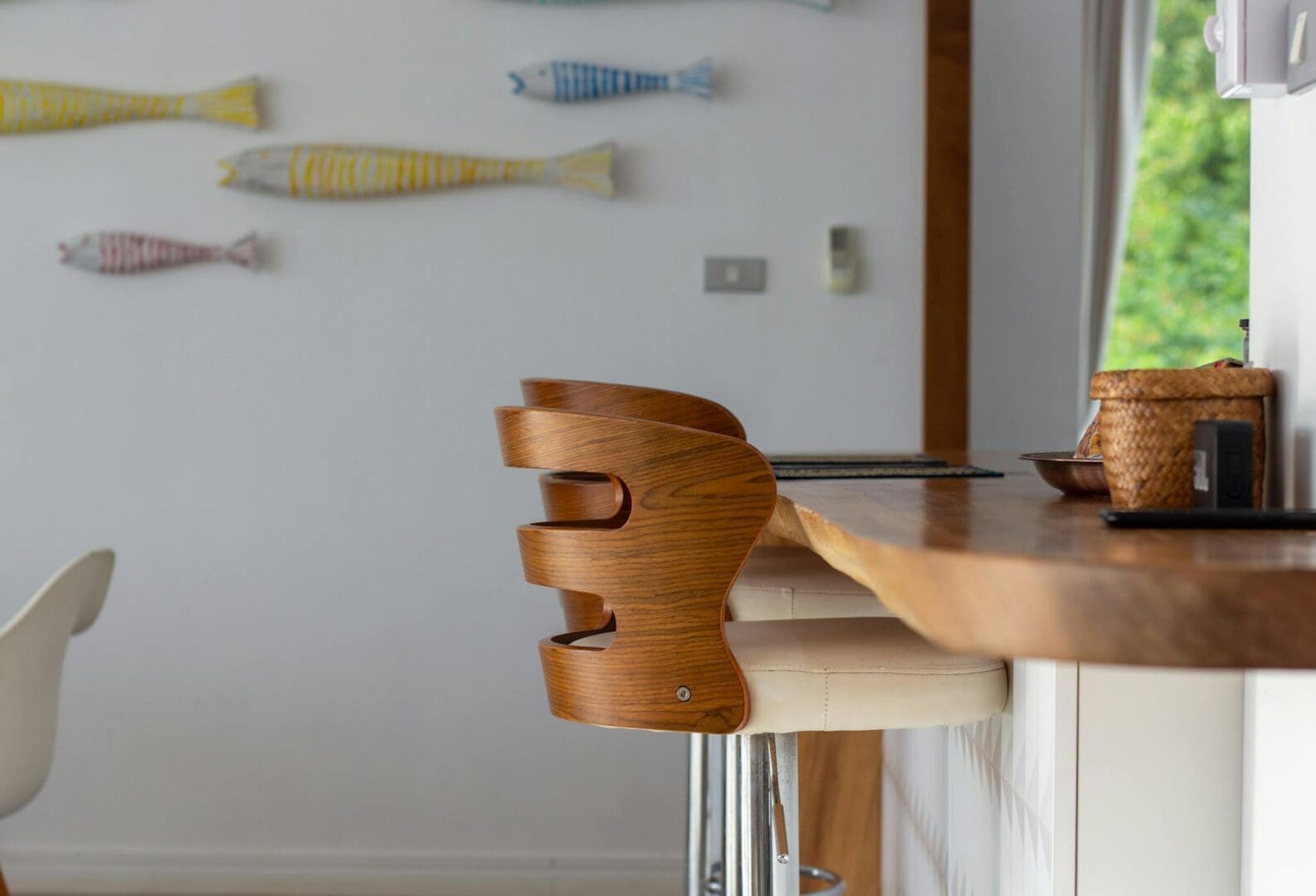
Nothing makes a kitchen island or home bar feel quite as awkward as bar stools that are too tall or too short. You’ve probably experienced it yourself—perching uncomfortably on a stool where your knees hit the counter or your feet dangle helplessly. Getting the height right is the single most important factor when choosing bar stools, and fortunately, it’s not complicated once you know the basic formula.
Understanding Standard Counter Heights
Before you start shopping for stools, you need to know what you’re working with. Kitchen counters and bars typically fall into three standard height categories, and each requires a different stool height.
Standard kitchen counters sit at 36 inches from the floor. For these, you’ll want counter-height stools that measure 24 to 27 inches from floor to seat. Bar-height counters (often found in home bars or pub tables) measure 40 to 42 inches tall and need bar-height stools at 28 to 32 inches. Then there’s the extra-tall category—counters at 44 to 47 inches—which require extra-tall stools measuring 33 to 36 inches to the seat.
The golden rule? You want 10 to 12 inches of clearance between the top of the stool seat and the underside of your counter. This gives you comfortable leg room and makes it easy to pull the stool in and out.
Measuring Your Space Correctly
Grab a tape measure before you fall in love with any particular stool. Measure from the floor to the underside of your counter or bar overhang—not the top surface. Subtract 10 to 12 inches from that measurement, and you’ve got your ideal seat height.
But height isn’t the only measurement that matters. You also need to consider the width and depth of each stool. Plan for 26 to 30 inches of counter space per stool to avoid a cramped seating arrangement. If your stools have arms, you’ll need even more room—sometimes up to 36 inches per stool. And don’t forget to check the clearance behind the stools. You’ll want at least 36 inches of walkway space for people to comfortably slide in and out.
Adjustable-height stools can be a smart solution if you have multiple counter heights in your home or if you’re not completely certain about your measurements. They typically range from about $80 to $300 depending on materials and build quality.
Choosing Between Backless and Backed Stools
Backless stools create a cleaner, more minimalist look and tuck completely under the counter when not in use. They’re perfect for smaller kitchens where you want to maintain sightlines and save space. Expect to pay anywhere from $50 to $200 for quality backless stools in wood or upholstered styles.
Stools with backs offer more support for longer sitting sessions, making them ideal if your counter doubles as a workspace or casual dining spot. Low backs give you some lumbar support without blocking views across the room, while full backs feel more like traditional dining chairs. Backed stools generally start around $100 and can run up to $400 or more for designer styles with premium upholstery.
Consider how you actually use your counter space. Quick breakfast and coffee? Backless works great. Homework station or weekend brunch spot? The back support will be appreciated.
Material and Style Considerations
The material you choose affects both durability and comfort. Wood stools bring warmth and work beautifully in traditional or farmhouse kitchens, with solid hardwood options lasting for decades. Metal stools—particularly steel or aluminum—suit industrial and modern spaces and handle heavy use without complaint.
Upholstered seats add comfort for longer sitting but require more maintenance, especially in homes with kids. Look for performance fabrics or leather that wipes clean easily. Woven rattan or cane brings texture and works wonderfully in coastal or bohemian spaces, though these materials need more careful placement away from high-moisture areas.
Swivel features and footrests aren’t just nice extras—they genuinely improve comfort. A footrest gives you somewhere to rest your feet instead of hooking them awkwardly on the stool legs, and a swivel mechanism makes conversation easier when you’re entertaining.
Getting the right bar stool height transforms your counter from an awkward perch into a genuinely comfortable gathering spot. Measure twice, consider how you’ll actually use the space, and choose a style that balances comfort with your kitchen’s aesthetic. Your back—and your guests—will thank you.
You’ve measured your dining room, you know you need more storage, and now you’re staring at dozens of sideboards wondering: doors or open shelves? It’s not just an aesthetic choice—it affects how you’ll actually use this piece every single day. Let’s walk through what really matters so you can pick the sideboard that works for […]
Did You Know? The Declaration of Independence Was Likely Written in a Windsor Chair As America celebrates 250 years of independence, it’s worth looking at one of the quieter witnesses to that history: the humble Windsor chair. Thomas Jefferson is said to have drafted the Declaration of Independence while seated in an unusual revolving Windsor […]
Shopping for a dining table when you have a family of six means you need something that works for Tuesday night homework sessions, weekend pancake breakfasts, and holiday dinners with grandparents—all without taking over your entire dining room. The right table makes family life easier. The wrong one? You’ll feel it every single day. Let’s […]