There’s something irresistible about a hammock gently swaying in the breeze. Maybe you’re picturing lazy Sunday afternoons with a good book, or finally having that perfect napping spot under the trees. But walk into any outdoor furniture section and you’ll quickly realize hammocks aren’t one-size-fits-all. Different styles, materials, and setups can make the difference between backyard bliss and an uncomfortable disappointment.
Here’s what to consider when choosing a hammock that’ll actually work for your space and lifestyle.
Hammock Styles: More Than Just Rope
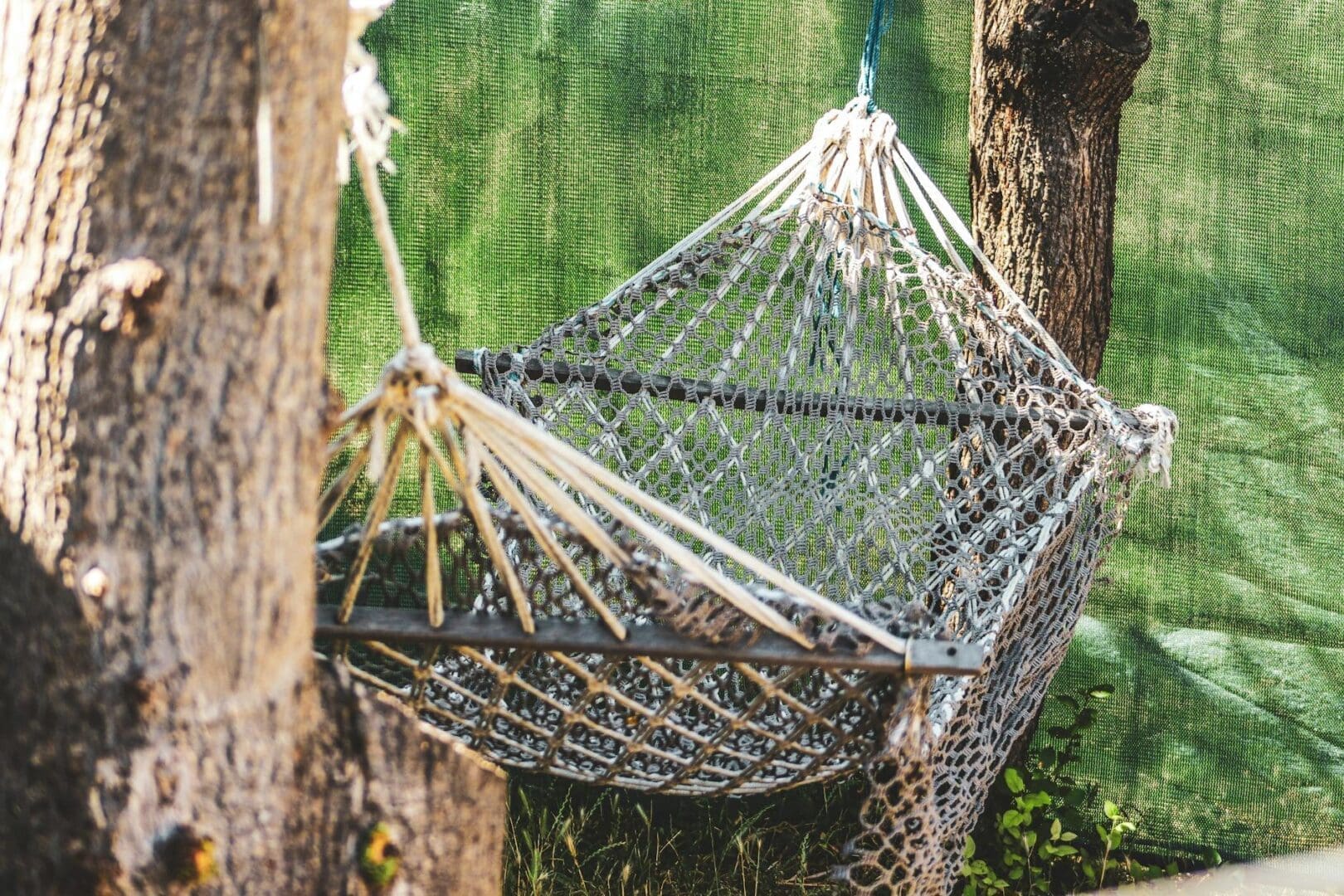
The classic rope hammock might be what comes to mind first, but it’s just one option. Rope hammocks (also called net hammocks) offer excellent breathability and that traditional look, though the gaps can feel uncomfortable without a pillow or pad. They work best in covered areas since they’re prone to mildew.
Fabric hammocks, usually made from cotton or polyester, provide a more comfortable surface that contours to your body. They’re gentler on bare skin and less likely to leave you with those telltale grid marks. Quilted hammocks add an extra layer of padding between two fabric pieces, making them the most comfortable option for extended lounging.
Brazilian-style hammocks gather at the ends and create a cocoon-like feel, while Mayan hammocks use a more open weave and spread wider for a flatter lying position. If you’re planning to actually sleep in your hammock or spend hours reading, the Mayan style typically offers better back support.
Single vs. Double: Size Really Does Matter
A single hammock (around 4-5 feet wide) works fine for one person and costs less, typically ranging from $40 to $150. But here’s the thing: even if you’re shopping for yourself, a double hammock (5-6 feet wide) gives you more room to shift positions and get comfortable. Double hammocks run $80 to $300 and can accommodate two people, though you’ll definitely be cozy.
Consider the weight capacity too. Most hammocks hold between 300 and 450 pounds, but if you’re planning to share the space or you’re a larger person, look for heavy-duty options rated for 500+ pounds. Family-size hammocks exist as well, spanning 6-8 feet wide, though they require more setup space and sturdier anchor points.
Material Choices for Durability and Comfort
Cotton feels softest and most breathable, making it ideal for covered patios or decks where it’s protected from the elements. The downside? Cotton absorbs moisture, takes forever to dry, and will eventually mildew or rot if left outdoors year-round. Budget $60 to $200 for quality cotton hammocks.
Polyester and nylon hammocks stand up to weather much better. They dry quickly, resist fading, and can stay outside through most conditions. They don’t feel quite as soft as cotton initially, though many higher-end versions ($100-$250) come close in comfort. If your hammock will live outside full-time, synthetic materials are your friend.
DuraCord and solution-dyed fabrics represent the premium tier ($200-$400). These materials combine weather resistance with a softer feel and better color retention. They’re worth considering if you’re in a particularly sunny or rainy climate and want your investment to last five years or more.
Setup Options: Stand vs. Hanging
Two perfectly spaced trees make hammock hanging simple and affordable. You’ll need tree straps (not rope, which damages bark) and trees about 12-15 feet apart. This setup costs $10-$30 for straps and gives you the most authentic hammock experience.
No trees? Hammock stands offer flexibility to place your hammock anywhere. Steel stands ($80-$200) are sturdy and weather-resistant but heavy. Wooden stands ($150-$400) look beautiful and blend naturally into garden settings, though they require more maintenance. Make sure your stand is at least as long as your hammock—most need 12-14 feet of space for proper hanging.
Wall mounting works on porches or pergolas but requires solid anchor points that can handle dynamic weight. Professional installation isn’t a bad idea here, especially for heavier double hammocks.
Choosing a hammock comes down to matching the right style and materials to how you’ll actually use it. A weather-resistant double hammock on a stand gives you maximum flexibility and comfort, while a cotton rope hammock between two trees delivers that classic backyard aesthetic. Think about whether you want quick afternoon escapes or all-day lounging sessions, consider your climate, and pick materials that’ll hold up to your weather. Your perfect lazy-afternoon spot is closer than you think.
You’ve fallen for the classic look of Adirondack chairs, but now you’re stuck at the fork in the road: traditional wood or modern poly? It’s not just about aesthetics—this decision affects how much time you’ll spend on maintenance, how long your chairs will last, and whether you’ll be repainting in two years or still enjoying […]
There’s something wonderfully ironic about the Adirondack chair’s origin story. Back in 1903, Thomas Lee was vacationing in Westport, New York, frustrated by the lack of comfortable outdoor seating that could handle the sloped terrain of his property. So he built a wide-backed, slatted chair with a reclined seat—and accidentally created an icon. Today, you’ll […]
Nothing pulls together a patio quite like an outdoor rug—it defines your seating area, adds comfort underfoot, and makes the whole space feel more intentional. But get the size wrong, and it can look like a bath mat floating in the middle of your deck or a carpet that swallows your furniture whole. The good […]