You’ve probably seen aluminum outdoor furniture everywhere—from your neighbor’s deck to that café patio you love—and for good reason. It’s lightweight, rust-resistant, and comes in more styles than you might expect. But not all aluminum furniture is created equal, and choosing the wrong pieces can leave you with wobbly chairs or a finish that fades within a season. Let’s walk through what actually matters when you’re shopping.
Understanding Aluminum Construction and Quality
The first thing to know is that aluminum furniture comes in two main types: cast aluminum and extruded aluminum. Cast aluminum is poured into molds, creating intricate, decorative designs you’ll often see in traditional or ornate pieces. It’s heavier and more substantial, which means better stability in windy conditions. Extruded aluminum, on the other hand, is formed by pushing heated metal through a die, resulting in sleeker, modern profiles that are lighter and often more affordable.
Look at the frame thickness when you’re comparing pieces. Quality aluminum furniture typically uses tubing that’s at least 1.2mm to 1.5mm thick. Thinner gauge aluminum might save you money upfront, but it’s more prone to denting and may not hold up to regular use. If you’re shopping in person, give the furniture a little shake—solid construction shouldn’t feel wobbly or loose at the joints.
Budget pieces typically run $200-500 for a basic dining set, mid-range options fall between $500-1,500, and high-end cast aluminum collections can easily reach $2,000-5,000 for a complete seating arrangement.
Finish and Coating Options
The finish on your aluminum furniture determines both how it looks and how long it lasts. Powder-coating is the gold standard—it’s a baked-on finish that’s more durable than paint and resists chipping, scratching, and UV fading much better. When you’re shopping, ask specifically whether pieces are powder-coated and how many layers were applied. Quality manufacturers typically use multiple coats.
Anodized finishes are another option, especially on modern pieces. This electrochemical process hardens the aluminum surface itself, making it extremely durable and corrosion-resistant. It tends to have a more metallic, industrial look compared to powder-coating’s smooth, painted appearance.
Some lower-priced aluminum furniture just has painted finishes. These can look fine initially but often start peeling or fading within a year or two of sun exposure. If you’re considering painted aluminum, make sure it’s specifically rated for outdoor use and ask about the warranty coverage for finish deterioration.
Weight, Portability, and Stability
Here’s where aluminum really shines compared to other outdoor materials—it’s genuinely lightweight. A typical aluminum dining chair weighs around 10-15 pounds, compared to 25-40 pounds for wrought iron. This makes it easy to rearrange your patio setup or bring pieces inside for winter storage.
But lightweight can be a double-edged sword. If you live in a windy area, lighter extruded aluminum pieces might blow around your deck during storms. Look for furniture with wider bases, or consider cast aluminum options that offer more heft. Some manufacturers add rubberized feet or provide tie-down options for particularly exposed locations.
For stacking chairs, check how stable they feel when stacked. Quality aluminum stacking chairs should nest securely without feeling precarious, and the stacking mechanism shouldn’t scratch the finish on the chair below.
Style Considerations and Complementary Features
Aluminum’s versatility means you’ll find it in virtually every style. Traditional cast aluminum often features elaborate scrollwork and classic patterns that suit colonial or Mediterranean homes. Modern extruded aluminum offers clean lines perfect for contemporary spaces. There’s also a growing middle ground of transitional designs that work with various architectural styles.
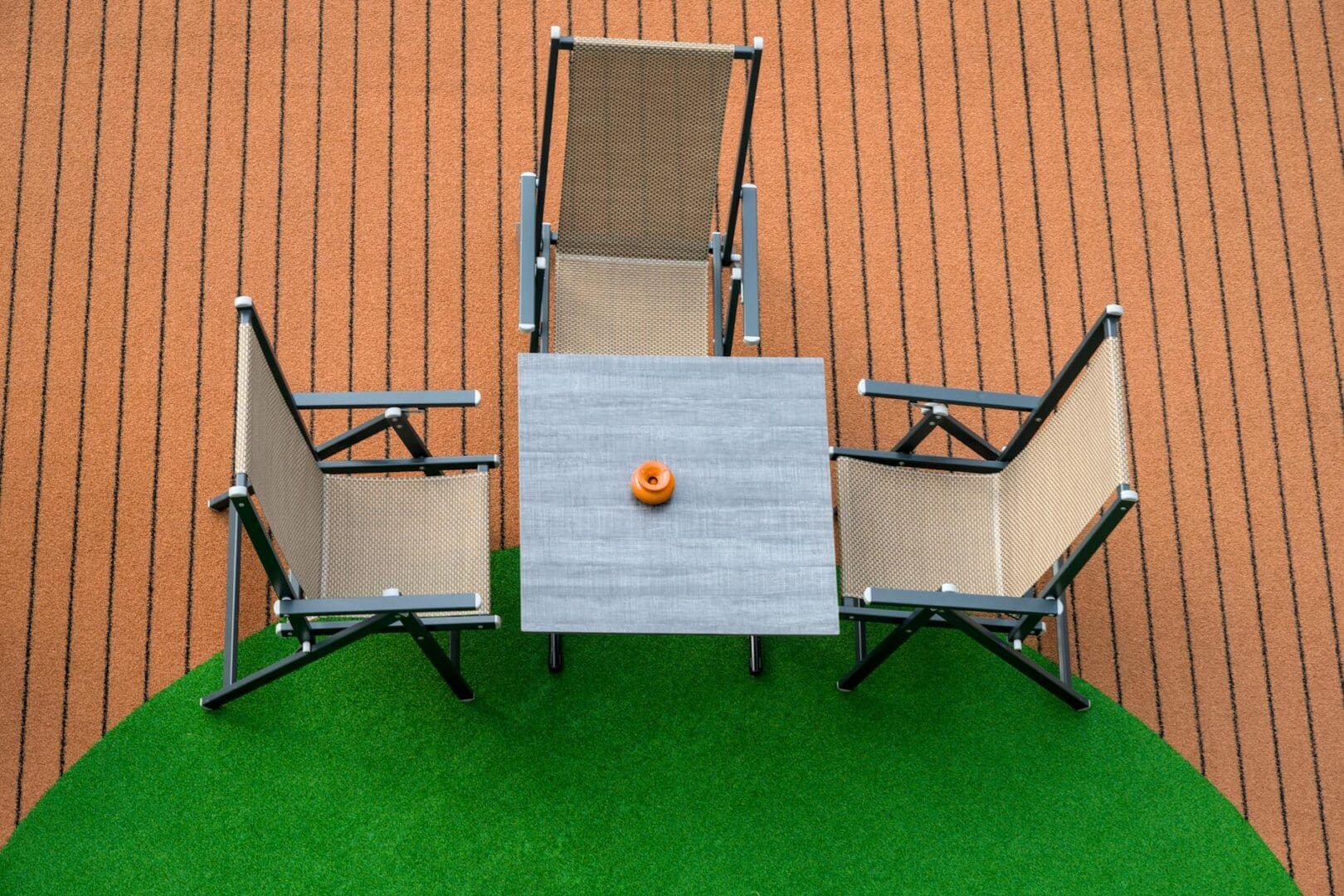
Think about cushions and fabric when choosing aluminum seating. Since aluminum conducts heat, bare metal can get uncomfortably hot in direct sun or cold on cool evenings. Most dining chairs and lounge pieces work best with cushions. Look for aluminum frames with fabric seats or plan to budget for weather-resistant cushions.
Consider maintenance-free options like aluminum with woven synthetic strapping or mesh seats if you don’t want to deal with storing cushions. These hybrid designs give you comfort without the cushion upkeep.
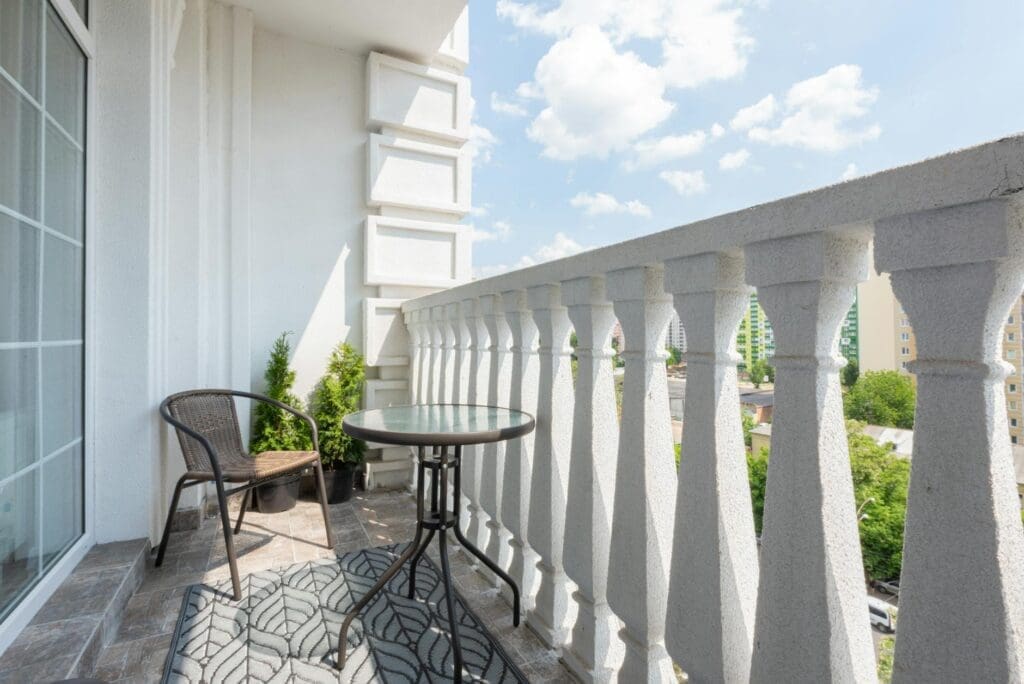
Choosing aluminum outdoor furniture comes down to balancing your priorities: cast versus extruded construction, finish quality, weight considerations, and style preferences. Focus on frame thickness, powder-coated or anodized finishes, and construction that feels solid when you test it. Whether you’re furnishing a small balcony or a sprawling patio, aluminum offers durability and versatility that can work beautifully for years with minimal maintenance. Take your time comparing construction quality rather than just prices, and you’ll end up with pieces you’re happy with long-term.
You’ve fallen for the classic look of Adirondack chairs, but now you’re stuck at the fork in the road: traditional wood or modern poly? It’s not just about aesthetics—this decision affects how much time you’ll spend on maintenance, how long your chairs will last, and whether you’ll be repainting in two years or still enjoying […]
There’s something wonderfully ironic about the Adirondack chair’s origin story. Back in 1903, Thomas Lee was vacationing in Westport, New York, frustrated by the lack of comfortable outdoor seating that could handle the sloped terrain of his property. So he built a wide-backed, slatted chair with a reclined seat—and accidentally created an icon. Today, you’ll […]
Nothing pulls together a patio quite like an outdoor rug—it defines your seating area, adds comfort underfoot, and makes the whole space feel more intentional. But get the size wrong, and it can look like a bath mat floating in the middle of your deck or a carpet that swallows your furniture whole. The good […]