You want outdoor furniture that looks great and actually holds up to whatever weather your region throws at it. Aluminum furniture checks both boxes—it won’t rust, it’s surprisingly lightweight, and it comes in styles ranging from classic to contemporary. But not all aluminum furniture is created equal, and knowing what separates the flimsy from the built-to-last will save you from replacing saggy chairs in three years.
Understanding Aluminum Frame Construction
The frame is where quality really shows itself. Look for furniture with welded joints rather than bolted connections—welded frames distribute weight more evenly and won’t loosen over time. Tubular aluminum frames should have walls at least 1.2mm thick for dining chairs and 1.5mm or thicker for sofas and benches that need to support more weight.
Cast aluminum furniture offers a completely different look, with ornate Victorian or French-inspired designs that feel more substantial. It’s heavier than extruded aluminum (the hollow tube variety), which makes it less likely to blow around in wind but harder to rearrange when you want to reconfigure your space. Cast pieces typically start around $400 per chair and go up from there, while extruded aluminum dining sets can range from $600 for a basic five-piece set to $3,000+ for designer collections.
Finish Types and Weather Resistance
The powder-coated finish protects your furniture and determines how it ages. A high-quality powder coat should be applied after the aluminum has been properly cleaned and primed—cheaper manufacturers skip the primer, and you’ll see the finish flaking within a year.
Most outdoor aluminum comes in three finish categories. Matte or textured powder coats hide scratches better and give a modern look. Glossy finishes show every fingerprint but create that crisp, clean aesthetic many people love. Brushed or mill finishes showcase the metal itself and develop a natural patina over time, which some find appealing and others consider shabby.
If you live near the ocean, confirm the furniture has a marine-grade finish or coating. Salt air is particularly brutal on outdoor furniture, and standard powder coating won’t hold up as well as specialized marine treatments.
Comfort Features and Cushion Compatibility
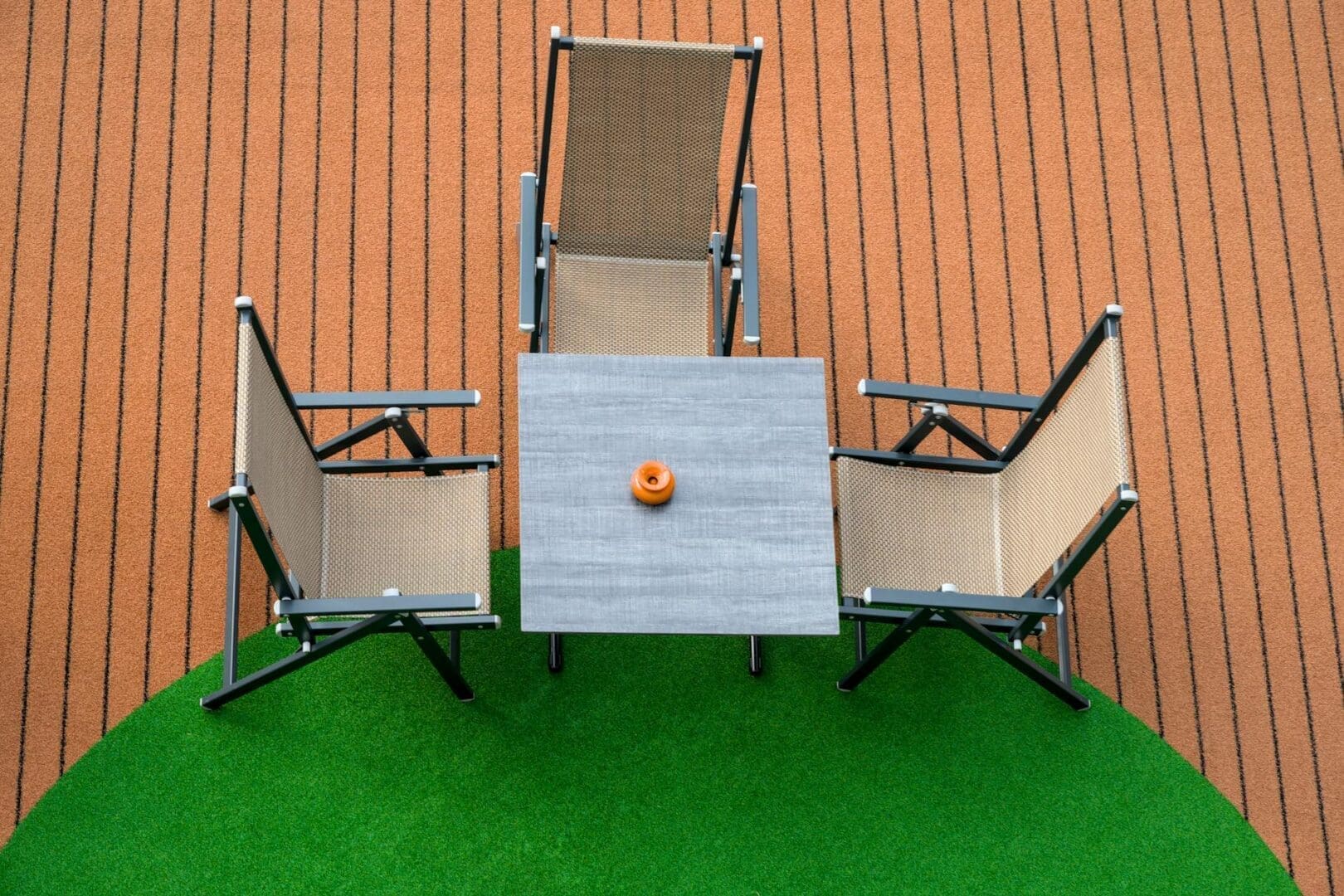
Bare aluminum seating isn’t particularly comfortable for long dinner parties. Check whether the furniture you’re considering needs cushions, includes them, or has contoured seats that work without them. Sling-style aluminum chairs with mesh seats offer decent comfort without cushions and dry quickly after rain.
If you’re going the cushion route, make sure the frames have tie points or grooves that keep cushions secure. Furniture designed for cushion use typically has flatter, wider surfaces and may include quick-dry cushions in the price (usually adding $200-500 to the total cost of a dining set). Budget separately for cushion storage if you don’t want to leave them out year-round—even all-weather cushions last longer when protected from constant sun exposure.
Style Choices and Mixing Materials
Pure aluminum furniture ranges from sleek mid-century modern designs to ornate traditional pieces. For dining sets, consider whether you want matching chairs or prefer mixing materials—aluminum frames with wood armrests, woven wicker backs, or mesh sling seats all add visual interest.
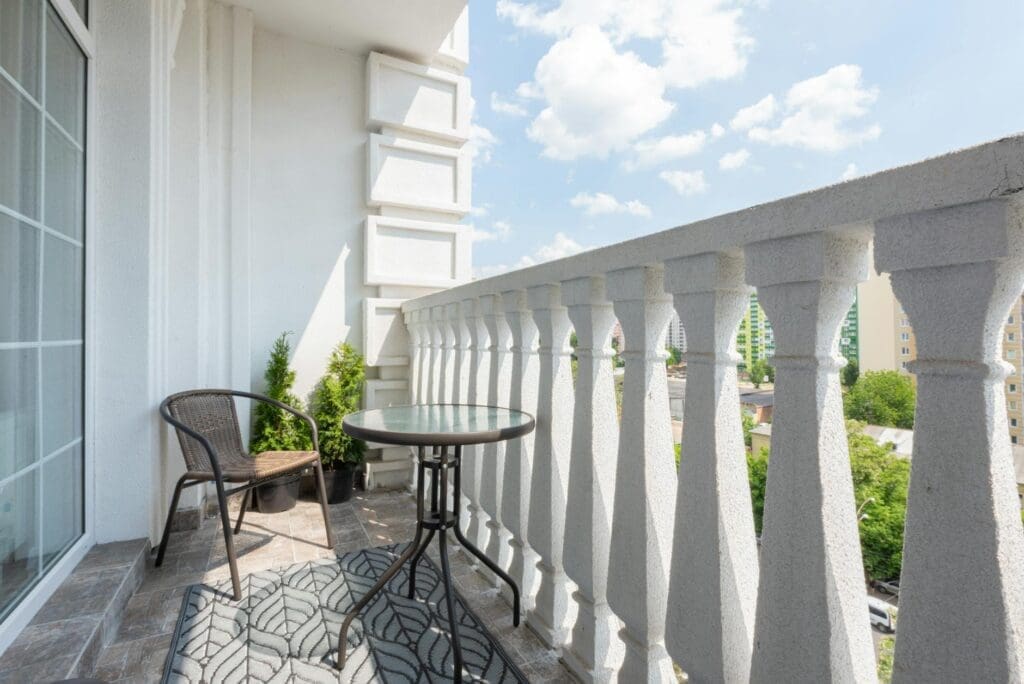
Aluminum pairs beautifully with glass, stone, and wood table tops. An aluminum base with a tempered glass top creates an airier feel than solid aluminum and makes a small patio feel more spacious. Stone or tile-topped aluminum tables feel more substantial and never show water spots, though they add weight. Expect to pay $100-300 more for tables with upgraded tops versus standard aluminum surfaces.
Don’t forget about maintenance access. Some designs have decorative elements that trap leaves and debris, creating extra cleaning work. Simpler designs with fewer crevices stay cleaner with just a quick hose-down.
Aluminum furniture offers genuine value when you choose well-constructed pieces with proper finishes. Focus on frame thickness, welded construction, and quality powder coating, then let your style preferences and cushion tolerance guide you toward specific designs. A good aluminum set should easily last 10-15 years with minimal maintenance—just occasional cleaning and possibly touching up scratches. Once you know what construction quality looks like, you’ll quickly spot the pieces worth bringing home.
You’ve fallen for the classic look of Adirondack chairs, but now you’re stuck at the fork in the road: traditional wood or modern poly? It’s not just about aesthetics—this decision affects how much time you’ll spend on maintenance, how long your chairs will last, and whether you’ll be repainting in two years or still enjoying […]
There’s something wonderfully ironic about the Adirondack chair’s origin story. Back in 1903, Thomas Lee was vacationing in Westport, New York, frustrated by the lack of comfortable outdoor seating that could handle the sloped terrain of his property. So he built a wide-backed, slatted chair with a reclined seat—and accidentally created an icon. Today, you’ll […]
Nothing pulls together a patio quite like an outdoor rug—it defines your seating area, adds comfort underfoot, and makes the whole space feel more intentional. But get the size wrong, and it can look like a bath mat floating in the middle of your deck or a carpet that swallows your furniture whole. The good […]