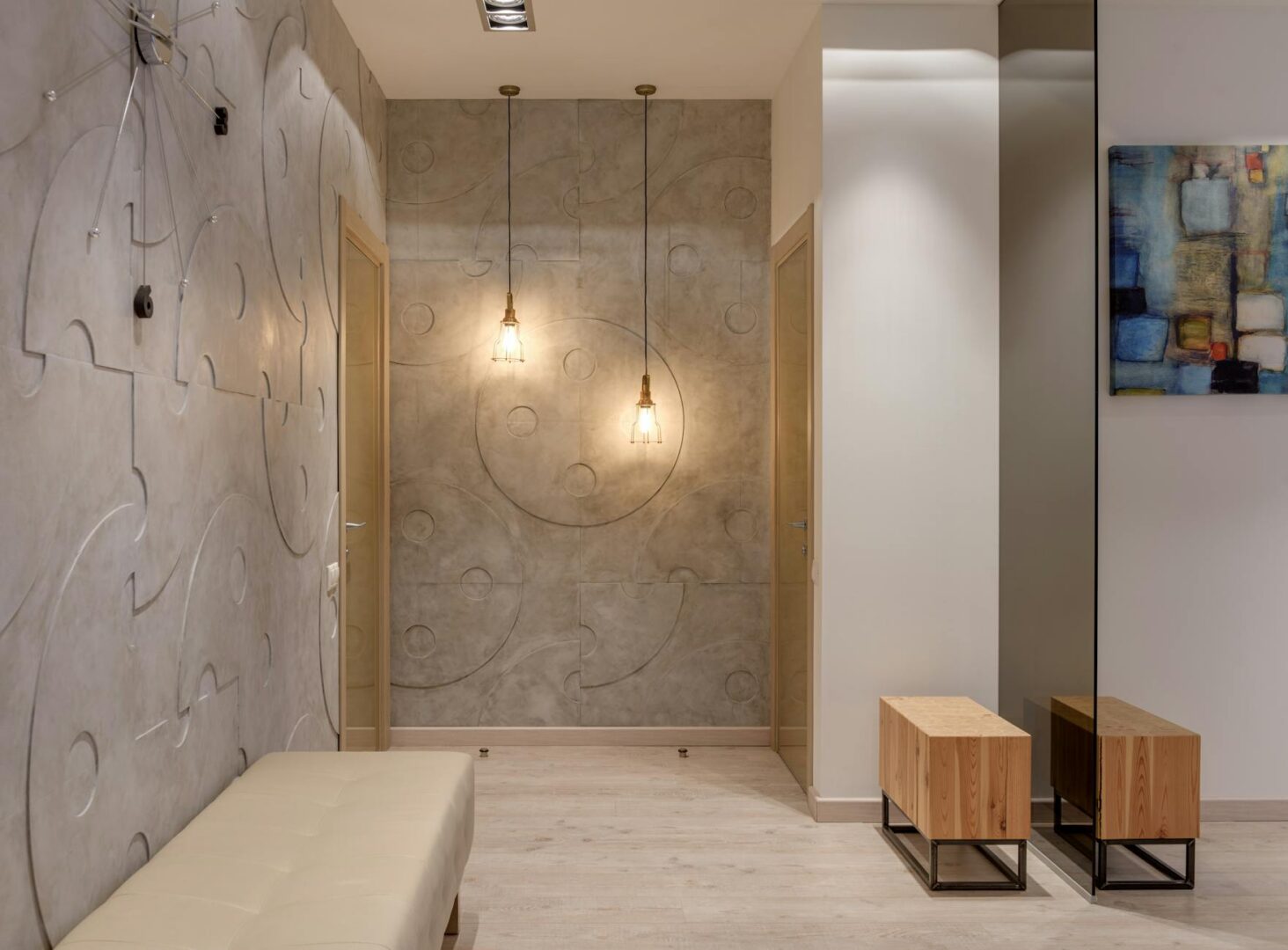
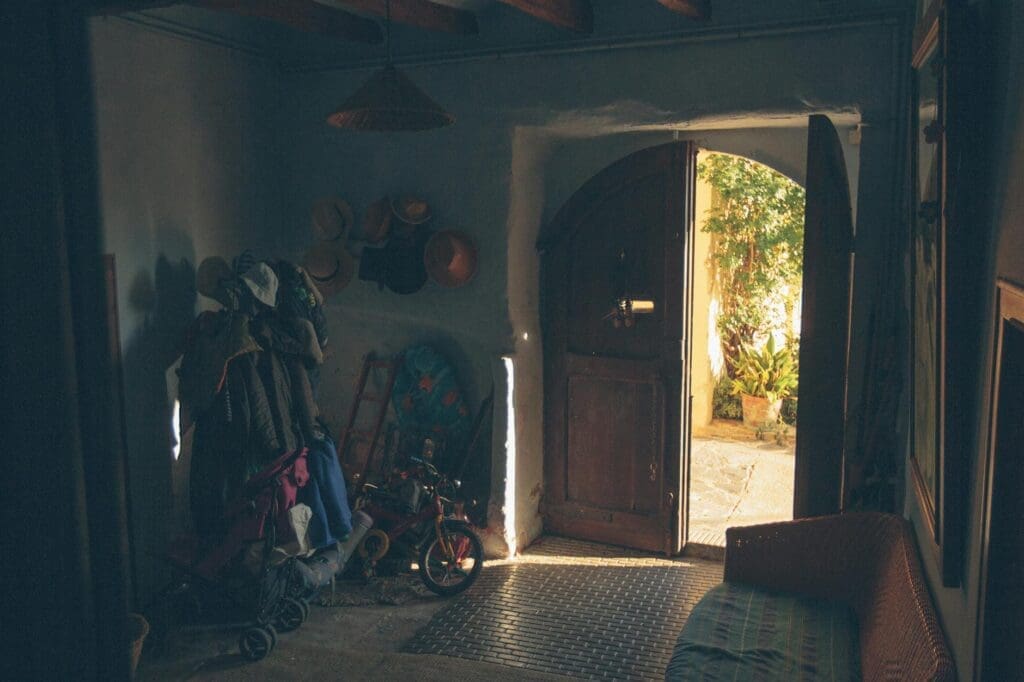
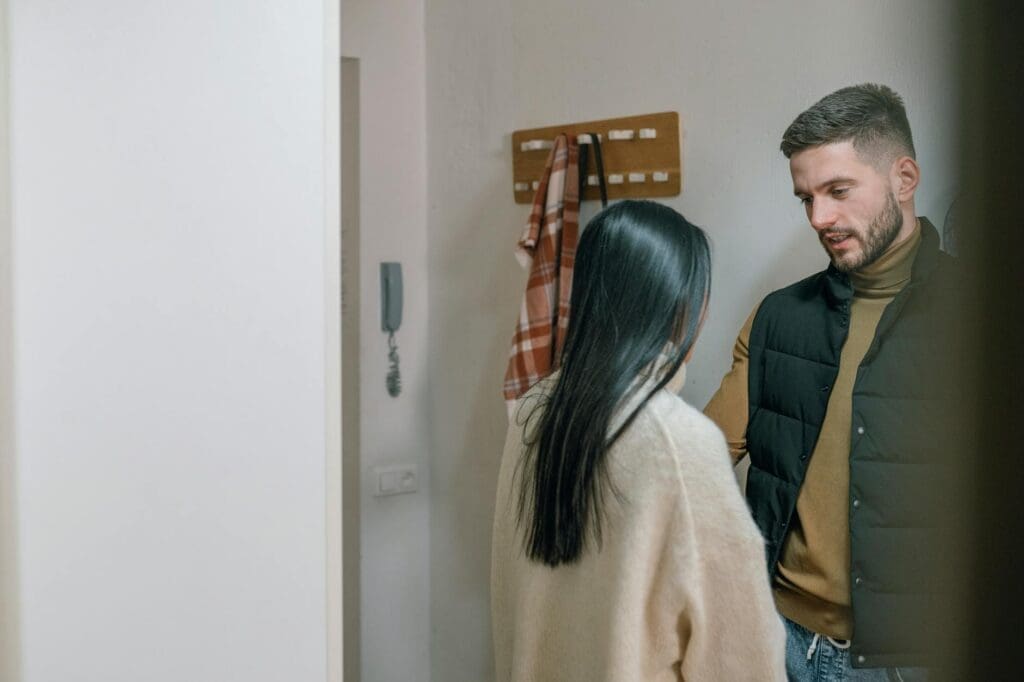
Walking into a dark, windowless entryway can feel like stepping into a cave—not exactly the warm welcome you want for yourself or your guests. If your entry hall lacks natural light, you’re dealing with one of the trickiest spaces in home design. But here’s the good news: with the right combination of lighting, color choices, and strategic furniture placement, you can transform even the darkest entryway into a bright, inviting space that sets a positive tone for your entire home.
Layer Your Lighting Like a Pro
When natural light isn’t an option, artificial lighting becomes your best friend—but one overhead fixture won’t cut it. The secret is layering multiple light sources at different heights to mimic the dimensional quality of daylight.
Start with a statement ceiling fixture that provides ambient light. A flush-mount or semi-flush fixture with multiple bulbs works well in entryways with standard ceiling heights, while a small chandelier or pendant can add personality if you have the vertical space. Look for fixtures with white or clear shades that diffuse light broadly rather than directing it downward.
Next, add task lighting at eye level. Wall sconces flanking a mirror or console table create warm pools of light that make the space feel lived-in and welcoming. Battery-operated LED sconces (which have come a long way in recent years) run $40-$80 and work beautifully if you’re renting or don’t want to hire an electrician. Hardwired sconces offer more design options and typically range from $75-$300 per pair.
Finally, consider a table lamp on your console. This third layer of lighting adds warmth at a human scale and gives you flexibility to adjust the mood. Choose LED bulbs in the 2700-3000K range for all your fixtures—this soft white temperature feels inviting without the harsh blue cast of cooler bulbs.
Use Mirrors to Multiply Your Light
Mirrors are the ultimate hack for windowless spaces because they bounce light around and create the illusion of depth. A large mirror is one of the most impactful additions you can make to a dark entryway.
Position your mirror opposite or adjacent to your light sources—not at the end of a dark hallway where there’s nothing to reflect. A floor-leaning mirror (typically 65-75 inches tall) makes a dramatic statement and costs between $150-$500 depending on the frame style. Wall-mounted mirrors work equally well and free up floor space; look for options at least 30 inches wide to make a real impact.
If you have wall space on both sides of your entryway, consider hanging two smaller mirrors to create symmetry. This approach works especially well in narrow entries where one large mirror might feel overwhelming. Mirrors with light-colored or metallic frames reflect more light than those with dark wood frames.
Choose Light-Reflective Colors and Materials
Dark walls absorb light, so if your entryway feels like a black hole, your paint color might be the culprit. Whites, creams, and light grays reflect up to 80% of available light, while dark colors can absorb 90% or more.
You don’t have to go stark white to brighten things up. Warm whites like Swiss Coffee or Alabaster create a soft, welcoming glow, while light grays with warm undertones (think greige) add sophistication without sacrificing brightness. If you’re renting or can’t paint, a large light-colored area rug can help—just make sure it’s sized appropriately so it doesn’t become a tripping hazard.
Your furniture choices matter too. A console table with a glass top or mirrored finish reflects light better than solid wood. White, light wood, or metallic finishes on coat racks, benches, and storage pieces keep the space feeling airy. Even small details like light-colored baskets for storage and pale ceramic accessories make a measurable difference in how bright the space feels.
Keep It Uncluttered and Streamlined
A cluttered entryway always feels darker and smaller than it actually is. When you’re working without natural light, restraint becomes even more important.
Choose furniture with a small footprint—a narrow console table (10-12 inches deep) provides a landing spot for keys without crowding the space. Wall-mounted coat hooks or a slim coat rack take up less visual space than a bulky hall tree. If you need seating, an upholstered bench with storage inside serves double duty without overwhelming the area.
Limit your accessories to items that enhance brightness: a white ceramic bowl for keys, a small lamp, and maybe one piece of reflective decor like a metallic vase. Save the gallery wall for a room with better lighting—in a dark entryway, too many dark frames create visual weight that works against your brightening efforts.
Your windowless entryway doesn’t have to feel like an afterthought. With thoughtful lighting, strategic use of mirrors, light-reflective colors, and streamlined furniture choices, you can create a bright, welcoming entry that makes coming home feel just right. The key is working with what you have rather than against it—and remembering that sometimes the most challenging spaces become the most rewarding when you get them right.
A cramped entryway with shoes scattered everywhere isn’t just frustrating—it’s usually the first thing you and your guests see when walking through the door. The good news? Even the smallest entryway can stay organized with the right shoe rack. The challenge is finding one that actually fits your space without making it feel even more […]
That pile of shoes by the door isn’t going to organize itself, and your coats deserve better than being draped over the nearest chair. A coat rack with built-in shoe storage solves both problems in one piece of furniture, making it perfect for entryways, mudrooms, or even bedroom corners where clutter tends to accumulate. The […]
A cramped entryway doesn’t mean you’re doomed to trip over piles of coats or hunt for misplaced keys every morning. The right coat rack can transform even the tiniest entry into an organized, welcoming space. The challenge is finding one that holds what you need without making your small entryway feel even smaller. Consider Your […]