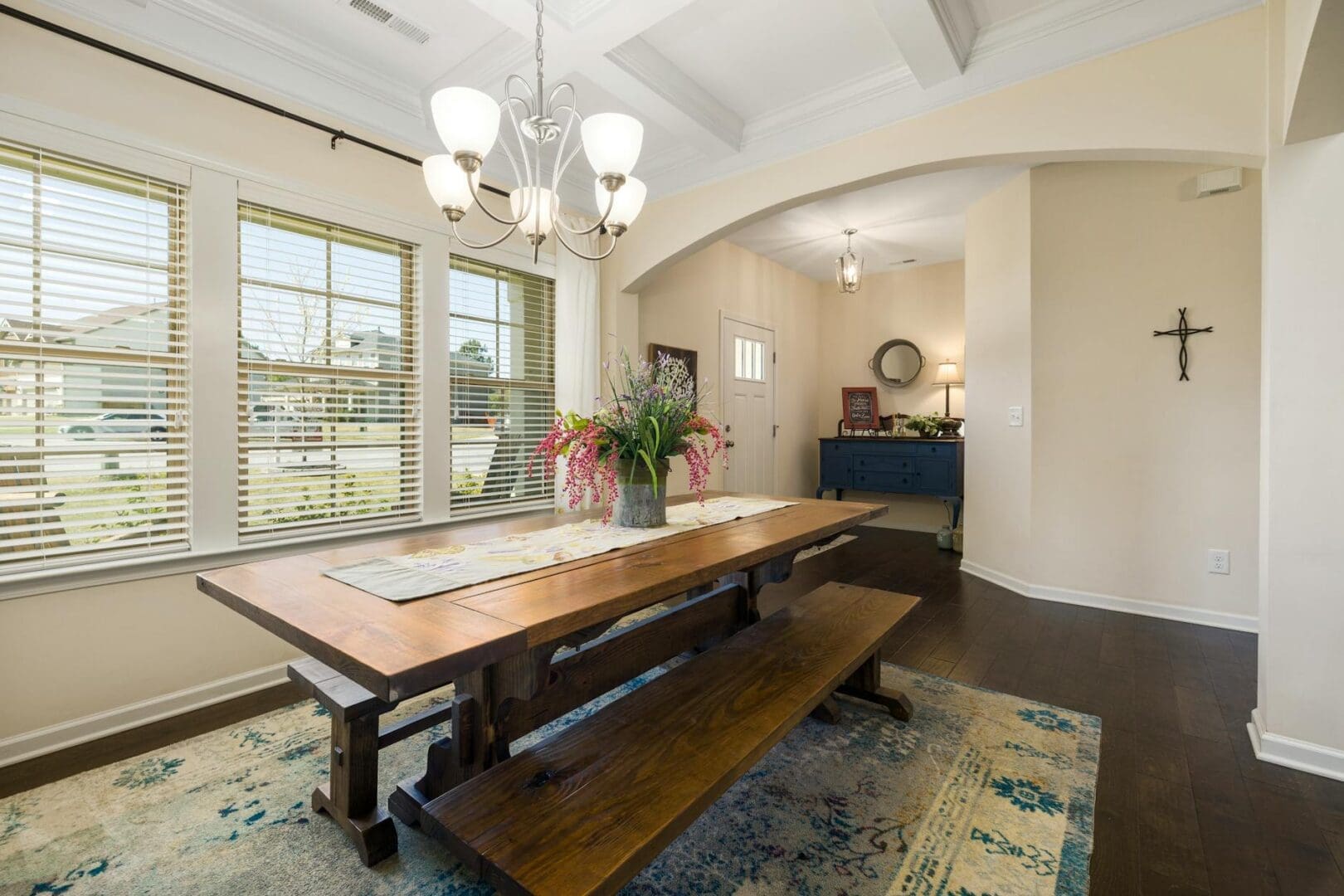
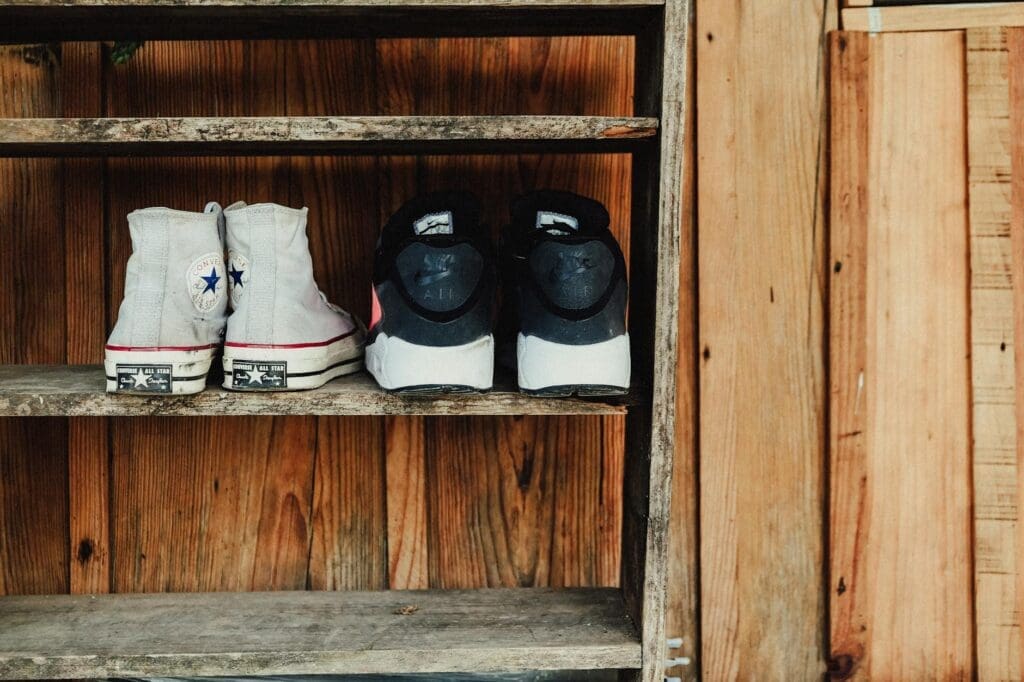
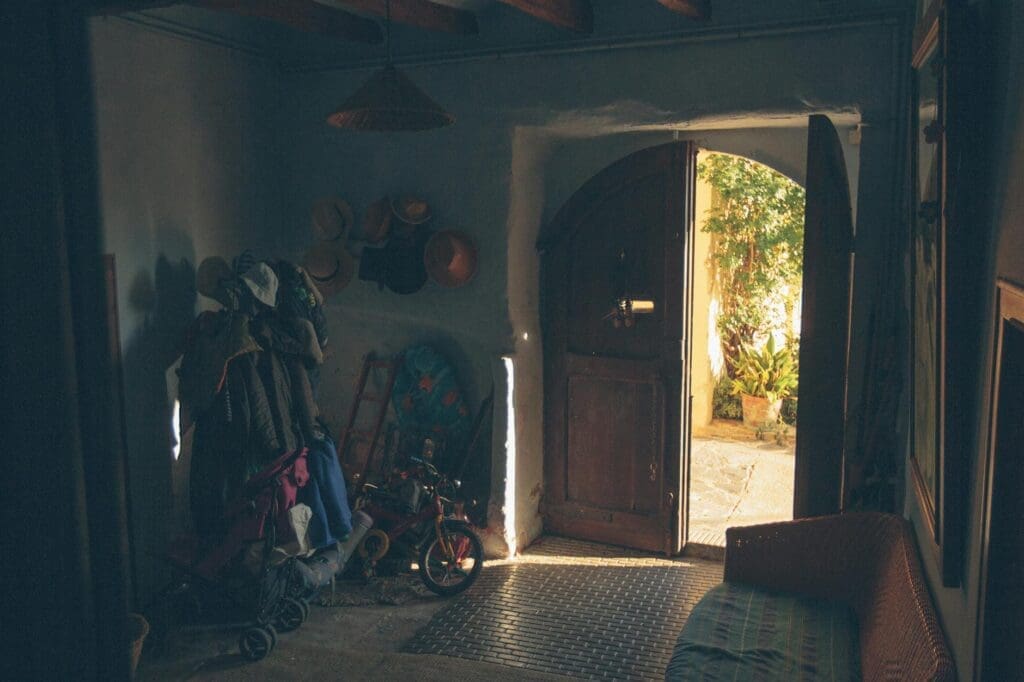
Your entryway is the first thing you and your guests see when walking through the door, but it’s often the last space to get any decorating attention. If yours feels like a forgettable hallway or a dumping ground for shoes and mail, you’re not alone. The good news? A few strategic furniture pieces and decor choices can transform even the plainest entryway into a space with real personality.
Start with a Statement Furniture Piece
The fastest way to give your entryway character is anchoring it with one meaningful furniture piece. A console table is the most versatile option, giving you both visual interest and practical storage. Look for something between 28-32 inches tall and proportioned to your space—a 48-inch table works well in most entryways, while narrower spaces might need a 30-36 inch version.
If your entryway is tight on space, consider a slim console with a depth of just 10-12 inches, or swap it entirely for a wall-mounted shelf with hooks underneath. Budget-friendly options start around $150-200, while mid-range pieces with quality wood construction run $300-600. Splurge-worthy antique or designer consoles that become true focal points typically start at $800 and up.
Other furniture anchors worth considering include a striking bench with storage, a vintage trunk that doubles as seating, or even a small bookcase styled as a display piece. The key is choosing something that feels intentional, not leftover from another room.
Layer in Lighting That Creates Ambiance
Plain entryways often suffer from builder-grade overhead lighting that does nothing for atmosphere. Adding a second light source immediately elevates the space and creates warmth. A table lamp on your console brings eye-level illumination and a decorative element in one. Look for lamps between 24-28 inches tall so they don’t overwhelm the space or disappear entirely.
If you have the ceiling height, consider swapping that basic flush-mount for a pendant light or small chandelier. This works especially well in two-story entryways, but even standard 8-foot ceilings can handle a compact fixture. Pendant lights start around $80 for simple styles, while statement chandeliers range from $200-800 depending on size and materials.
Wall sconces flanking a mirror create a balanced, polished look if you’re up for a slightly more involved installation. The layered lighting approach—combining overhead, table, and accent lighting—makes your entryway feel designed rather than accidental.
Add Depth with Mirrors and Wall Decor
A large mirror does double duty in an entryway: it adds character while making the space feel bigger and brighter. Hang one above your console table or lean an oversized floor mirror against the wall for a more relaxed vibe. Round mirrors soften angular spaces, while rectangular or arched mirrors add architectural interest.
Beyond mirrors, choose wall art or decor that reflects your style. A gallery wall of framed prints or family photos personalizes the space, though this works best in wider entryways where you have wall real estate to spare. In smaller entries, a single large piece makes more impact than several small ones fighting for attention.
Don’t overlook functional wall decor like a decorative coat rack, a row of vintage hooks, or a wall-mounted mail organizer that’s actually attractive. These pieces add character while solving the clutter problem that plagues most entryways.
Bring in Texture and Living Elements
The difference between a plain entryway and one with character often comes down to texture and warmth. A runner rug adds color, pattern, and comfort underfoot—look for durable materials like wool or synthetic blends that can handle foot traffic. Runners typically range from $80-300 depending on size and quality.
Add a plant or two if your entryway gets natural light. A tall fiddle leaf fig or snake plant in a textured basket brings life to a corner, while smaller potted plants work beautifully on console tables. For low-light entryways, high-quality faux plants have come a long way and maintain their good looks without the maintenance.
Finally, layer in smaller decorative objects with varying heights and textures: a ceramic bowl for keys, a stack of books, a sculptural object, or a tray to corral everyday items. The goal is collected-over-time, not matchy-matchy.
Transforming a plain entryway doesn’t require a complete renovation or a massive budget. Start with one anchor piece that speaks to you, add thoughtful lighting, and layer in personal touches that make the space feel welcoming. Your entryway should feel like an intentional beginning to your home, not an afterthought—and with these elements in place, it will.
A cramped entryway with shoes scattered everywhere isn’t just frustrating—it’s usually the first thing you and your guests see when walking through the door. The good news? Even the smallest entryway can stay organized with the right shoe rack. The challenge is finding one that actually fits your space without making it feel even more […]
That pile of shoes by the door isn’t going to organize itself, and your coats deserve better than being draped over the nearest chair. A coat rack with built-in shoe storage solves both problems in one piece of furniture, making it perfect for entryways, mudrooms, or even bedroom corners where clutter tends to accumulate. The […]
A cramped entryway doesn’t mean you’re doomed to trip over piles of coats or hunt for misplaced keys every morning. The right coat rack can transform even the tiniest entry into an organized, welcoming space. The challenge is finding one that holds what you need without making your small entryway feel even smaller. Consider Your […]