Staring at blank walls and a cluttered desk isn’t exactly a recipe for creative breakthroughs. If your home office feels more like a creativity killer than a source of inspiration, you’re not alone. The good news? A few thoughtful furniture choices and layout decisions can transform your workspace into a place where ideas actually flow.
Choose Furniture That Sparks Joy (and Function)
Your desk is where the magic happens, so it needs to work hard for you. Look for one with enough surface area to spread out projects—at least 48 inches wide if you’re working with physical materials or multiple monitors. Standing desks or adjustable-height options (typically $300-$800) give you the flexibility to move throughout your day, which research shows can boost creative thinking.
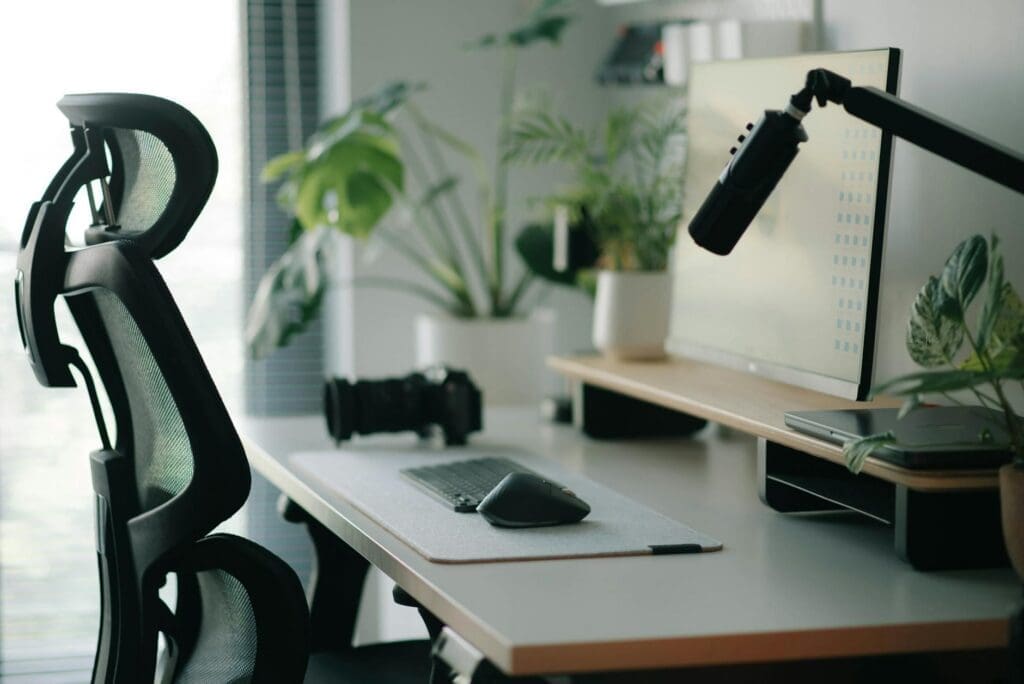
Your chair matters more than you think. A supportive task chair ($200-$600 for quality options) keeps you comfortable during long creative sessions, but don’t be afraid to add a cozy reading chair or small sofa in the corner. Having alternate seating gives you a fresh perspective when you’re stuck—sometimes the best ideas come when you step away from your desk.
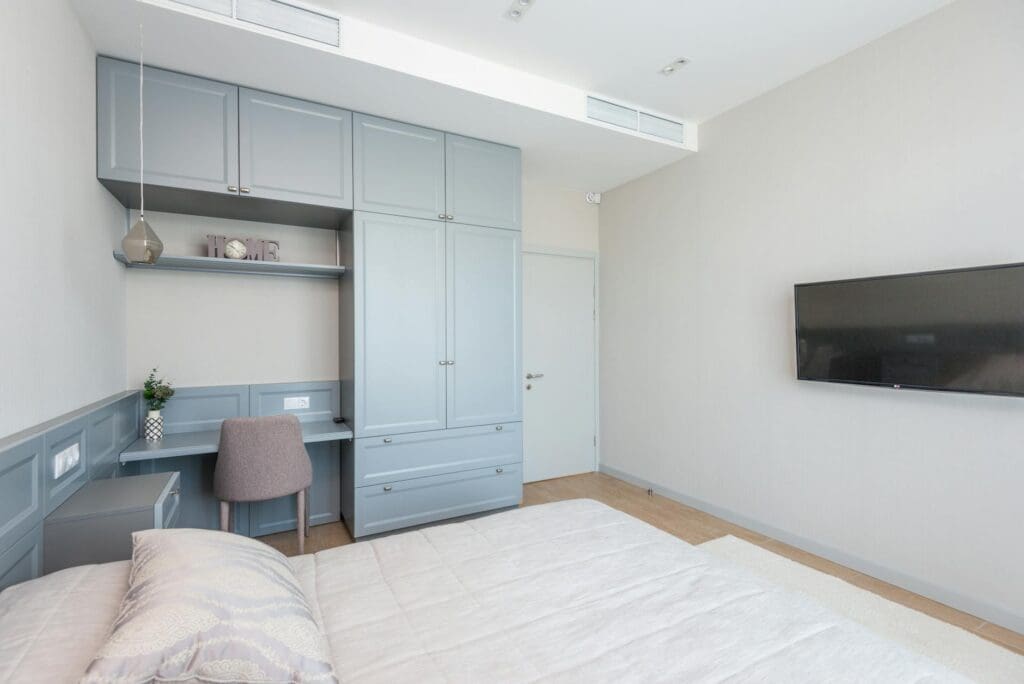
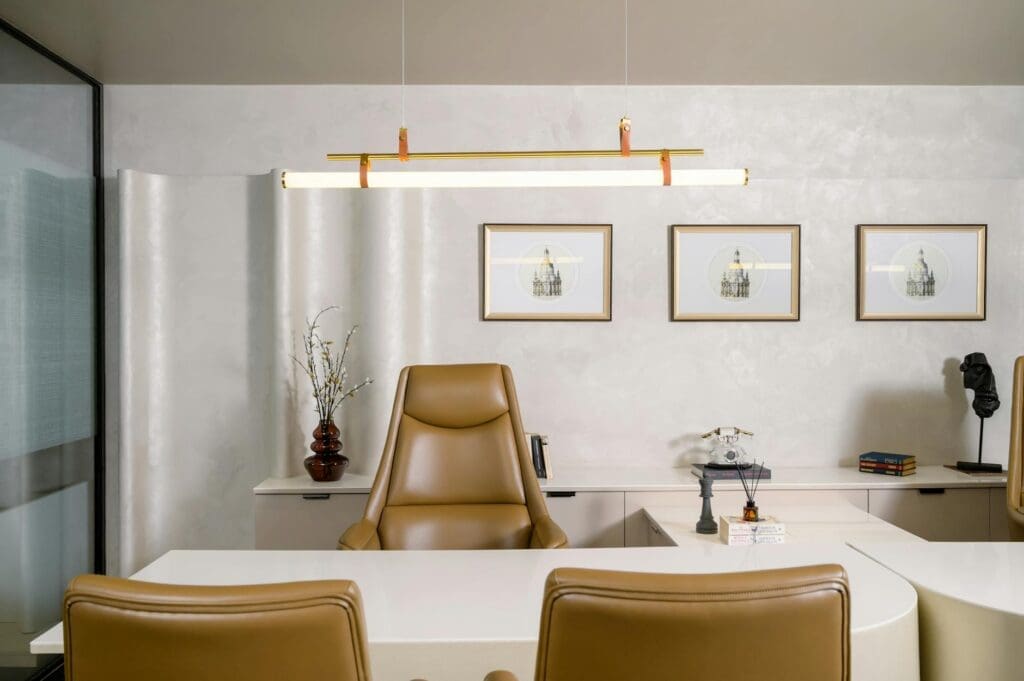
Consider storage that does double duty. Open shelving displays books and objects that inspire you, while closed cabinets hide the mundane stuff. Credenzas ($400-$1,200) work beautifully as both storage and a secondary surface for laying out materials or staging projects.
Let Light Lead the Way
Natural light is the ultimate creativity booster, so position your desk near a window if possible—just avoid putting it directly facing or backing onto one to minimize screen glare. If your space lacks windows, you’ll need to layer your lighting thoughtfully.
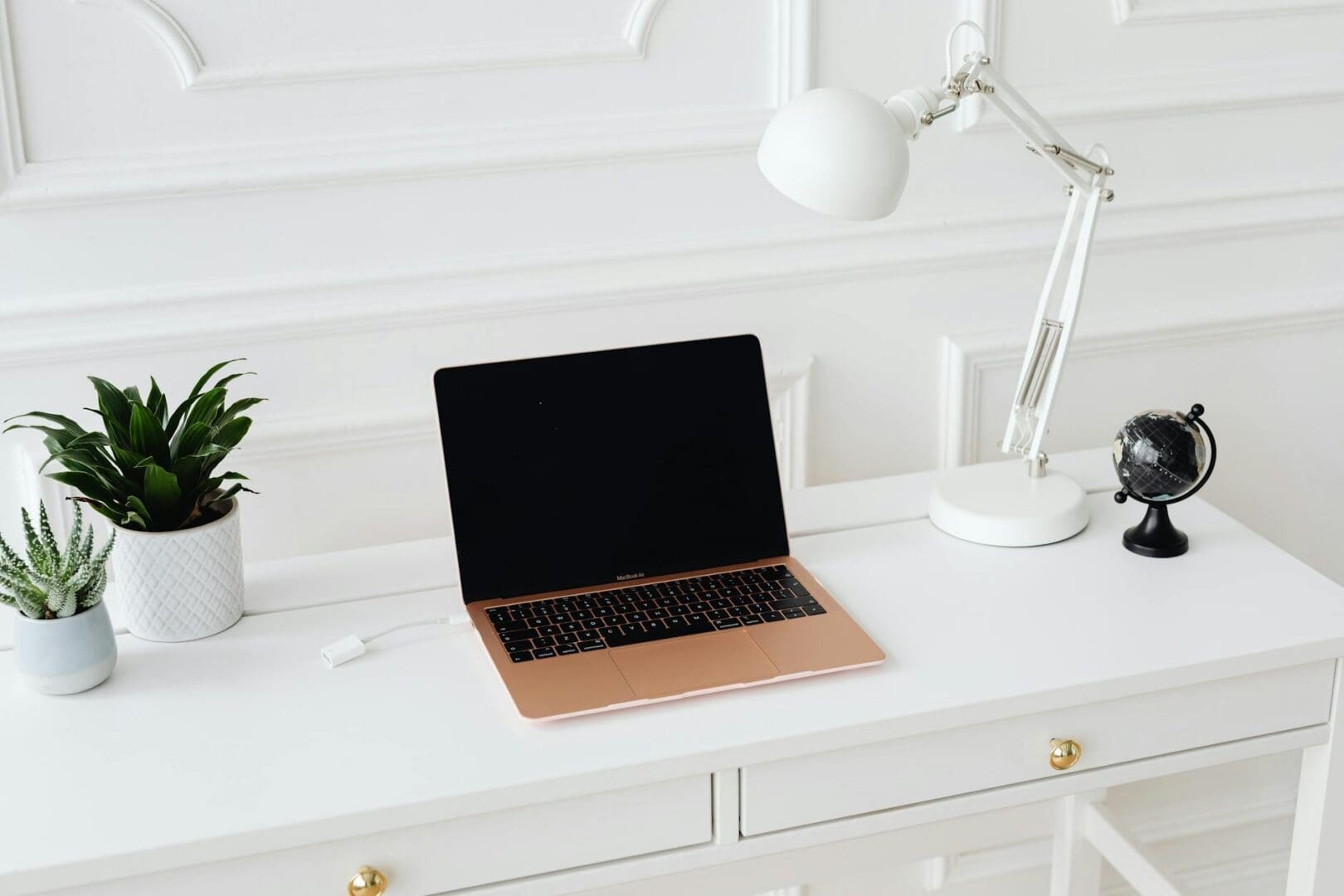
Start with ambient lighting from ceiling fixtures or floor lamps that illuminate the whole room. Add task lighting—a good desk lamp ($80-$250) with adjustable brightness lets you control your environment based on the work you’re doing. Warmer light temperatures (2700-3000K) create a cozy atmosphere that many find conducive to creative thinking, while cooler light (4000-5000K) works better for detailed technical work.
Don’t underestimate accent lighting. Small picture lights highlighting artwork or LED strips behind shelving add visual interest and make your space feel intentional rather than purely utilitarian.
Color and Texture Set the Creative Mood
White walls might feel safe, but they can also feel sterile. Consider painting an accent wall in a color that energizes you—blues and greens promote calm focus, while warmer tones like terracotta or sage can feel grounding and inspiring. If painting isn’t an option, a large piece of artwork or a textile wall hanging behind your desk creates a focal point.
Texture matters too. A wool or jute rug under your desk area defines the workspace and adds warmth underfoot. Mix materials in your furniture—pair a wood desk with a metal bookshelf and upholstered seating. These varied textures keep your eye engaged and prevent the space from feeling flat.
Plants deserve a spot in every creative office. They improve air quality, reduce stress, and add living color that changes throughout the year. Low-maintenance options like pothos, snake plants, or ZZ plants thrive in various light conditions.
Personalize Without Cluttering
The difference between inspiring and cluttered is intentionality. Display items that genuinely spark your creativity—art supplies in beautiful containers, a vision board, books you reference regularly, or objects from travels that remind you of experiences.
Use trays, boxes, and organizers to corral smaller items. A bulletin board or pegboard system lets you pin up inspiration while keeping it contained. Floating shelves ($30-$100 per shelf) showcase curated objects without taking up floor space.
Keep your desktop clear except for what you’re actively using. A desk pad or blotter defines your work surface and adds a pop of color or texture while protecting the desk itself.
Building a creative home office isn’t about buying the trendiest pieces—it’s about choosing furniture and elements that support how you actually work. Start with the essentials that fit your space and budget, then layer in personal touches over time. When your office feels like a place you want to be rather than have to be, the creativity tends to follow naturally.
Your home office deserves better than a jumble of mismatched shelves and that filing cabinet you’ve been meaning to replace. A storage wall unit can transform your workspace from chaotic to composed, giving you dedicated spots for books, supplies, tech equipment, and all those things that currently live in piles. The trick is finding one […]
Your back is telling you it’s time. After months of working from home in a dining chair or that hand-me-down seat from college, you’re ready to invest in a proper office chair. The good news? You don’t need to spend $800 on a Herman Miller to get real ergonomic support. The under-$300 market is packed […]
If you’re spending hours at your desk every day, your office chair matters more than you might think. The two most popular materials—mesh and leather—each have devoted fans, but they deliver very different sitting experiences. Let’s break down what actually matters so you can choose the one that fits your workday, your space, and your […]