That spare room has potential, but you’re torn. You desperately need a proper workspace, but where will guests sleep when family visits? The good news: you don’t have to choose. With the right furniture and a bit of strategic planning, you can create a space that works hard as your daily office and graciously welcomes overnight guests when needed.
Start with a Bed That Disappears
The centerpiece of any office-guest room combo is a sleeping solution that doesn’t dominate the space when not in use. Murphy beds (wall beds) are the gold standard here—they fold up into a cabinet or wall unit, leaving you with full floor space for a desk and office setup. Expect to invest $1,200-$3,000 for a quality system, but the space savings are unmatched.
If a murphy bed exceeds your budget, consider a sleeper sofa ($600-$2,500) positioned against one wall. Modern sleeper mechanisms have improved dramatically, and your guests won’t feel like they’re camping on a medieval torture device. Look for memory foam or hybrid mattresses built into the frame. A daybed ($400-$1,200) is another solid option—it functions as seating during work hours and easily converts to a twin bed for solo guests.
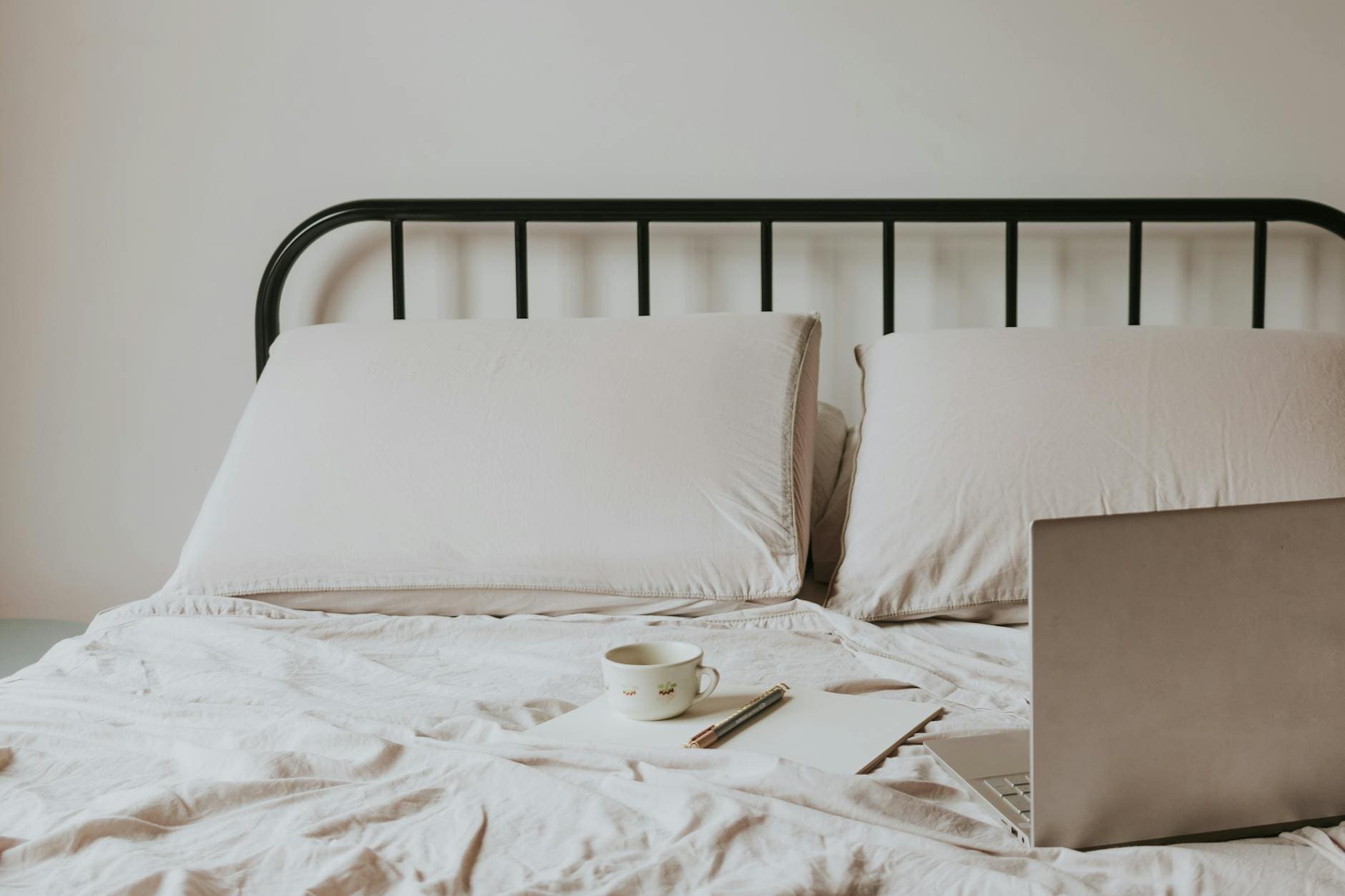
Avoid: Regular beds with decorative pillows. They eat up too much visual and physical space, making your office feel like an afterthought in a bedroom.
Choose a Desk That Serves Both Functions
Your desk needs to be fully functional for work but not so massive that it overwhelms the room’s guest-friendly vibe. A writing desk or compact computer desk (48-60 inches wide) gives you adequate work surface without hogging space. Position it perpendicular to the bed solution or along the opposite wall to create visual separation between the two functions.
Wall-mounted floating desks ($150-$500) are brilliant for tight quarters—they provide workspace without the visual weight of legs and can be positioned at exactly the right height. Pair one with a rolling file cabinet that can tuck underneath or serve as a side table.
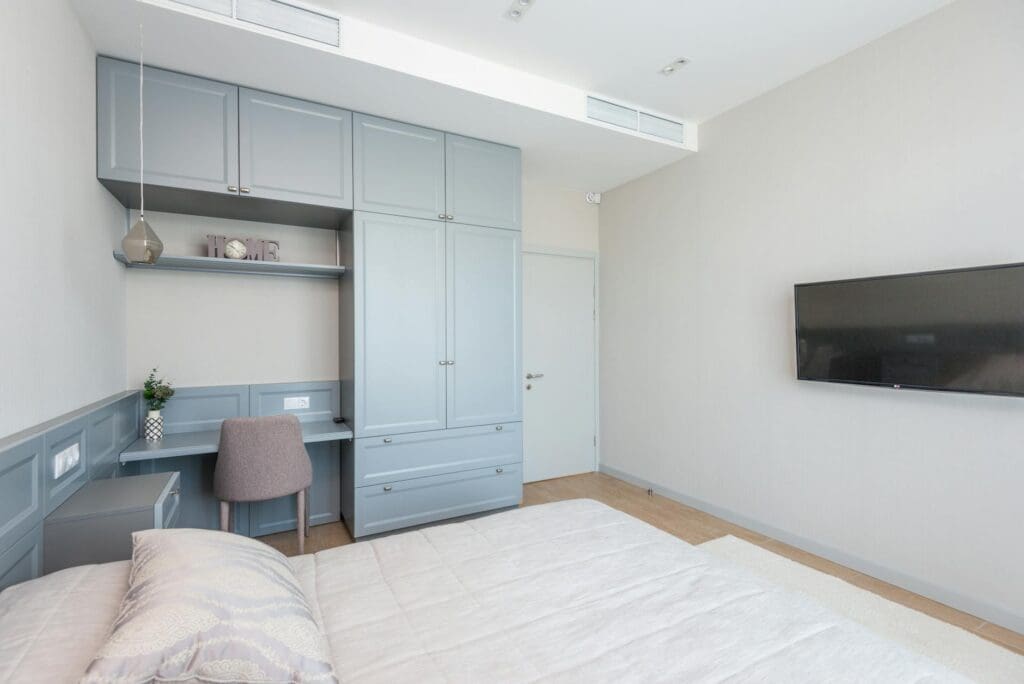
Secretary desks or armoires that close up completely ($500-$1,800) are worth considering if you want to truly hide all work-related items when guests arrive. Everything disappears behind doors, transforming the space instantly.
Store Smart with Dual-Purpose Pieces
Storage is your secret weapon for maintaining both functions without clutter. Look for furniture that earns its keep twice over. An ottoman with interior storage ($100-$400) holds extra bedding inside while serving as office seating or a footrest. A bookshelf room divider ($200-$800) can separate your desk area from the sleeping zone while displaying books, office supplies, and a few welcoming decorative objects.
Install a closet organization system that splits space between your office supplies and guest needs. Dedicate the upper portion to file boxes and equipment, while keeping the lower hanging rod and a few shelves clear for guest clothing. Wire or wooden closet shelving systems run $150-$600 depending on size and quality.
Keep a basket or decorative bin easily accessible for quickly corralling desk items when guests arrive. The faster you can transition the space, the more likely you’ll actually use it for both purposes.
Create Ambiance That Works for Both Scenarios
Lighting makes or breaks a dual-purpose room. You need bright, focused task lighting for work—a good desk lamp is essential ($50-$200). But harsh overhead lighting doesn’t exactly say “welcome, relax, stay awhile.” Add a bedside table lamp or wall sconce ($60-$180) near the sleeping area, and consider installing a dimmer switch on overhead fixtures to adjust the mood.
Choose a neutral, calming color palette that feels professional enough for video calls but warm enough for guests. Soft grays, warm whites, sage greens, or muted blues work beautifully. Add personality through artwork, throw pillows on your sleeper sofa, and a cozy area rug that defines the space and muffles sound.
Window treatments matter more than you might think. Blackout curtains or cellular shades ($40-$300) help guests sleep comfortably while giving you light control during work hours.
The most successful home office guest rooms don’t try to hide either function—they embrace both. With furniture that transforms or tucks away, smart storage that keeps both sets of supplies organized, and thoughtful touches that make the space feel intentional, you’ll wonder why you ever thought you had to choose. Your perfect work-from-home setup and your guests’ comfort can absolutely coexist in the same square footage.
Your home office deserves better than a jumble of mismatched shelves and that filing cabinet you’ve been meaning to replace. A storage wall unit can transform your workspace from chaotic to composed, giving you dedicated spots for books, supplies, tech equipment, and all those things that currently live in piles. The trick is finding one […]
Your back is telling you it’s time. After months of working from home in a dining chair or that hand-me-down seat from college, you’re ready to invest in a proper office chair. The good news? You don’t need to spend $800 on a Herman Miller to get real ergonomic support. The under-$300 market is packed […]
If you’re spending hours at your desk every day, your office chair matters more than you might think. The two most popular materials—mesh and leather—each have devoted fans, but they deliver very different sitting experiences. Let’s break down what actually matters so you can choose the one that fits your workday, your space, and your […]