If you’ve been working from home for a few years now, you’ve probably noticed your office needs have evolved. That makeshift desk setup isn’t cutting it anymore, and you’re ready to create a workspace that actually works for how you live and work today. The good news? Home office design in 2026 is all about making your space more functional, beautiful, and adaptable to your real-life needs.
Biophilic Design Takes Center Stage
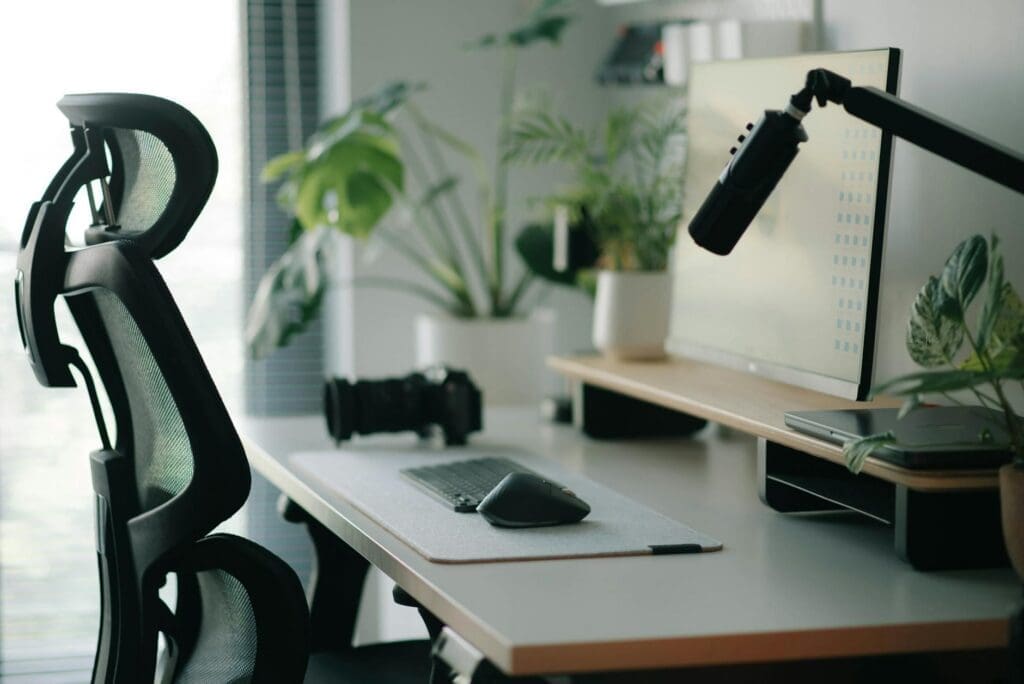
The biggest shift we’re seeing is the integration of natural elements into home offices. Biophilic design—bringing the outdoors in—isn’t just trendy; it’s backed by research showing it reduces stress and boosts productivity. Look for desks made from natural wood with visible grain patterns, like walnut or white oak, rather than heavily processed finishes. Rattan and cane accent pieces are having a major moment, from desk organizers to chair backs.
Living walls and substantial planters aren’t just for Instagram anymore. Consider a credenza or bookshelf with built-in planters, or position your desk near a window where you can add layered greenery. If you’re shopping for new furniture, prioritize pieces in warm wood tones and organic shapes over stark white or industrial metal. Budget-friendly options start around $300-500 for a solid wood desk, while statement pieces with live-edge designs run $800-1,500.
Flexible Furniture for Hybrid Work
With hybrid schedules becoming permanent for many people, 2026 office furniture is designed to adapt throughout your day. Height-adjustable desks are no longer a luxury item—they’re becoming standard, with reliable electric models now available in the $400-700 range. The key is finding one with a smooth, quiet motor and a memory setting so you’re not fumbling with buttons during video calls.
Modular storage systems are replacing traditional filing cabinets. Look for pieces you can reconfigure as your needs change—rolling pedestals that work under your desk or as side tables, wall-mounted shelving with moveable brackets, and ottomans that offer hidden storage. Mobile furniture on casters gives you the freedom to quickly shift from focused work mode to a more collaborative setup when you need space for projects or client meetings.
Warm Minimalism Replaces Stark Modern
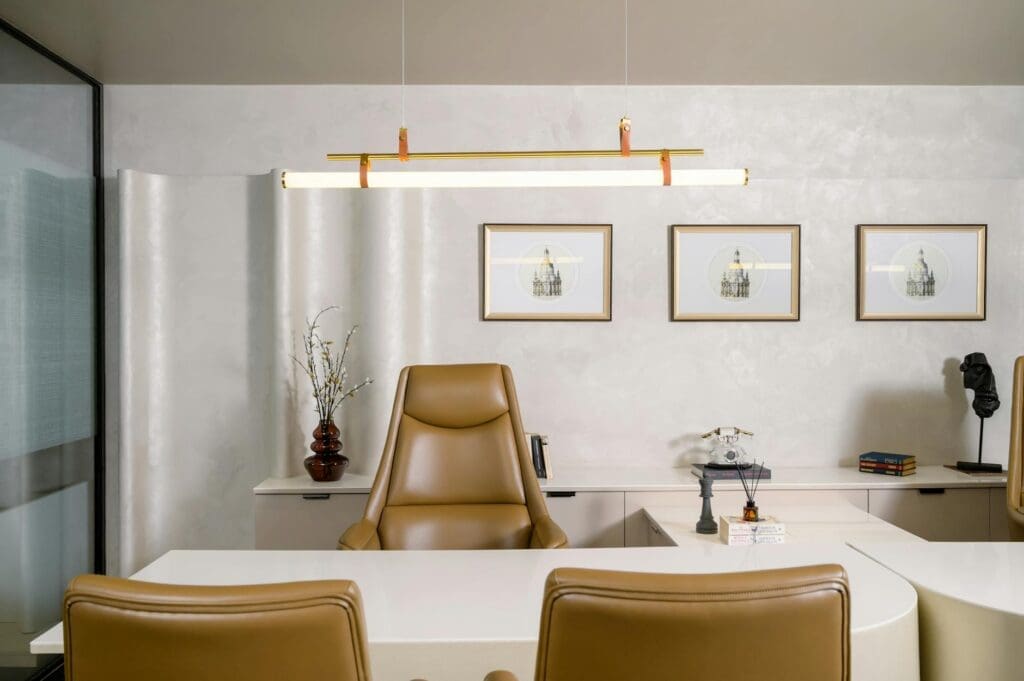
The ultra-minimalist, all-white office is fading. Instead, 2026 trends favor warm minimalism—clean lines and uncluttered spaces, but with texture, warmth, and personality. Think bouclé desk chairs instead of mesh, brass hardware instead of chrome, and layered lighting instead of a single overhead fixture.
When shopping for seating, comfort is non-negotiable, but style matters too. Ergonomic task chairs now come upholstered in rich fabrics like velvet and linen in warm neutrals—terracotta, sage, warm gray, and camel. These run $350-600 for quality options with proper lumbar support. Pair your desk chair with a comfortable reading chair or small sofa in the same color family to create a secondary work zone for calls or reading.
Accent lighting is crucial for this look. A sculptural desk lamp in natural materials like ceramic, wood, or stone adds visual interest while providing task lighting. Wall sconces flanking floating shelves create ambient warmth without taking up desk space.
Tech Integration That Actually Hides
As our home offices fill with devices, 2026 furniture designs are getting smarter about cable management and tech storage. Desks with built-in wireless charging pads, concealed cable channels, and pop-up power outlets keep cords contained and surfaces clear.
Look for credenzas and storage cabinets with ventilated backs and built-in charging stations where you can dock laptops and tablets out of sight at day’s end. These pieces typically range from $500-1,200 depending on size and materials. The investment pays off in maintaining that warm, uncluttered aesthetic even when you’re juggling multiple devices.
Your home office should work as hard as you do while looking like a space you actually want to spend time in. The 2026 trends move away from treating your office like a corporate cubicle dropped into your home and instead create a workspace that feels integrated, personal, and adaptable. Start with one or two key pieces—perhaps a solid wood desk or an ergonomic chair in a warm fabric—and build from there. Your future self, sitting down to work tomorrow morning, will thank you.
Your home office deserves better than a jumble of mismatched shelves and that filing cabinet you’ve been meaning to replace. A storage wall unit can transform your workspace from chaotic to composed, giving you dedicated spots for books, supplies, tech equipment, and all those things that currently live in piles. The trick is finding one […]
Your back is telling you it’s time. After months of working from home in a dining chair or that hand-me-down seat from college, you’re ready to invest in a proper office chair. The good news? You don’t need to spend $800 on a Herman Miller to get real ergonomic support. The under-$300 market is packed […]
If you’re spending hours at your desk every day, your office chair matters more than you might think. The two most popular materials—mesh and leather—each have devoted fans, but they deliver very different sitting experiences. Let’s break down what actually matters so you can choose the one that fits your workday, your space, and your […]