Your home office shouldn’t feel like an afterthought squeezed into a spare corner. As remote and hybrid work continues to reshape how we live, the design of your workspace matters more than ever—not just for aesthetics, but for your productivity and well-being. Here’s what’s defining home offices in 2026, and more importantly, which trends are actually worth your money.
Biophilic Design That Goes Beyond a Single Plant
The connection between nature and workspace productivity isn’t new, but 2026 takes it further than a token succulent on your desk. We’re seeing entire offices designed around natural elements: living moss walls, larger statement plants like fiddle leaf figs or bird of paradise, and natural wood finishes that haven’t been stained into oblivion.
Look for desks in light oak, walnut, or ash with visible grain patterns—these typically range from $400 for smaller writing desks to $1,200+ for substantial executive pieces. Pair them with linen or wool upholstered chairs in earthy tones rather than the stark blacks and grays that dominated earlier years. Budget-friendly options include adding a water feature ($50-150) or swapping plastic organizers for woven rattan or bamboo alternatives ($20-60 each).
The key is creating a space that doesn’t feel sterile. Your nervous system responds to natural materials and textures, which translates to less fatigue during long work sessions.
Flexible Furniture for Multiple Work Modes
The rigid desk-and-chair setup is giving way to adaptable configurations that support different types of work. Height-adjustable desks remain popular, but 2026 adds modular credenzas, mobile filing cabinets that double as side tables, and desk systems with interchangeable components.
A quality electric standing desk runs $500-900 for mid-range options, while manual crank versions start around $300. Consider modular shelving systems ($400-1,500 depending on size) that you can reconfigure as your needs change—particularly useful if you’re working with a multi-purpose room.
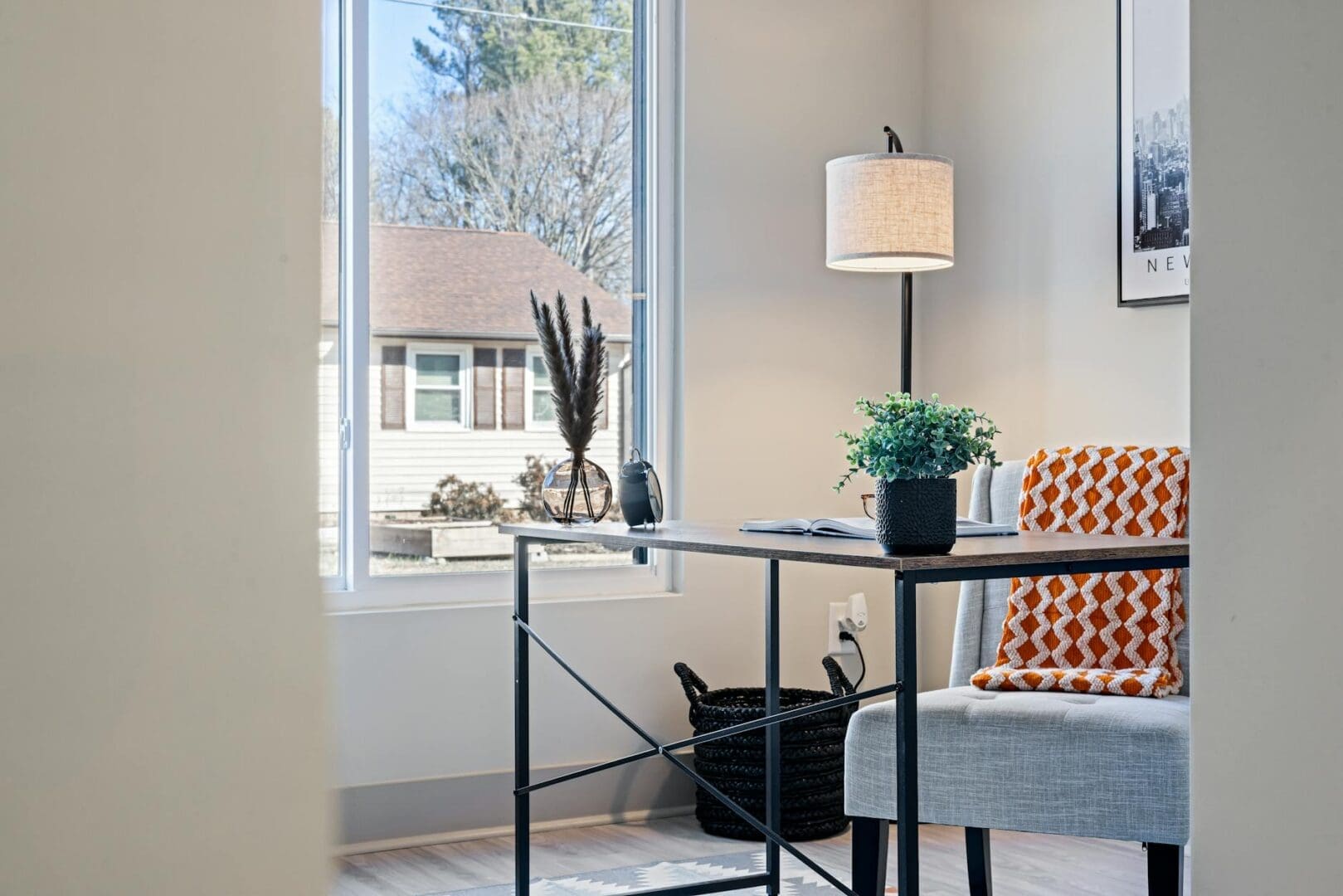
We’re also seeing more lounge seating integrated into home offices: reading chairs with ottomans, small sofas, or even window benches. These create distinct zones for focused work versus phone calls or creative brainstorming. A comfortable accent chair for this purpose typically ranges from $400-800, though you can find decent options around $250 if you’re patient.
Warm Minimalism Replaces Cold Minimalism
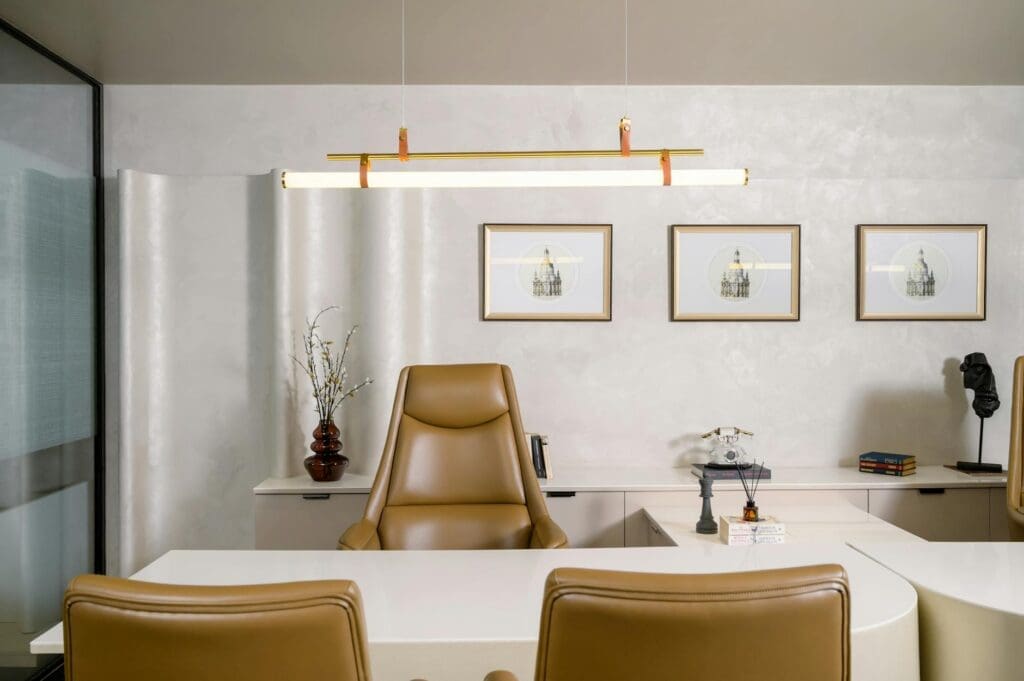
Minimalism isn’t going anywhere, but its aesthetic is warming up. The clinical all-white offices with chrome accents are being replaced by spaces that are still uncluttered but feel welcoming. Think warm white or cream walls, brass or matte black hardware, and textured textiles.
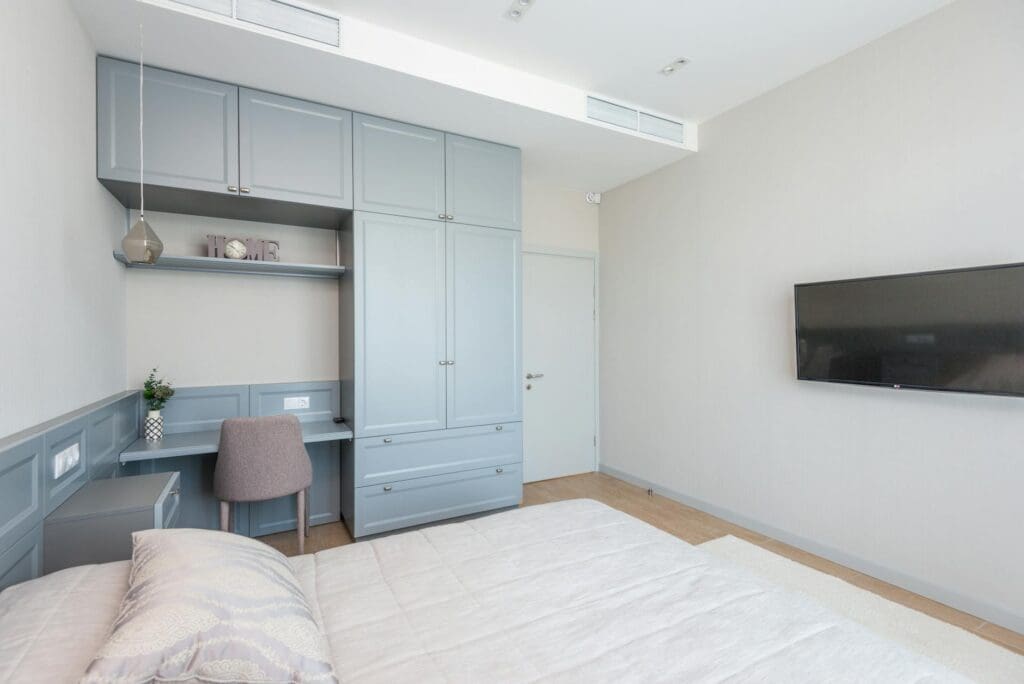
When shopping for storage solutions, look for closed cabinets rather than open shelving—they maintain the clean look while hiding the inevitable clutter. A well-designed credenza or storage cabinet runs $350-900, but it’s worth the investment for the visual calm it provides. Choose pieces with interesting details like caning, fluting, or mixed materials that add character without busy-ness.
Lighting is critical here too. Replace harsh overhead fixtures with layered lighting: a desk lamp with warm LED bulbs (2700-3000K), plus ambient lighting from floor lamps or sconces. Budget $80-200 for a quality desk lamp, $150-400 for a floor lamp that makes a statement.
Tech Integration That Actually Disappears
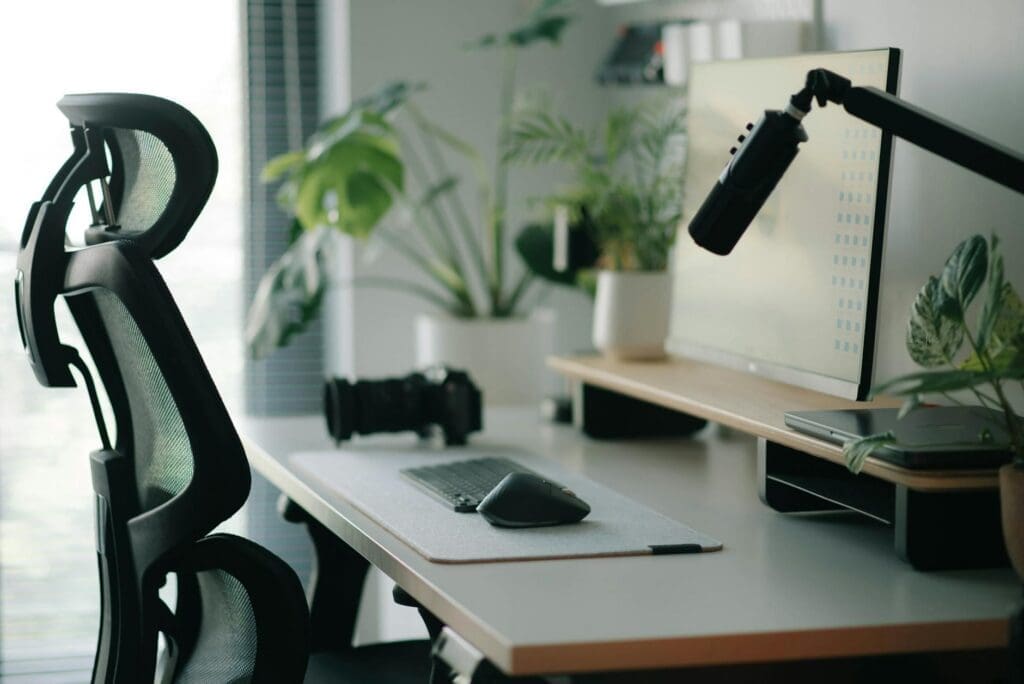
The 2026 home office hides technology rather than celebrating it. Cable management systems built into desks, wireless charging surfaces integrated into desktop materials, and furniture with discreet power outlets are becoming standard features rather than premium add-ons.
Look for desks with built-in cable trays or grommets—they typically add $50-100 to the price but eliminate the rat’s nest of cords that tanks your carefully designed aesthetic. Monitor arms ($100-250) get screens off your desk surface and create a floating effect that feels more sophisticated. Even your filing system can go digital-friendly with slim drawers designed specifically for tablets and charging stations.
Your home office is where you spend a significant portion of your life. The trends worth following in 2026 are those that genuinely improve how the space functions and how you feel while working in it. Start with the elements that address your biggest pain points—whether that’s better lighting, more flexible furniture, or finally getting those cables under control—and build from there. The right pieces will serve you well beyond this year’s trend cycle.
Your home office deserves better than a jumble of mismatched shelves and that filing cabinet you’ve been meaning to replace. A storage wall unit can transform your workspace from chaotic to composed, giving you dedicated spots for books, supplies, tech equipment, and all those things that currently live in piles. The trick is finding one […]
Your back is telling you it’s time. After months of working from home in a dining chair or that hand-me-down seat from college, you’re ready to invest in a proper office chair. The good news? You don’t need to spend $800 on a Herman Miller to get real ergonomic support. The under-$300 market is packed […]
If you’re spending hours at your desk every day, your office chair matters more than you might think. The two most popular materials—mesh and leather—each have devoted fans, but they deliver very different sitting experiences. Let’s break down what actually matters so you can choose the one that fits your workday, your space, and your […]