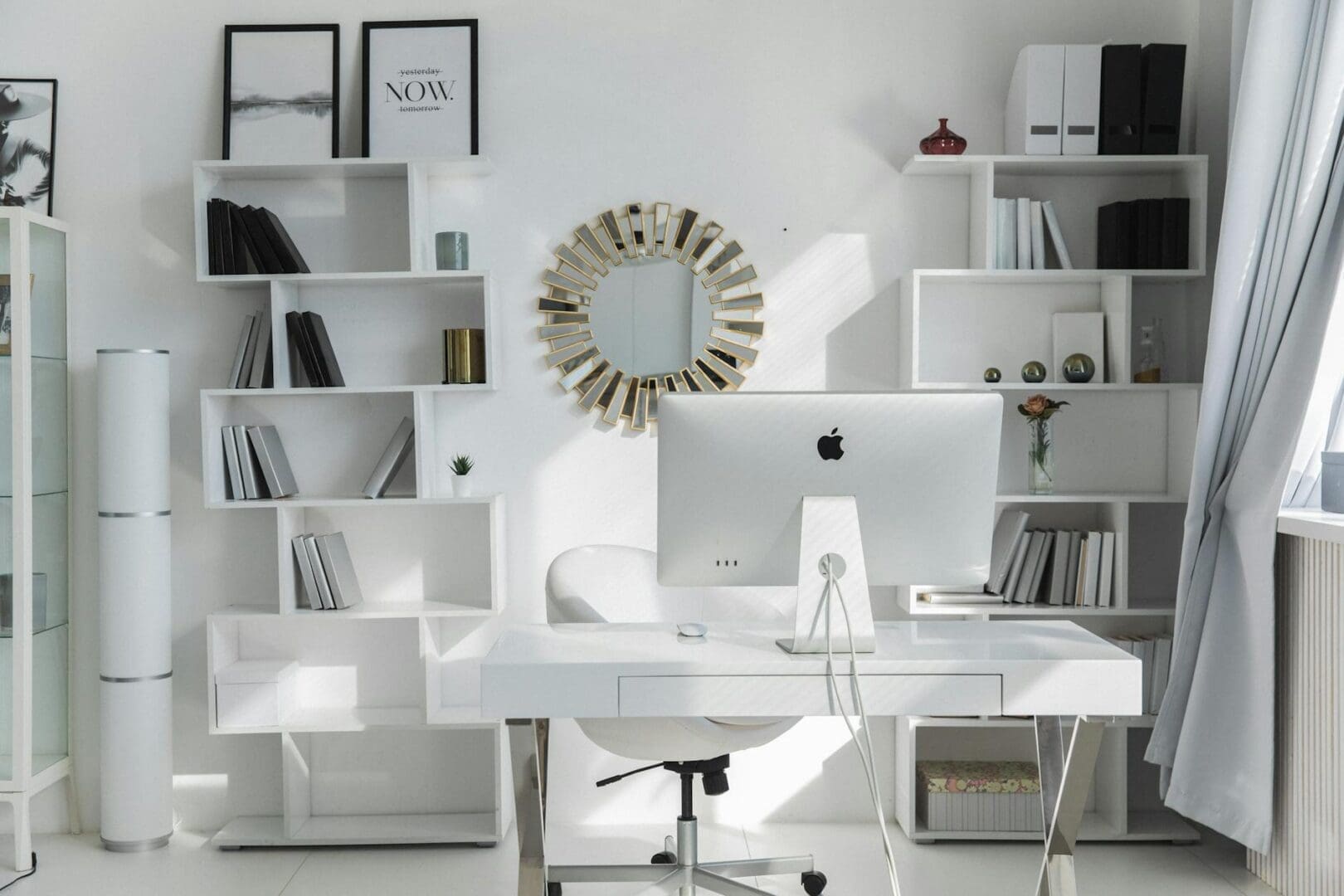
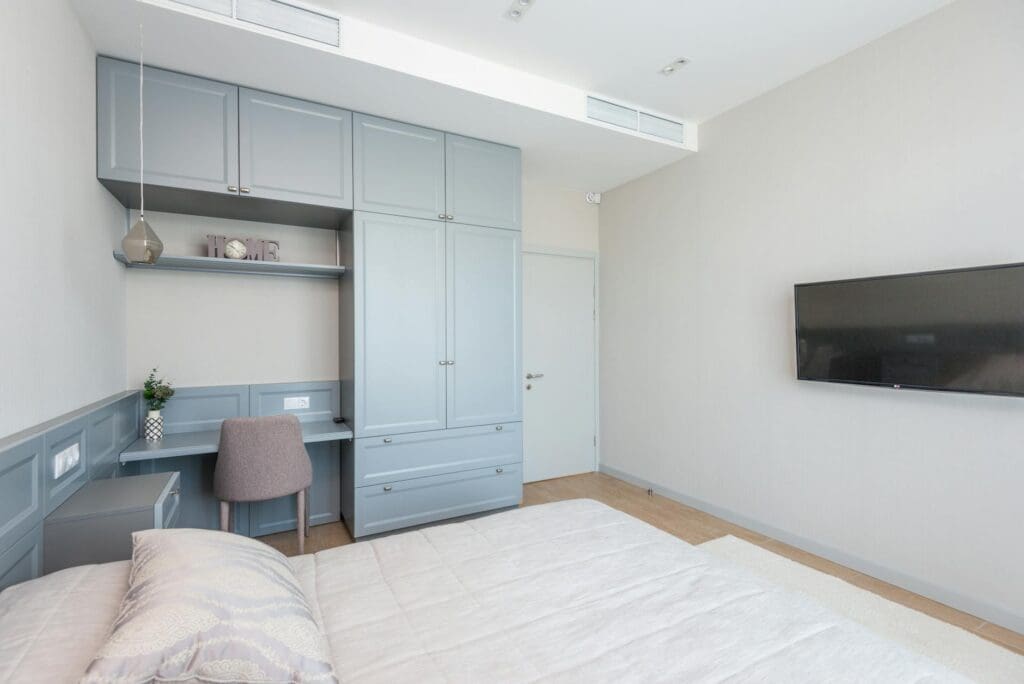
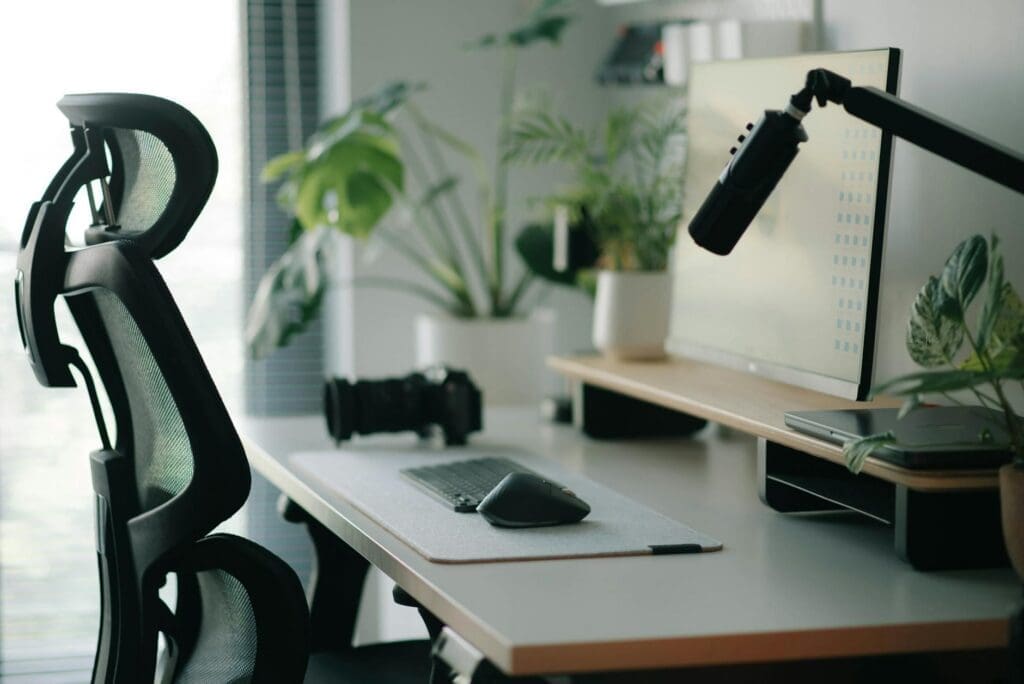
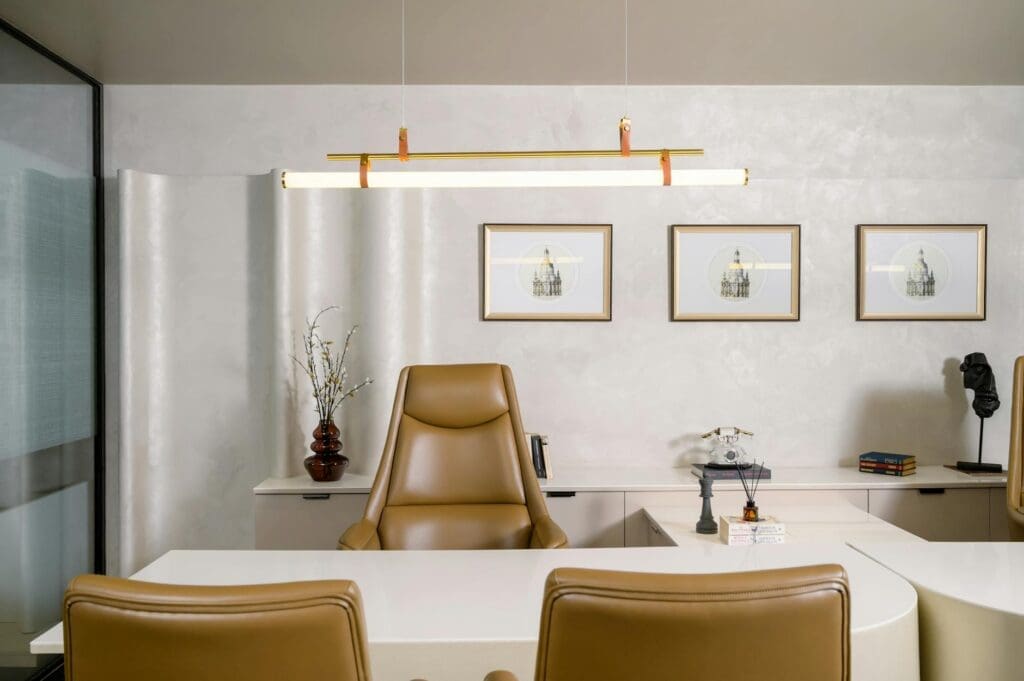
You’re staring at a blank wall in your home office, books stacked in corners, and papers threatening to take over your desk. The question isn’t whether you need storage—it’s which kind will actually work for your space and how you work. Let’s break down the real differences between floating shelves and bookcases so you can choose wisely.
Space Considerations and Room Size
Floating shelves win the space-saving contest hands down. They typically project 8-12 inches from the wall and create zero floor footprint, making them ideal if you’re working with a compact 8×10 foot office or a bedroom corner setup. You can install them at any height, which means you can work around existing furniture without playing Tetris with your layout.
Bookcases need floor space—usually 12-18 inches deep and anywhere from 24-48 inches wide. A standard five-shelf bookcase claims about 10 square feet of your floor. But here’s what you gain: significantly more storage capacity. A 72-inch tall bookcase can hold 150-200 books compared to maybe 30-40 books per floating shelf. If you’re drowning in reference materials, legal documents, or a serious book collection, that math matters.
The visual weight differs too. Floating shelves make rooms feel more open and airy, while bookcases create a more anchored, library-like atmosphere. Neither is better—it depends on whether your office feels cramped and cluttered or too sparse and unfinished.
Functionality and What You’re Actually Storing
Be honest about what needs a home. Floating shelves work beautifully for curated displays—10-15 favorite books with spines facing out, a few decorative objects, small plants, and lightweight office supplies. They’re perfect for things you reference daily since everything stays visible. Budget options start around $20-40 per shelf, while solid wood or metal shelves with quality mounting hardware run $60-150 each.
Bookcases handle the heavy lifting, literally. You can pack them with binders, textbooks, storage boxes, and equipment like printers or scanners on lower shelves. Closed-back bookcases hide cord chaos and create a cleaner look from behind. Expect to spend $100-250 for basic laminate units, $300-600 for solid wood mid-range options, and $800+ for hardwood or built-in quality pieces.
Think about accessibility too. Floating shelves mounted above desk height require standing and reaching. Bookcases keep most items within arm’s reach when you’re seated, with adjustable shelves that adapt as your needs change.
Installation and Flexibility
Floating shelves require finding studs or using heavy-duty wall anchors, especially for anything holding more than decorative items. Installation takes 30-60 minutes per shelf if you’re handy, but you’re also committing to holes in your walls. Moving them means patching and repainting. Renters should check lease agreements—some landlords aren’t thrilled about this.
Bookcases arrive, you position them, and you’re done. No drilling, no stress about weight limits or whether your walls can handle it. Rearranging your office layout next year? Just slide it to a new spot. This flexibility matters more than people realize, especially if you’re still figuring out your ideal workspace setup.
One middle-ground option: leaning ladder shelves. They rest against the wall with minimal contact, offer the open look of floating shelves with the stability of a bookcase, and typically cost $80-200.
Style and How It Shapes Your Office Vibe
Floating shelves naturally suit modern, minimalist, and Scandinavian-inspired offices. They showcase beautiful book covers and objects as part of your decor rather than hiding them away. Wood shelves with black metal brackets bring industrial warmth, while simple white shelves disappear against light walls for a clean look.
Bookcases anchor traditional, transitional, and maximalist spaces. A floor-to-ceiling unit creates an impressive backdrop for video calls and establishes your office as a serious workspace. Glass-door bookcases protect valuable books while displaying them, and open-back ladder-style bookcases split the difference with a lighter contemporary feel.
Your choice also signals how you work. Floating shelves suggest someone who keeps a tight edit on their materials. A well-stocked bookcase signals depth, research, and accumulated expertise.
Consider your actual storage needs first, then your space constraints, and let your style preferences guide you within those parameters. If you need to store 100+ books, floating shelves aren’t the answer no matter how good they look. If you’ve got 8 feet of empty wall and love 20 carefully chosen books, a massive bookcase is overkill. Match the solution to the problem, and your office will function as well as it looks.
Your home office deserves better than a jumble of mismatched shelves and that filing cabinet you’ve been meaning to replace. A storage wall unit can transform your workspace from chaotic to composed, giving you dedicated spots for books, supplies, tech equipment, and all those things that currently live in piles. The trick is finding one […]
Your back is telling you it’s time. After months of working from home in a dining chair or that hand-me-down seat from college, you’re ready to invest in a proper office chair. The good news? You don’t need to spend $800 on a Herman Miller to get real ergonomic support. The under-$300 market is packed […]
If you’re spending hours at your desk every day, your office chair matters more than you might think. The two most popular materials—mesh and leather—each have devoted fans, but they deliver very different sitting experiences. Let’s break down what actually matters so you can choose the one that fits your workday, your space, and your […]