You’ve narrowed your mattress search down to something with extra cushioning on top, but now you’re facing a new decision: euro top or pillow top? They sound similar, and honestly, they do feel pretty close when you first lie down in the showroom. But these two constructions have some meaningful differences that affect everything from how the mattress looks in your bedroom to how it feels five years down the road.
Let’s break down what sets these two popular mattress styles apart so you can choose the one that’ll give you the best sleep.
Understanding the Construction Difference
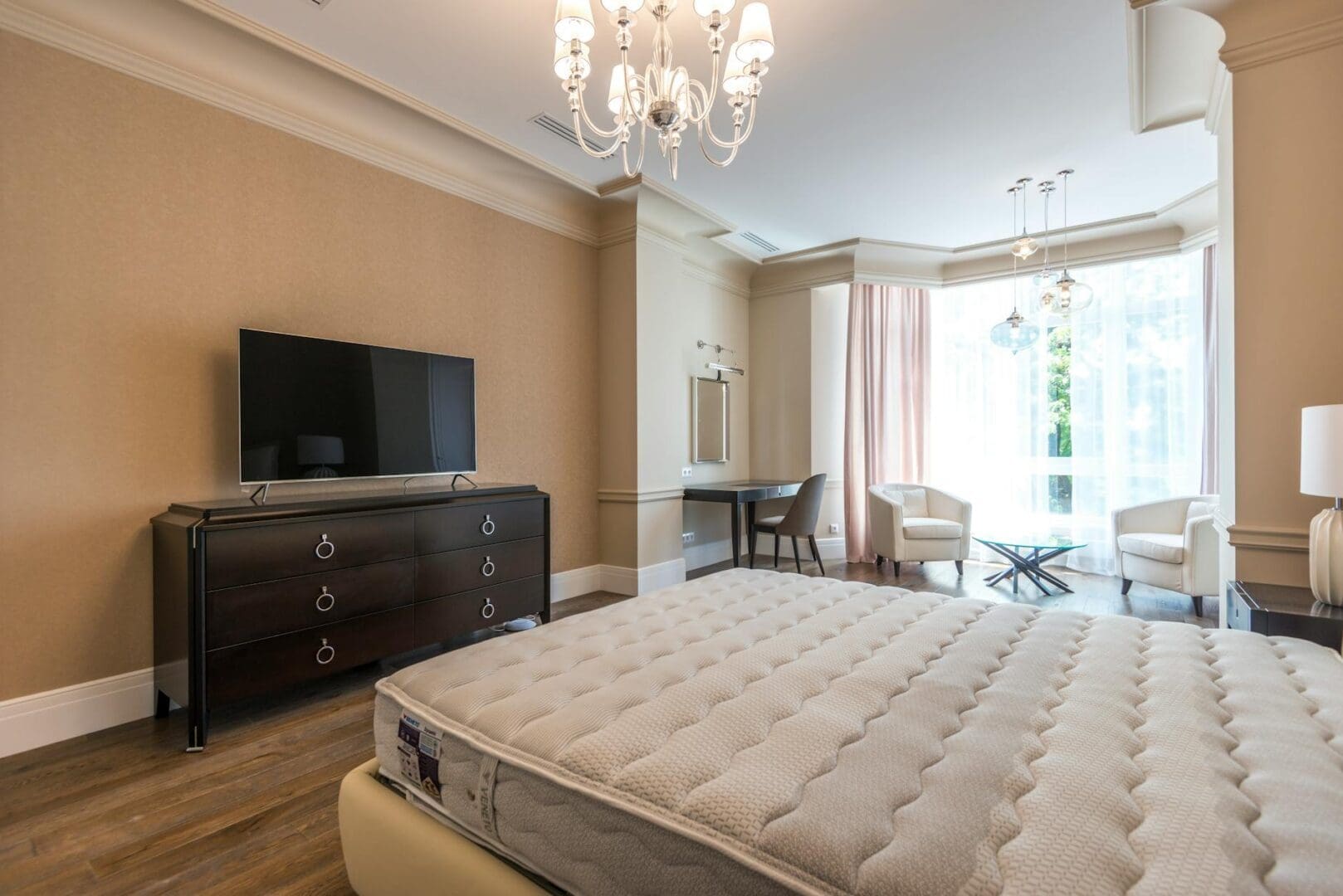
The main distinction comes down to how that extra padding layer is attached to the mattress. A pillow top features an additional cushioning layer that’s sewn onto the top of the mattress with a visible gap or seam around the edges. Picture a fluffy pillow sitting on top of your mattress—that gap creates a distinct stepped appearance when you look at the mattress from the side.
A euro top, on the other hand, has its extra padding layer flush with the edges of the mattress. The cushioning is sewn directly into the mattress construction without that gap, creating a smooth, uniform appearance from edge to edge. From across the room, a euro top looks like a slightly taller standard mattress, while a pillow top clearly shows its layered construction.
This isn’t just about aesthetics. That construction difference affects durability, support distribution, and how your fitted sheets fit.
How They Feel and Perform Over Time
Both options deliver that plush, cushioned feel that initially draws people to topped mattresses, but they age differently. Pillow tops typically offer a softer, more cloud-like surface feel because that sewn-on layer can compress more independently. If you love sinking into your mattress, a pillow top might be your pick. You’ll find them ranging from budget-friendly options around $600 to luxury models exceeding $3,000.
Euro tops generally provide firmer support with cushioning—think supportive with a soft surface rather than genuinely plush. Because the padding is integrated more uniformly into the mattress structure, euro tops tend to maintain their shape and support longer. The edges especially hold up better since the padding extends completely to the sides. These typically start around $800 and climb to $4,000+ for premium brands.
The durability factor matters more than you might think. Many pillow top owners notice sagging or compression in that sewn-on layer within 3-5 years, particularly where they sleep most often. Euro tops, with their integrated construction, often maintain consistent support for 7-10 years.
Practical Considerations for Your Bedroom
Here’s something showrooms don’t always mention: pillow tops can be fussy with bedding. That gap where the pillow top attaches creates extra bulk that standard fitted sheets sometimes struggle to accommodate. You might need deep-pocket sheets (look for at least 16-inch depth), and even then, you may wake up to corners that have popped off.
Euro tops play much nicer with standard bedding since they maintain a consistent edge-to-edge profile. Your fitted sheets are more likely to stay put through the night.
Also consider your bed frame height. Both styles add significant height to your sleeping surface—typically 2-4 inches beyond a standard mattress. If you have a tall bed frame or platform bed, you might need a step stool, especially with a euro top which tends to sit slightly taller overall.
Which One Should You Choose?
Go with a pillow top if you prioritize that immediate soft, enveloping feel and don’t mind replacing your mattress every 5-7 years. They’re great for side sleepers who want pressure relief on shoulders and hips, and they often come in at lower price points.
Choose a euro top if you want cushioning with better long-term support, plan to keep your mattress for a decade, or sleep near the edge of the bed frequently. They’re excellent for combination sleepers and anyone who wants plushness without sacrificing structural integrity.
The good news? You don’t have to guess. Most mattress retailers will let you lie on both styles for 10-15 minutes. Pay attention not just to initial comfort, but to how well the mattress supports your lower back and whether you feel cradled or supported. Your body will tell you which construction works better for how you sleep.
Shopping for a dresser for your child’s room feels different than buying one for yourself. You’re not just thinking about today—you’re wondering if it’ll survive the toddler years, hold up through elementary school, and maybe even make it to the teenage bedroom. The good news? With the right approach, you can find a dresser that […]
You’ve found the perfect bed frame, but now your old dresser looks completely out of place. Or maybe you’re starting fresh and wondering whether you need to buy a matching bedroom set. The truth is, coordinating your dresser and bed frame isn’t about finding exact matches—it’s about creating visual harmony through smart choices about style, […]
Adding a dresser to your walk-in closet can transform it from a simple hanging space into a fully functional dressing room. But unlike choosing a dresser for your bedroom, closet dressers have different requirements—they need to fit within existing dimensions, complement built-in systems, and maximize storage without creating obstacles. Whether you’re designing a new closet […]