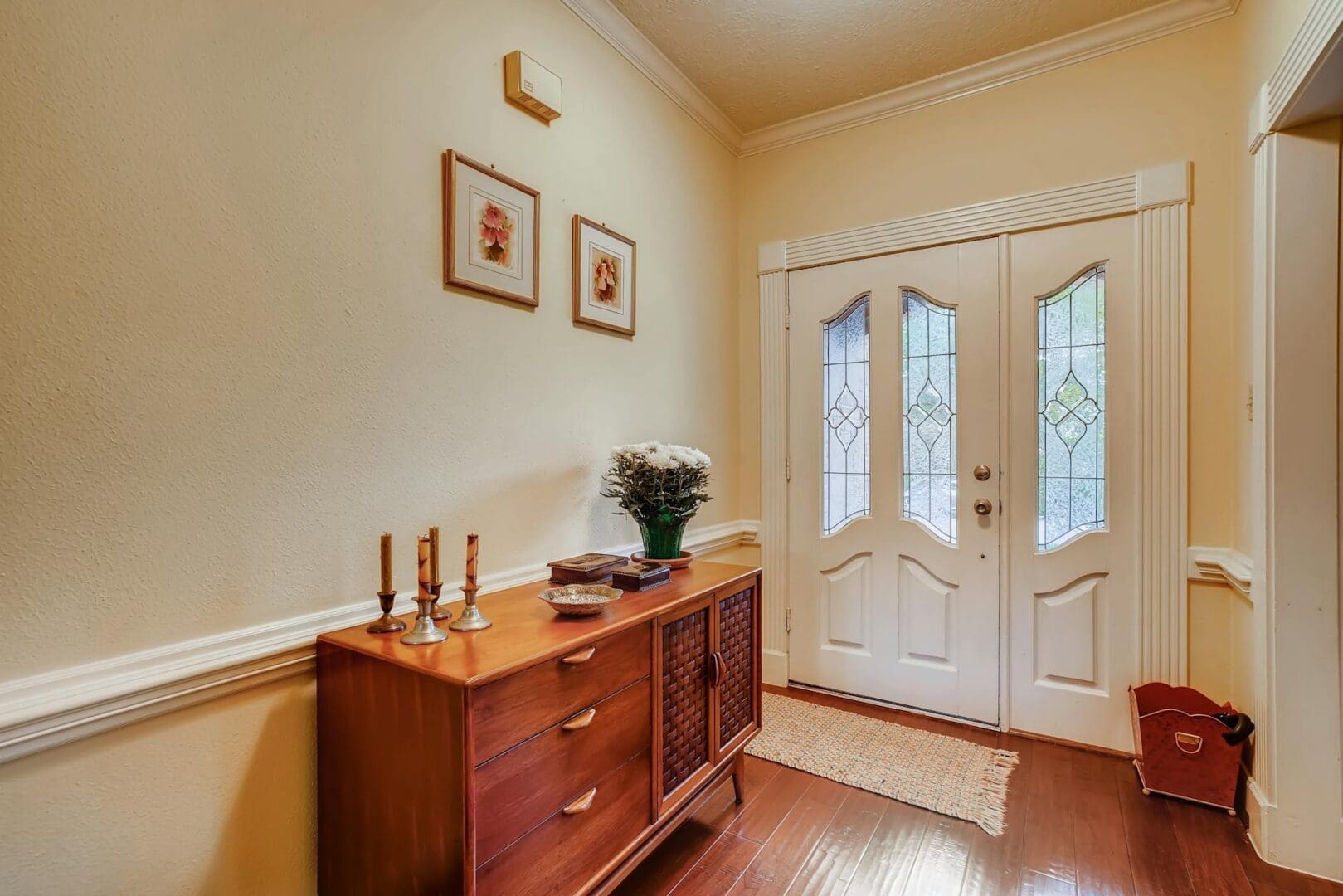
Your entryway works harder than almost any other space in your home. It’s where muddy boots land, wet umbrellas drip, and keys get tossed after a long day. The right rug can protect your floors, set the tone for your home’s style, and actually make daily life easier—but only if you choose wisely. Here’s what you need to know to find an entryway rug that looks great and stands up to real life.
Getting the Size Right for Your Space
An undersized rug looks like an afterthought, while an oversized one creates tripping hazards when it bunches against the door. For most standard entryways, you’ll want a rug that’s at least 3×5 feet—large enough to catch dirt from a few steps inside and provide a proper landing zone.
If you have a wider foyer or double doors, consider a 4×6 or 5×7 rug instead. The goal is to have your rug extend at least 12-18 inches beyond where people naturally stop after entering. This ensures they’re actually stepping onto the rug, not beside it.
For narrow hallway-style entryways, a runner (typically 2×6 or 2.5×8 feet) works better than a standard rectangular rug. Just make sure it doesn’t extend so far that it interferes with nearby doorways or furniture.
Choosing Materials That Actually Last
This isn’t the place for that delicate wool rug you’ve been eyeing. Entryways need materials that can handle moisture, dirt, and constant foot traffic without falling apart or looking shabby within months.
Natural fiber rugs made from jute, sisal, or seagrass offer excellent durability and a casual, textured look. They’re typically budget-friendly ($50-150 for standard sizes) but can be scratchy underfoot and don’t love excessive moisture. These work beautifully in covered entryways or mild climates.
Polypropylene and nylon rugs are the workhorses of high-traffic areas. They resist stains, dry quickly, and many are suitable for both indoor and outdoor use—perfect if your entry gets wet frequently. Expect to spend $80-250 for quality synthetic options that won’t mat down after a few months.
Cotton rugs are soft and machine-washable, which sounds ideal until you realize they show every speck of dirt and need frequent washing. They work best as a secondary layer over a more durable base rug or in low-traffic entry spaces.
Patterns and Colors That Hide the Mess
A pristine white rug in your entryway is a beautiful idea that will haunt you during the first rainstorm. Instead, think strategically about pattern and color.
Medium to dark colors in blues, grays, browns, or charcoal are your friends here. They camouflage the inevitable dirt between cleanings without making your space feel dark. Multicolored patterns—especially geometric designs, traditional motifs, or heathered textures—are even better at hiding soil and wear patterns.
If you love lighter rugs, look for ones with busy patterns or variegated colors rather than solid pale tones. A cream rug with a detailed pattern will maintain its fresh appearance far longer than a solid beige one.
Style Considerations Beyond Practicality
Yes, durability matters most, but your entryway rug is also the first design element guests see when they visit. It should hint at your home’s overall aesthetic without trying too hard.
Traditional homes pair well with classic Persian-style or Oriental patterns in rich colors. Modern spaces benefit from geometric patterns, stripes, or solid rugs with interesting textures. Coastal and farmhouse styles work beautifully with natural fiber rugs or simple striped patterns in navy, gray, or neutral tones.
Don’t forget about thickness. Low-pile rugs (under 0.5 inches) are easier to clean, allow doors to swing freely, and don’t create trip hazards. Save the plush, high-pile rugs for your bedroom or living room where they won’t become maintenance headaches.
Your entryway rug needs to earn its spot by being both hardworking and good-looking. Focus on materials that match your climate and traffic level, choose a size that truly fits your space, and pick colors that won’t broadcast every footprint. When you find that balance, you’ll have a rug that welcomes you home and actually stays looking presentable between cleanings.
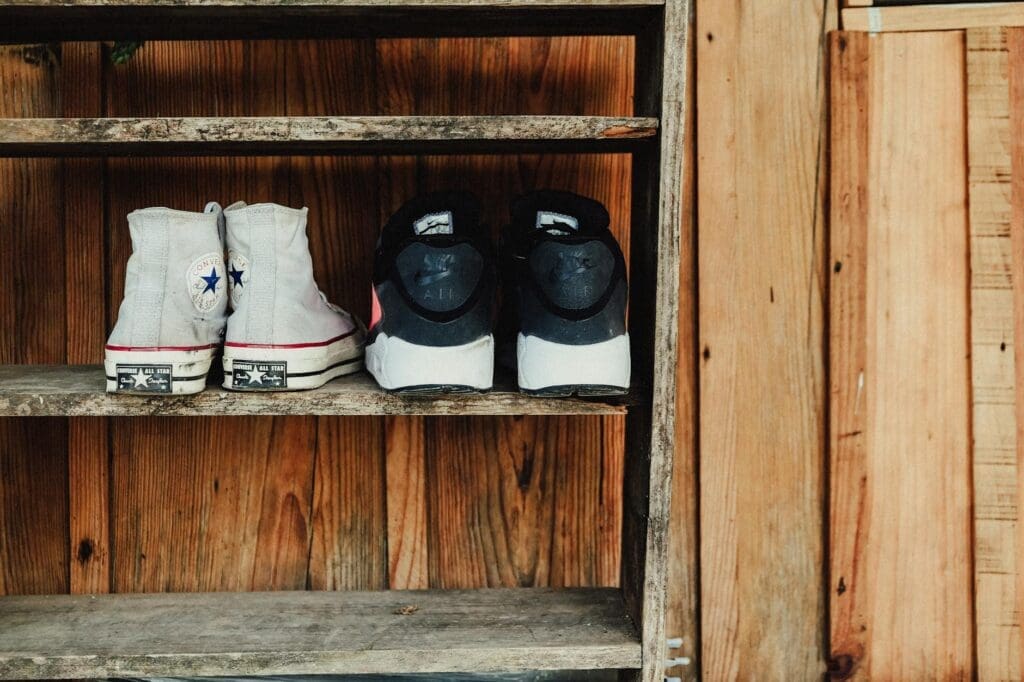
A cramped entryway with shoes scattered everywhere isn’t just frustrating—it’s usually the first thing you and your guests see when walking through the door. The good news? Even the smallest entryway can stay organized with the right shoe rack. The challenge is finding one that actually fits your space without making it feel even more […]
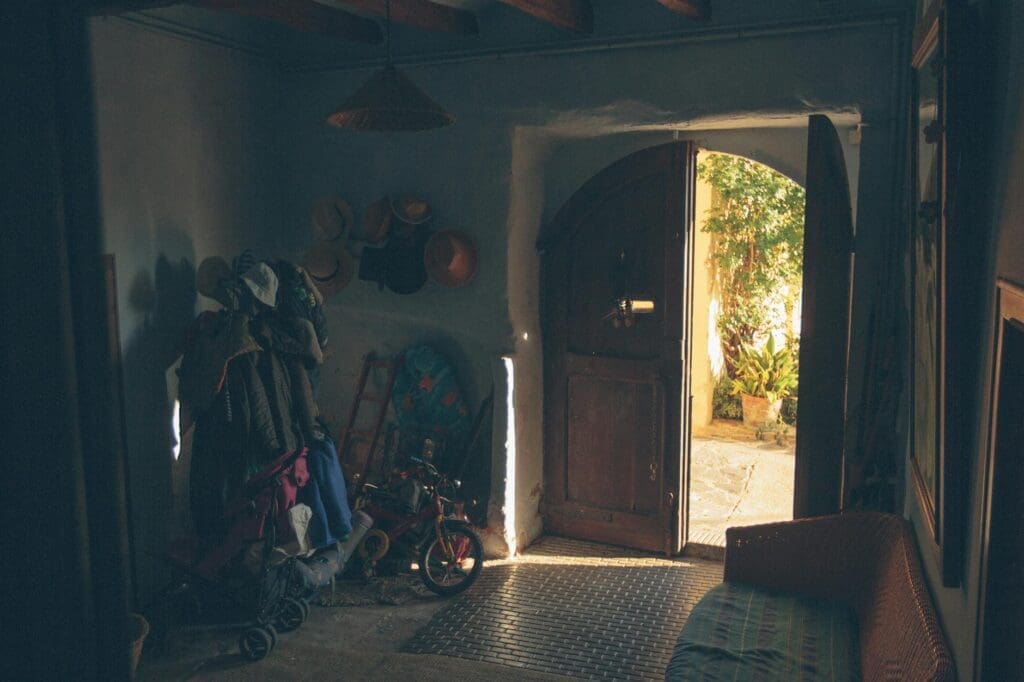
Standing in your entryway surrounded by coats draped over chairs, bags on the floor, and scarves piled on the console table? You need a proper place to hang things—but should you go with a freestanding coat rack or install wall hooks? Both solve the same basic problem, yet they work very differently in practice. Let’s […]
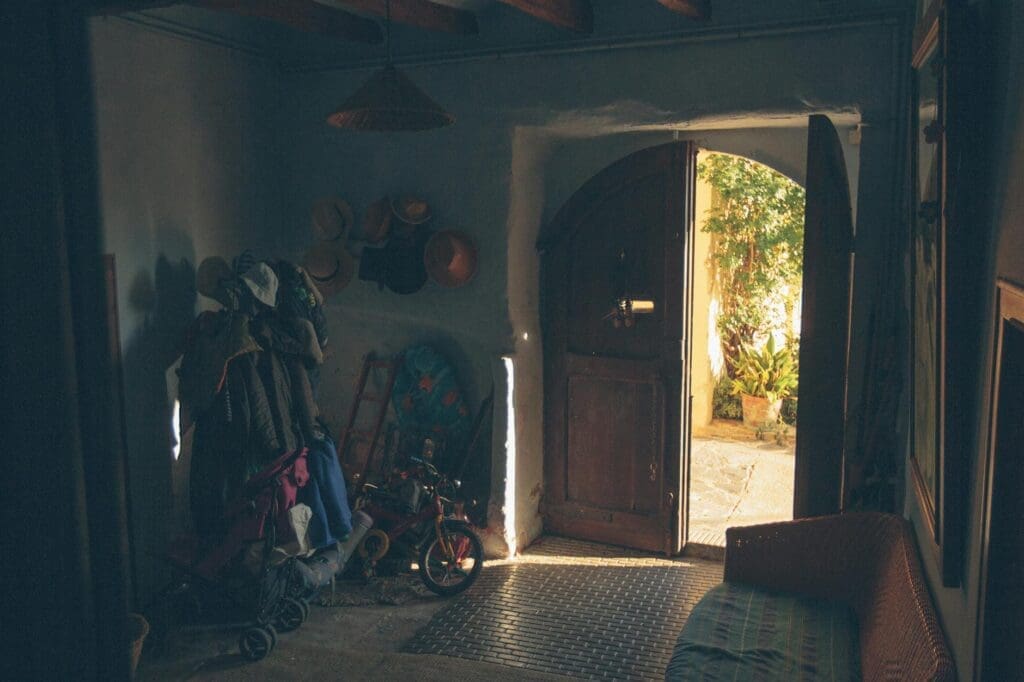
That pile of shoes by the door isn’t going to organize itself, and your coats deserve better than being draped over the nearest chair. A coat rack with built-in shoe storage solves both problems in one piece of furniture, making it perfect for entryways, mudrooms, or even bedroom corners where clutter tends to accumulate. The […]