Your entryway sets the tone for your entire home. It’s where you greet guests, drop your keys after a long day, and transition from the outside world into your personal space. Yet so many of us treat it as an afterthought—a dumping ground for shoes and mail. The good news? With a few strategic furniture pieces and decor choices, you can transform even the smallest entryway into a space that genuinely impresses.
Choose the Right Console Table or Storage Piece
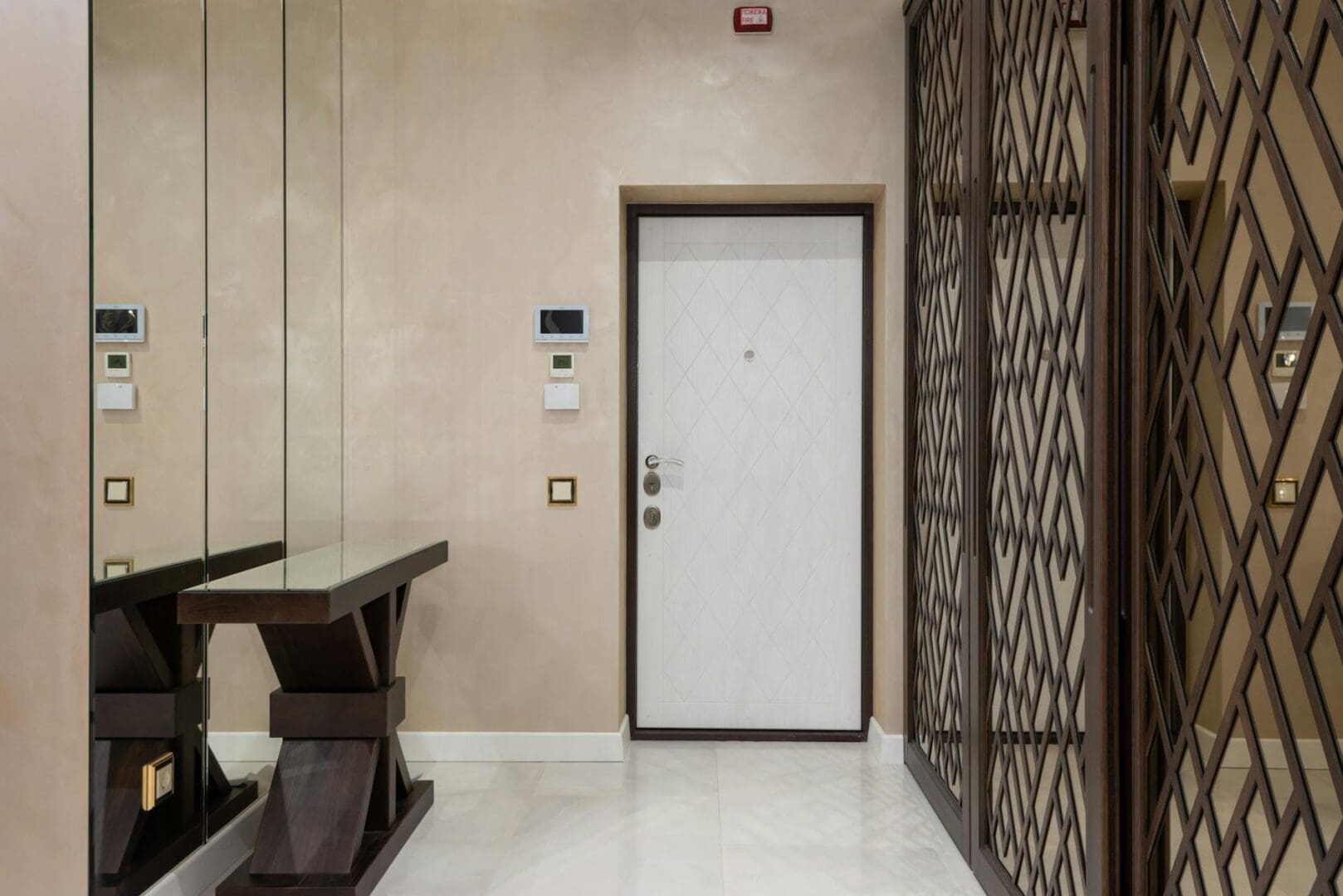
The foundation of most impressive entryways is a well-chosen console table or storage piece. If you have the space, a console table provides both visual impact and functionality. Look for one that’s proportional to your wall—ideally 30-36 inches tall and about two-thirds the width of the wall space you’re working with.
For narrow entryways, slim consoles (10-14 inches deep) won’t impede traffic flow while still giving you a surface for keys and mail. Budget-friendly options start around $150-200, while mid-range pieces in solid wood or with interesting details run $300-600. If you want to splurge on a statement piece with premium materials or designer pedigree, expect $800-1,500+.
No room for a console? Consider wall-mounted shelves with hooks underneath, a narrow bench with storage, or even a stylish coat rack. The goal is creating a designated drop zone that looks intentional rather than cluttered.
Layer Your Lighting for Ambiance and Function
Nothing disappoints quite like walking into a dimly lit or harshly over-lit entryway. Proper lighting makes your space feel welcoming while ensuring guests can see where they’re going.
Start with overhead lighting—a statement pendant or flush-mount fixture becomes an instant focal point. For standard 8-foot ceilings, look for fixtures 12-20 inches in diameter. Higher ceilings can handle larger, more dramatic pieces. Expect to spend $100-250 for quality budget fixtures, $300-700 for mid-range options with interesting materials or finishes, and $800+ for designer lighting.
Add a table lamp on your console for warm, ambient light that creates depth. This layered approach means you’re not relying solely on overhead lighting, which can feel stark. If you have wall space, sconces flanking a mirror add symmetry and sophistication.
Create a Focal Point with Mirrors and Artwork
Every impressive entryway needs something that draws the eye upward. Mirrors are the classic choice—they bounce light around, make spaces feel larger, and give you a last-minute appearance check before heading out.
For above a console table, choose a mirror that’s roughly two-thirds the width of the table. Round mirrors soften angular spaces, while rectangular mirrors complement traditional decor. Budget mirrors start around $75-150, mid-range options with quality frames run $200-500, and statement pieces can easily reach $600-1,200.
Not a mirror person? Large-scale artwork makes an equally strong statement. A single oversized piece often looks more sophisticated than a gallery wall in an entryway, though a well-curated collection can work in larger spaces.
Add Personality Through Finishing Touches
The details separate a nice entryway from one that truly impresses. A decorative tray on your console corrals keys and sunglasses while looking intentional. Add a small vase with fresh or faux stems for height and life—even simple greenery elevates the space.
A stylish catchall bowl, a stack of beautiful coffee table books, or a sculptural object adds personality without clutter. If you have floor space, a medium-sized plant (real or high-quality faux) brings warmth and fills empty corners.
Don’t forget the floor. An entry rug defines the space and protects your flooring. Choose one that’s durable and easy to clean—this is a high-traffic area. Indoor-outdoor rugs are practical yet stylish, starting around $50 for small sizes and ranging up to $300+ for larger, higher-quality options.
Creating an impressive entryway doesn’t require a complete overhaul. Start with one anchor piece—whether that’s a console table, a stunning light fixture, or a beautiful mirror—then build around it with complementary elements. Focus on pieces that serve double duty, providing both function and visual appeal. Your entryway might be small, but its impact on your home’s overall feel is anything but.
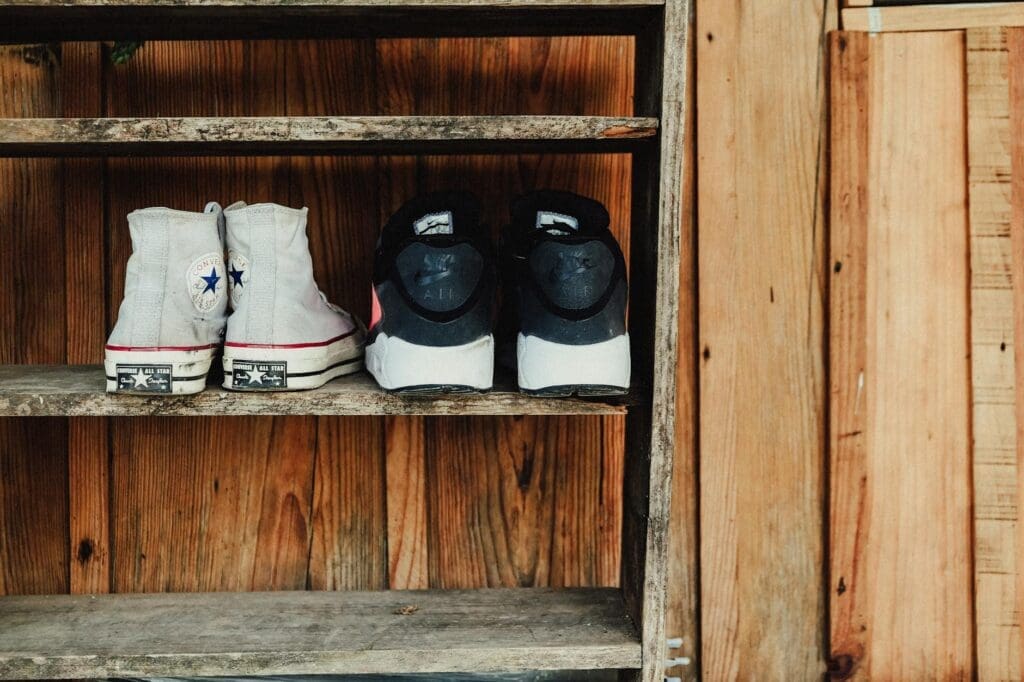
A cramped entryway with shoes scattered everywhere isn’t just frustrating—it’s usually the first thing you and your guests see when walking through the door. The good news? Even the smallest entryway can stay organized with the right shoe rack. The challenge is finding one that actually fits your space without making it feel even more […]
That pile of shoes by the door isn’t going to organize itself, and your coats deserve better than being draped over the nearest chair. A coat rack with built-in shoe storage solves both problems in one piece of furniture, making it perfect for entryways, mudrooms, or even bedroom corners where clutter tends to accumulate. The […]
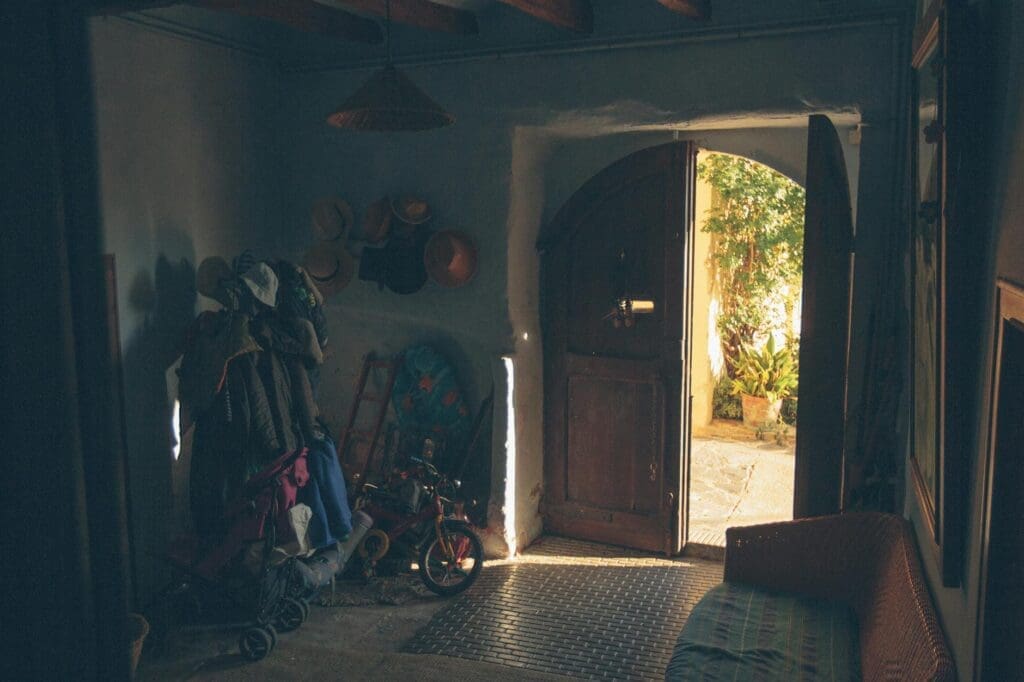
A cramped entryway doesn’t mean you’re doomed to trip over piles of coats or hunt for misplaced keys every morning. The right coat rack can transform even the tiniest entry into an organized, welcoming space. The challenge is finding one that holds what you need without making your small entryway feel even smaller. Consider Your […]