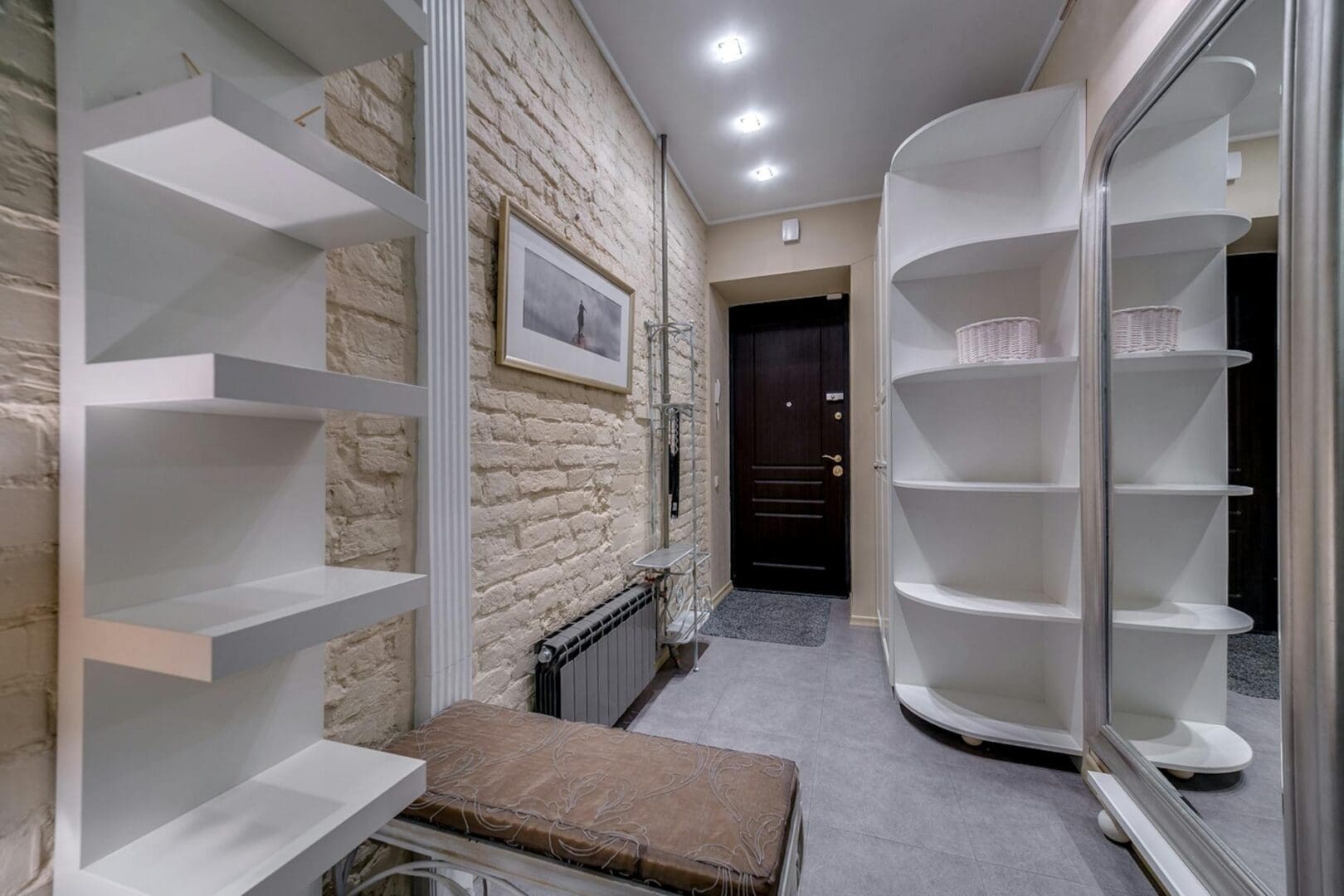
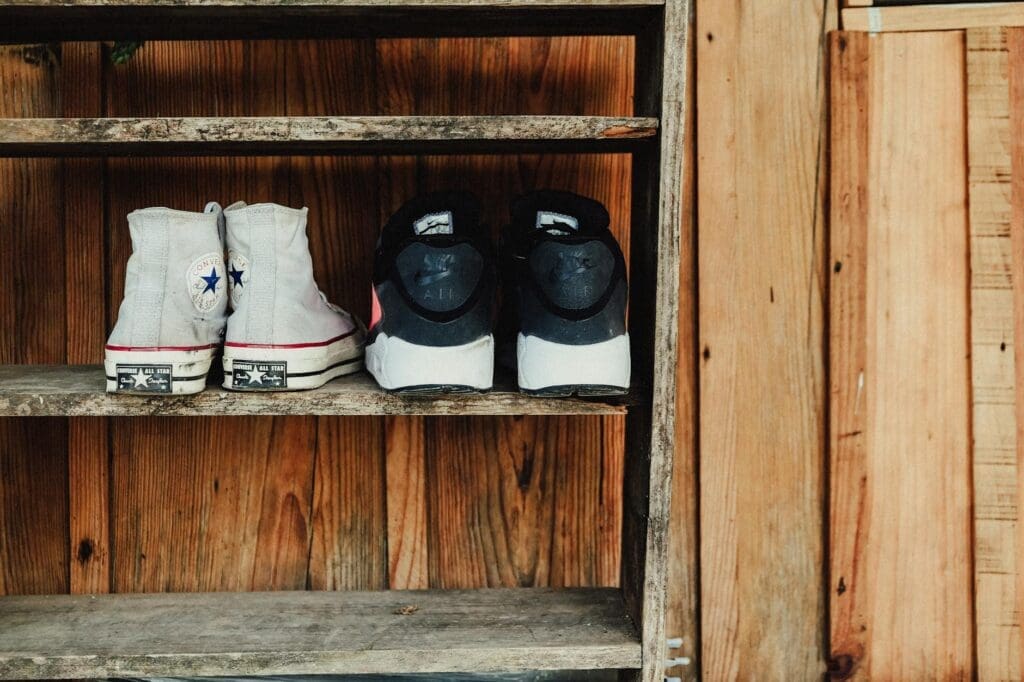
That awkward space by your front door doesn’t have to be a dumping ground for shoes, bags, and jackets. An entryway bench with built-in storage transforms chaos into order while giving you a proper spot to sit down and tie your shoes. The trick is finding one that actually fits your space and handles your household’s daily reality.
Sizing Your Entryway Bench
Before falling in love with a beautiful bench online, grab your measuring tape. The standard entryway bench sits 18 to 20 inches tall—the sweet spot for comfortable seating—and 14 to 17 inches deep. Length matters most, though, since it determines both seating capacity and storage volume.
For tight entryways or apartments, look for compact benches in the 36 to 42-inch range. These work perfectly for one adult and maybe a child, with room underneath for a few pairs of shoes. Mid-sized benches (48 to 60 inches) fit most standard entryways and comfortably seat two adults. If you’re blessed with a generous entryway or mudroom, benches over 60 inches provide serious storage and seating for the whole family.
Don’t forget clearance space. You’ll want at least 30 inches in front of your bench so people can actually sit down without bumping into the opposite wall or furniture.
Storage Styles That Actually Work
Not all storage benches are created equal, and the right configuration depends on what you’re actually storing. Lift-top benches offer one large compartment under the seat—ideal for bulky items like winter scarves, dog leashes, or reusable shopping bags. They’re simple and affordable, typically ranging from $80 to $200 for budget options and $250 to $500 for solid wood versions.
Cubbies and open shelving underneath keep shoes visible and accessible, which is genuinely helpful when you’re rushing out the door. These work best for households that can maintain some organization. Expect to pay $150 to $400 for cubby-style benches, depending on materials and finish quality.
Benches with drawers or closed cabinets hide clutter completely and look more polished in formal entryways. The tradeoff? They cost more—usually $300 to $800—and accessing items takes an extra step. For families with kids, consider benches with both open cubbies for daily shoes and closed storage for seasonal items or things you’d rather keep out of sight.
Materials and Durability Considerations
Your entryway takes a beating, so material choice matters more here than in your living room. Solid wood benches—think oak, maple, or walnut—handle daily use beautifully and last for decades. They start around $300 and climb to $1,000-plus for heirloom-quality pieces with dovetail joinery and hand-rubbed finishes.
Engineered wood or MDF benches work fine for lighter use and cost significantly less, typically $100 to $300. Just check that high-contact areas like the seat have a durable finish or upholstery, since these materials show wear faster than solid wood.
Upholstered seats add comfort, but choose wisely. Performance fabrics resist stains and moisture—essential if you live somewhere rainy or snowy. Leather and faux leather wipe clean easily, making them practical for households with kids or pets. Skip delicate fabrics like velvet or linen for entryways unless you’re committed to frequent cleaning.
Metal frames with wood or upholstered seats bring industrial style and serious durability. These typically fall in the $200 to $500 range and hold up exceptionally well in busy households.
Matching Your Entryway’s Personality
Your entryway bench sets the tone for your entire home, so it should complement your existing style without demanding attention. For modern or minimalist spaces, look for clean lines, simple silhouettes, and neutral upholstery. Benches with metal legs and slim profiles keep the look uncluttered.
Traditional and farmhouse entryways shine with benches featuring turned legs, plank-style construction, or cottage-inspired details. Distressed finishes and natural wood tones work beautifully here. Transitional styles bridge the gap with simple frames in warm wood tones and neutral cushions.
Don’t be afraid to add personality through small details. Nailhead trim, contrasting piping, or decorative hardware can elevate a basic bench without overwhelming a small space. And remember: a bench with storage hooks mounted above it creates a complete entry system that’s both functional and pulled-together.
The right entryway bench does double duty—it gives you somewhere to sit while corralling the everyday items that otherwise end up scattered across your floor. Measure carefully, think about what you’re storing, and choose materials that can handle your household’s real life. When you find that perfect combination of form and function, you’ll wonder how you ever managed without it.
A cramped entryway with shoes scattered everywhere isn’t just frustrating—it’s usually the first thing you and your guests see when walking through the door. The good news? Even the smallest entryway can stay organized with the right shoe rack. The challenge is finding one that actually fits your space without making it feel even more […]
That pile of shoes by the door isn’t going to organize itself, and your coats deserve better than being draped over the nearest chair. A coat rack with built-in shoe storage solves both problems in one piece of furniture, making it perfect for entryways, mudrooms, or even bedroom corners where clutter tends to accumulate. The […]
A cramped entryway doesn’t mean you’re doomed to trip over piles of coats or hunt for misplaced keys every morning. The right coat rack can transform even the tiniest entry into an organized, welcoming space. The challenge is finding one that holds what you need without making your small entryway feel even smaller. Consider Your […]