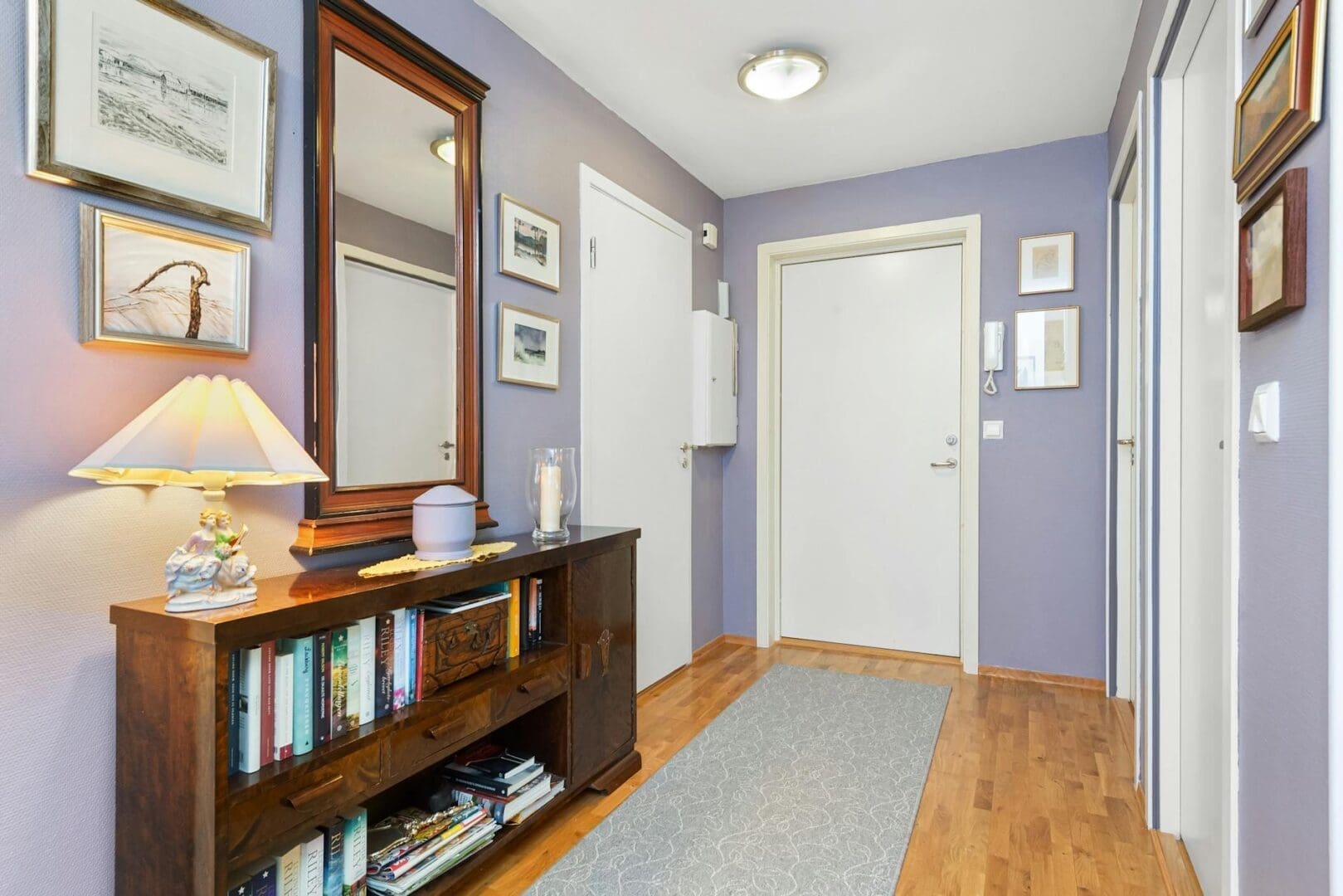
Walking straight into your living space, kitchen, and bedroom all at once can make a studio apartment feel chaotic. Without a defined entryway, you’re dumping keys on the coffee table, kicking off shoes wherever, and stacking mail on the counter. The good news? You can carve out a proper landing zone even in the most compact studio—it just takes a little strategic furniture placement and the right pieces.
Define Your Zone With Furniture Placement
The first step is deciding where your entryway should live. Look at your studio’s layout and identify the natural landing spot when you walk through the door. Even if it’s just a narrow stretch of wall or an awkward corner, that’s your entryway zone.
A slim console table is your best friend here. Look for pieces that are 10-12 inches deep—narrow enough to hug the wall without eating up precious floor space. Place it perpendicular to or along the wall nearest your door to create that psychological boundary between “outside” and “home.” If you’re really tight on space, a wall-mounted floating shelf (around 8 inches deep) can serve the same purpose without any floor footprint. Budget options start around $50-80, while solid wood consoles run $200-400.
Behind or beside your console, consider adding a room divider or bookshelf to physically separate your entryway from your living area. Open bookcases work beautifully because they define space without blocking light—crucial in a studio. A 4-5 shelf unit positioned strategically can create the illusion of separate rooms.
Maximize Vertical Storage
When you’re working with 400 square feet, every inch of wall space counts. Your makeshift entryway needs to work hard, which means going vertical with storage.
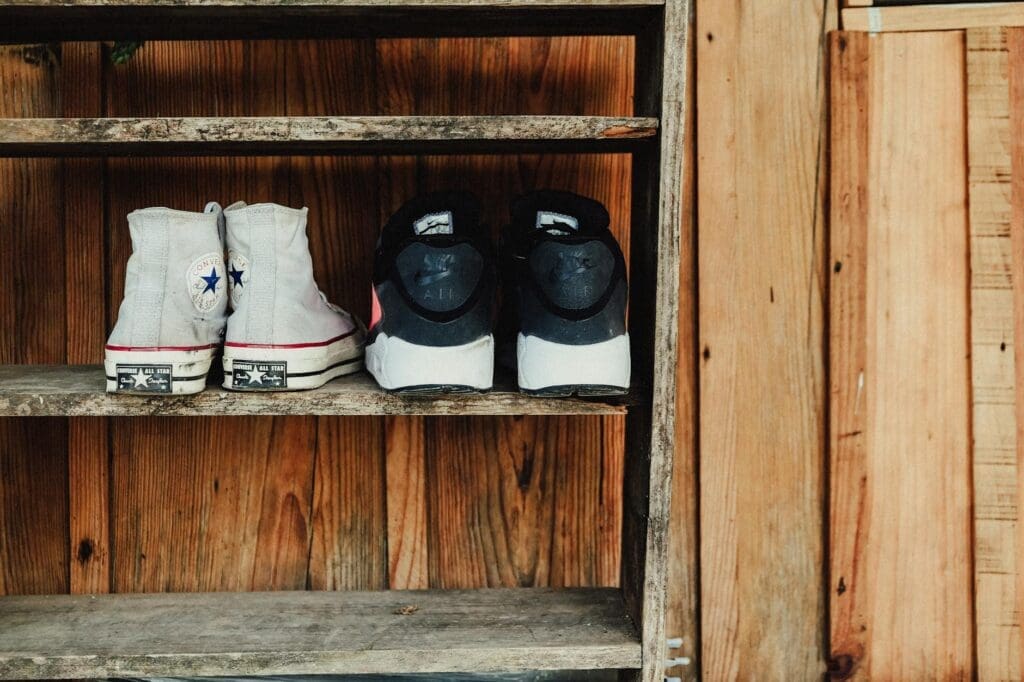
Mount a row of wall hooks or a coat rack at eye level for jackets, bags, and umbrellas. Multi-hook rails run $30-60 and install in minutes. Below that, add a small shoe cabinet or bench with storage underneath. Slim shoe cabinets (about 12 inches deep) can hold 12-16 pairs while doubling as a surface for keys and mail. Expect to spend $80-150 for particleboard options or $200-350 for wood.
If you can swing it, a narrow hall tree combines hooks, a small bench, and storage in one vertical footprint—usually just 18-24 inches wide. These all-in-one pieces typically range from $120-300 depending on materials and finish.
Don’t forget the space above eye level. A floating shelf 6-7 feet up gives you a spot for decorative baskets that can hide seasonal items, dog leashes, or reusable shopping bags you actually remember to grab on your way out.
Add Visual Boundaries With Rugs and Lighting
Furniture creates physical separation, but rugs and lighting make your entryway feel intentional—like it was always meant to be there.
A small area rug (3×5 or 2×6 feet) anchors your entryway and signals “this is where you transition.” Choose something durable and easy to clean since it’ll catch dirt from outside. Flatweave or low-pile rugs work better than plush options in high-traffic zones. You’ll find decent indoor-outdoor rugs starting around $40, with natural fiber options like jute or sisal in the $80-150 range.
Lighting makes a huge difference in defining the space. If you can’t install overhead lighting, a small table lamp on your console creates ambiance and makes finding your keys at night much easier. Wall sconces are another renter-friendly option if you use plug-in versions—they add that “real entryway” feeling without electrical work. Look for compact designs that don’t protrude more than 6-8 inches from the wall.
Keep It Functional and Clutter-Free
The whole point of creating an entryway is giving everything a proper home, so resist the urge to over-decorate. Your studio entryway should include a catch-all tray or small bowl for keys and sunglasses, a mirror (which also makes the space feel larger), and maybe one decorative element like a small plant or piece of art.
A leaning mirror is perfect for studios because it doesn’t require wall mounting and can be moved if you rearrange. Full-length versions (around 65 inches tall) lean against the wall and serve double duty for outfit checks before you head out. These typically run $60-200 depending on frame quality.
The key is maintaining your system. When your entryway works for your actual habits—whether that’s a basket for dog walking supplies or a specific spot for your work bag—you’ll actually use it, and your whole studio will feel more organized.
Creating an entryway in a studio isn’t about sacrificing living space—it’s about using 10-15 square feet strategically to make the entire apartment function better. With the right slim-profile furniture and a clear plan, you can have that “coming home” moment even in the smallest space.
A cramped entryway with shoes scattered everywhere isn’t just frustrating—it’s usually the first thing you and your guests see when walking through the door. The good news? Even the smallest entryway can stay organized with the right shoe rack. The challenge is finding one that actually fits your space without making it feel even more […]
That pile of shoes by the door isn’t going to organize itself, and your coats deserve better than being draped over the nearest chair. A coat rack with built-in shoe storage solves both problems in one piece of furniture, making it perfect for entryways, mudrooms, or even bedroom corners where clutter tends to accumulate. The […]
A cramped entryway doesn’t mean you’re doomed to trip over piles of coats or hunt for misplaced keys every morning. The right coat rack can transform even the tiniest entry into an organized, welcoming space. The challenge is finding one that holds what you need without making your small entryway feel even smaller. Consider Your […]