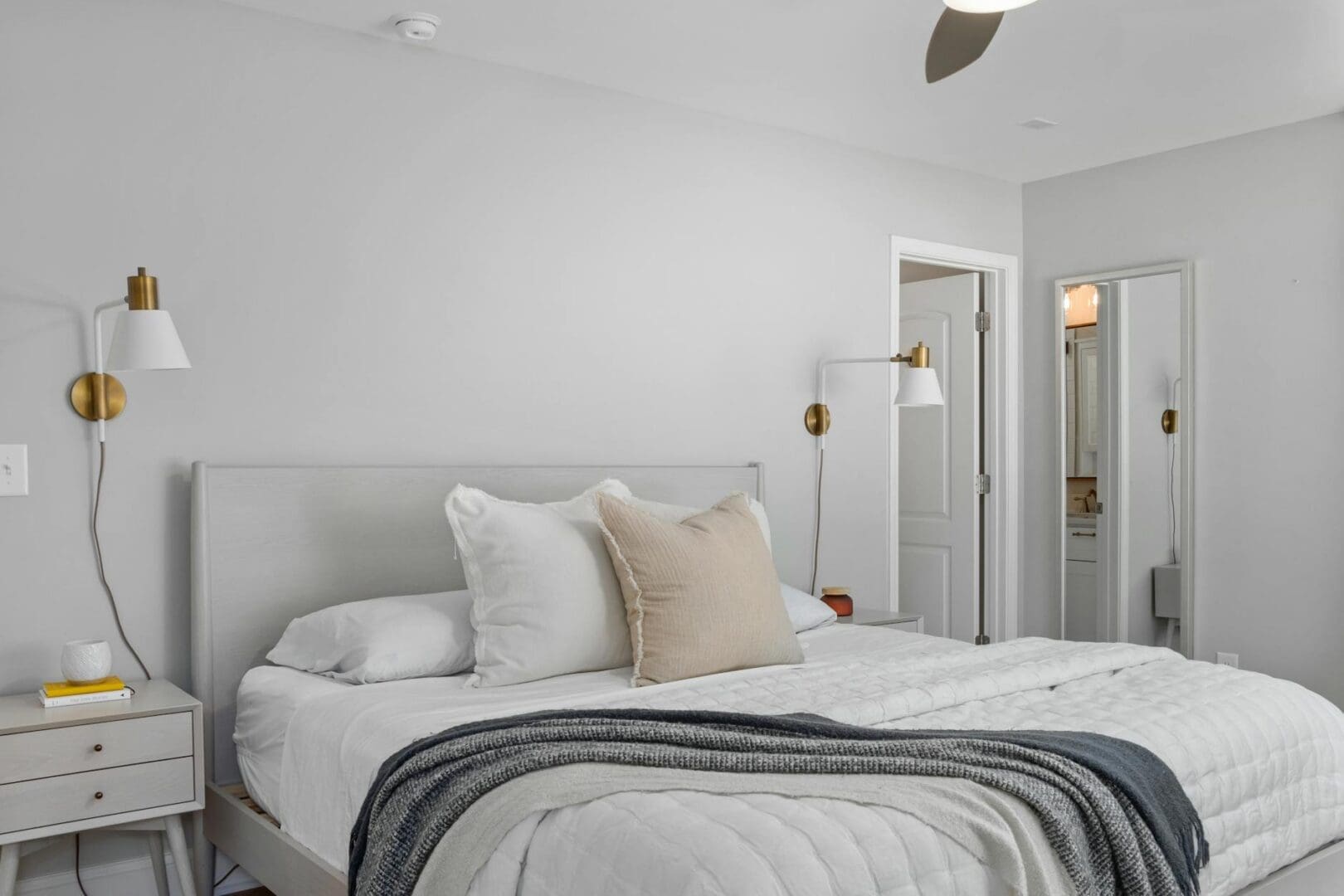
There’s something quietly frustrating about wanting to read in bed while your partner sleeps, or needing just a bit more light at your desk without taking up precious surface space. A good clip-on reading light solves these problems elegantly, but walk into any store (or browse online) and you’ll face dozens of options with wildly different features and price points. Here’s what actually matters when you’re shopping.
Brightness and Light Quality
The whole point of a reading light is comfortable illumination, so this is where you should focus first. Look for lights with at least 400 lumens for comfortable reading—anything less and you’ll find yourself squinting. Many quality options now offer three to five brightness levels, which is genuinely useful when you’re switching between reading a paperback and checking your phone.
Color temperature matters more than most people realize. Warm white light (2700-3000K) feels cozy but can make you drowsy, while cool white (4000-5000K) keeps you alert but might feel clinical. The sweet spot for reading is usually around 3500K, though adjustable color temperature gives you the flexibility to match your mood and time of day. Budget options typically stick with one color temperature, while mid-range and premium lights ($25-$60) often include this adjustment feature.
Pay attention to whether the light is LED—it should be, as LEDs stay cool to the touch, last for years, and won’t drive up your electricity bill even with nightly use.
Clip Strength and Positioning Flexibility
A clip-on light is only useful if it actually stays where you put it. Check the maximum opening width of the clip—most range from 1.5 to 2.5 inches. If you’re clipping to a thick headboard, desk shelf, or padded surface, you’ll need the wider opening. The clip should have padding or rubberized grips to protect your furniture and prevent slipping.
The neck or arm is just as important as the clip itself. Gooseneck designs offer flexible positioning but can droop over time with heavier light heads. Articulated arms with multiple joints hold their position better and give you precise control, though they typically cost $10-$20 more. Look for arms at least 12 inches long—shorter ones limit your positioning options more than you’d expect.
Consider where the light will actually sit. For bedside reading, you want enough reach to angle the light over your book without the clip being right in your face. For desk work or crafting, you might need a wider coverage area and the ability to swing the light out of the way when not in use.
Power Source and Portability
Clip-on reading lights come in three power configurations, each with trade-offs. Plug-in models offer unlimited runtime and consistent brightness, but you’re tethered to an outlet—fine for a nightstand or desk, limiting for anywhere else.
Rechargeable battery lights give you freedom to clip them anywhere and take them traveling. Most run 3-6 hours on a single charge at full brightness, longer at dimmer settings. This is plenty for nightly reading, though you’ll need to remember to recharge every few days. Expect to pay $20-$50 for rechargeable options with decent battery life.
Replaceable battery models (usually AAA) are the most portable and never need charging, but ongoing battery costs add up, and brightness often dims as batteries drain. These work well for occasional use or travel but aren’t ideal as your primary reading light.
Style and Build Quality
You’ll be looking at this light every day, so choose something that doesn’t clash with your space. Modern clip-on lights come in sleek metal finishes, minimalist white designs, and even wood-accented styles that work with various decor aesthetics.
Build quality varies significantly. Budget options under $15 often use thin plastic that cracks or clips that loosen within months. Mid-range lights ($20-$40) typically feature metal construction and sturdier components that last for years. The difference in longevity easily justifies the higher price.
Touch controls are convenient but can be finicky on cheaper models. Physical buttons or switches are more reliable. Some lights include timers that automatically shut off after 30 or 60 minutes—helpful if you tend to fall asleep while reading.
The right clip-on reading light comes down to matching features with your specific situation. If you’re reading in bed nightly, invest in a rechargeable model with adjustable brightness and color temperature. For occasional use or travel, a simpler battery-powered option works fine. Either way, prioritize good light quality and a sturdy clip over bells and whistles you won’t actually use.
You need more storage in your living room, but a bulky bookcase feels too heavy and floating shelves aren’t cutting it. A credenza might be exactly what you’re looking for—it’s that low-profile cabinet that gives you tons of hidden storage while creating a beautiful surface for lamps, plants, and the things you actually want to […]
If you’ve been hitting snooze repeatedly or dragging yourself out of bed feeling groggy, you’re not alone. Waking up to a jarring alarm in a dark room works against your body’s natural rhythms, especially during winter months. A sunrise alarm clock mimics natural dawn, gradually filling your room with light to ease you awake. But […]
Waking up at 3 a.m. with a sweaty neck and flipping your pillow to the cool side for the fourth time isn’t just annoying—it’s robbing you of quality sleep. If you’re a hot sleeper, your pillow might be trapping heat against your head and neck all night long. The good news? The right cooling pillow […]