Your backyard has evolved from a simple patch of grass into a true extension of your home. As we move into 2026, outdoor spaces are getting smarter, more sustainable, and infinitely more livable. Whether you’re planning a complete backyard overhaul or just refreshing a few key pieces, these emerging trends will help you create an outdoor space that feels both current and timeless.
Multi-Zone Outdoor Living Takes Center Stage
The days of a single patio set plopped in the middle of your deck are behind us. The biggest trend shaping 2026 backyards is the creation of distinct zones for different activities—think of it as an open-concept floor plan, but outside.
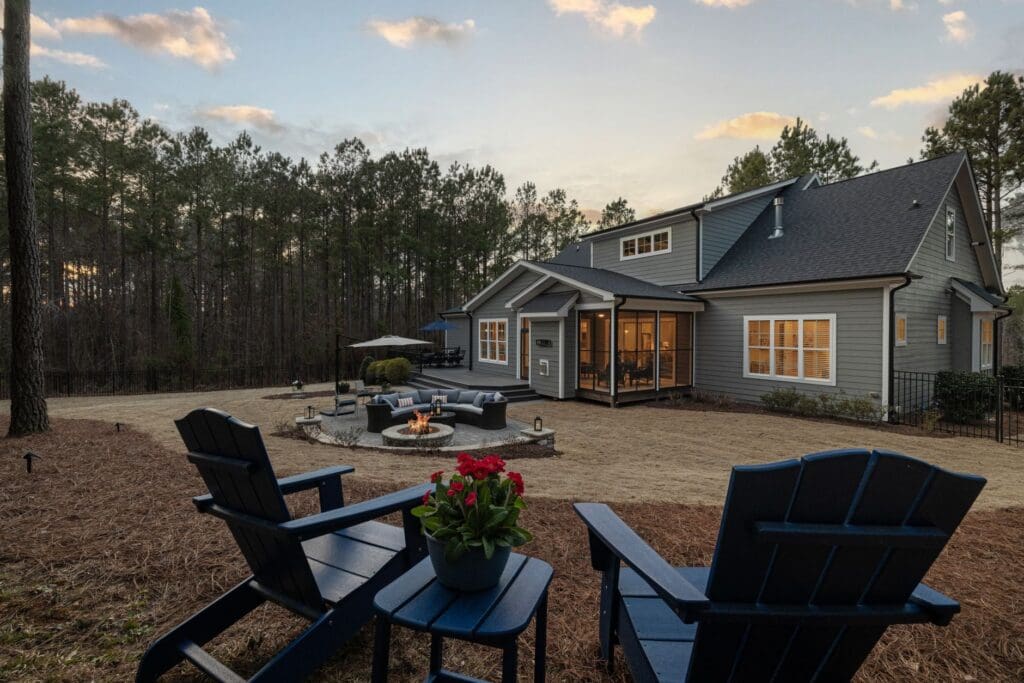
Look for modular sectional seating that can define a conversation area, separate dining furniture for alfresco meals, and dedicated lounge zones with daybeds or hanging egg chairs. Fire pit areas are evolving beyond simple stone circles into fully designed rooms with built-in seating and overhead pergolas. Budget-friendly modular pieces start around $800-$1,200 for a sectional set, while high-end teak or powder-coated aluminum collections can run $3,000-$6,000.
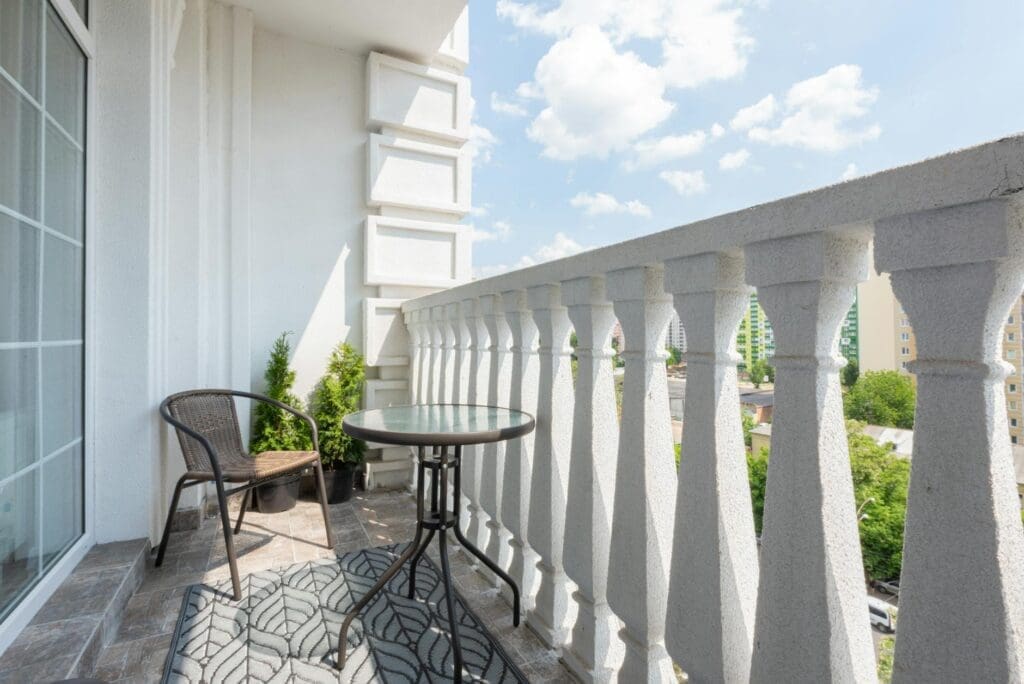
The key is creating visual separation without walls—use outdoor rugs (now available in incredibly durable materials), planters as dividers, and changes in flooring material to signal different zones. This approach works whether you have a sprawling yard or a compact urban patio.
Sustainable and Low-Maintenance Materials Dominate
Sustainability isn’t just a buzzword anymore—it’s driving real purchasing decisions. For 2026, expect to see recycled plastic lumber, responsibly sourced teak with FSC certification, and powder-coated recycled aluminum taking over traditional materials.
Composite decking continues to gain ground over traditional wood, requiring zero staining or sealing while lasting decades. Look for brands offering realistic wood grain textures in muted tones like driftwood gray and weathered cedar. Prices typically range from $8-$15 per square foot installed.
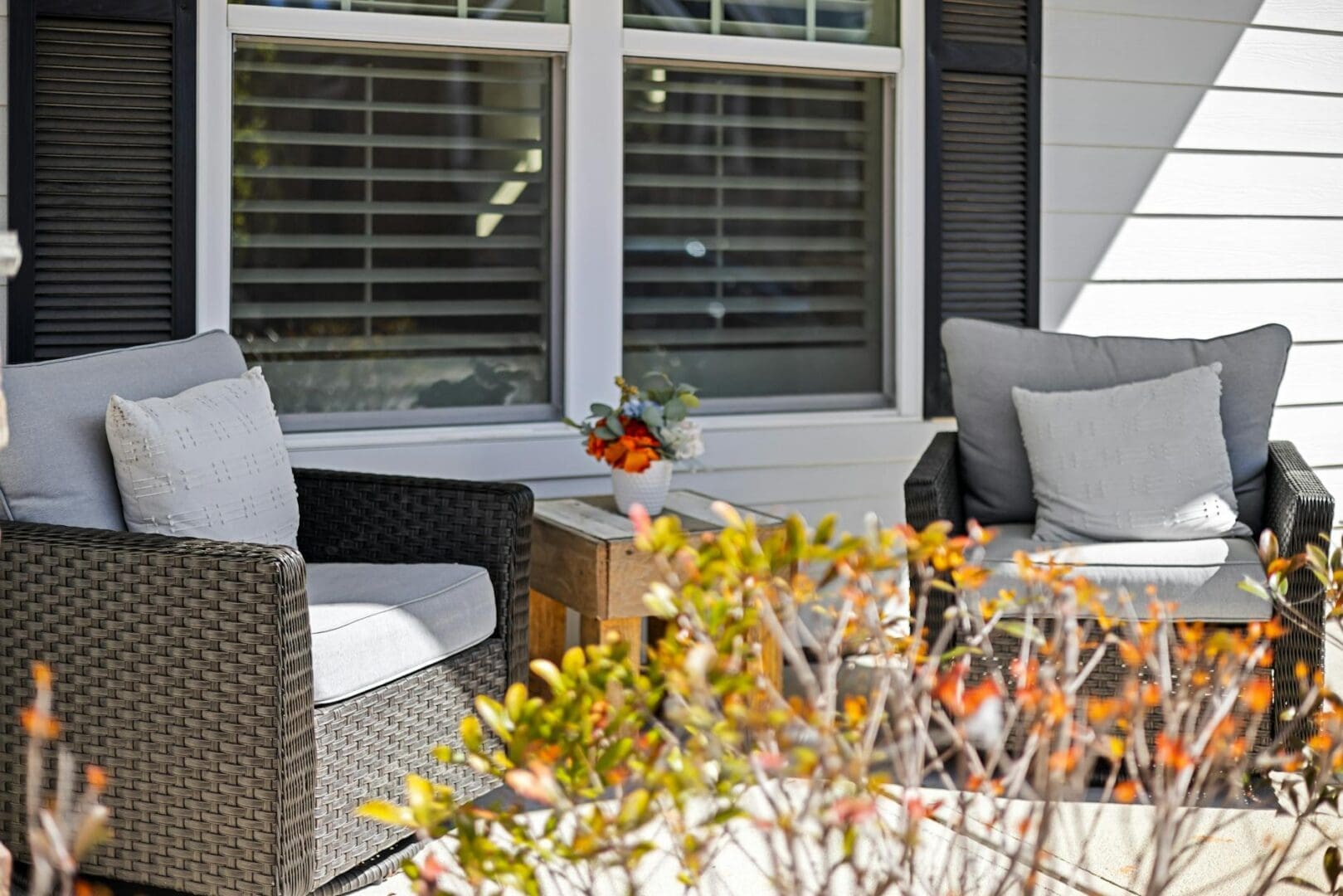
For furniture, all-weather wicker made from recycled HDPE plastics offers the classic woven look without the deterioration. These pieces withstand UV rays, moisture, and temperature swings while requiring nothing more than a quick hose-down. Mid-range sets typically cost $1,500-$2,500 for a full seating arrangement.
Porcelain pavers are another low-maintenance winner, offering the look of natural stone or wood without the upkeep. They’re stain-resistant, frost-proof, and available in large-format sizes that minimize grout lines.
Mood Lighting Creates Ambiance After Dark
Outdoor lighting has moved far beyond basic spotlights and string lights. The 2026 backyard embraces layered lighting that creates genuine ambiance while extending usable hours well past sunset.
Dimmable LED systems let you adjust brightness throughout the evening, while color-changing options allow you to shift from energizing whites during dinner to warm ambers as the night progresses. Smart systems starting around $400-$600 can be controlled via smartphone, letting you create preset scenes for different occasions.
Look for integrated lighting in unexpected places: under bench seating, within planter boxes, along stair risers, and inside pergola beams. Linear LED strips provide modern, architectural illumination, while Edison-style bulbs in pendant fixtures add vintage warmth. Portable, rechargeable table lamps (typically $80-$200) offer flexibility to move light exactly where you need it.
Solar pathway lights have also evolved dramatically, now offering genuine illumination rather than just decorative glimmers. Quality solar fixtures range from $30-$80 each and eliminate wiring headaches entirely.
Biophilic Design Blurs Indoor-Outdoor Boundaries
The hottest trend might be the most natural one: bringing more living greenery into your outdoor design scheme. Vertical gardens, living walls, and lush container groupings create cocoon-like environments that feel restorative and private.
Modular planter systems with built-in irrigation make maintaining green walls manageable, with prices starting around $200-$400 for starter kits. Oversized planters—think 24-36 inches in diameter—create instant impact with small trees or dramatic grasses. Look for lightweight fiberglass or resin options that mimic concrete or terracotta but won’t crack in freeze-thaw cycles, typically running $150-$400 each.
Natural fiber textiles are also crossing the threshold. Indoor-outdoor fabrics now include linen-look weaves and bouclé textures that feel luxurious but resist fading and mildew. Cushions and throw pillows in these materials bridge the gap between inside comfort and outside durability, usually priced $40-$120 per piece.
Your backyard is too valuable to leave as an afterthought. These 2026 trends all point toward outdoor spaces that work harder, last longer, and feel genuinely inviting. Start with the zone that matters most to you—whether that’s a cozy conversation area or a dedicated dining spot—and build from there with materials and lighting that match how you actually live outside.
You’ve fallen for the classic look of Adirondack chairs, but now you’re stuck at the fork in the road: traditional wood or modern poly? It’s not just about aesthetics—this decision affects how much time you’ll spend on maintenance, how long your chairs will last, and whether you’ll be repainting in two years or still enjoying […]
There’s something wonderfully ironic about the Adirondack chair’s origin story. Back in 1903, Thomas Lee was vacationing in Westport, New York, frustrated by the lack of comfortable outdoor seating that could handle the sloped terrain of his property. So he built a wide-backed, slatted chair with a reclined seat—and accidentally created an icon. Today, you’ll […]
Nothing pulls together a patio quite like an outdoor rug—it defines your seating area, adds comfort underfoot, and makes the whole space feel more intentional. But get the size wrong, and it can look like a bath mat floating in the middle of your deck or a carpet that swallows your furniture whole. The good […]