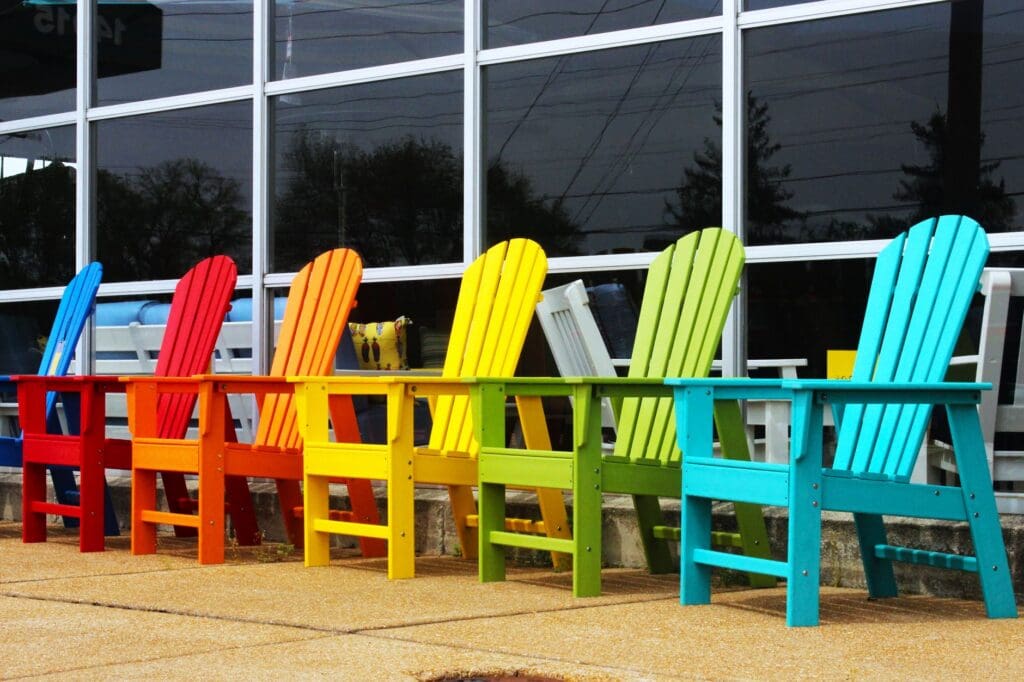
There’s something wonderfully inviting about Adirondack chairs—those wide-armed, reclined beauties that promise lazy afternoons with a good book. But here’s the thing: not all Adirondack chairs are created equal when it comes to actual comfort. Some leave you shifting around after ten minutes, while others feel like they were custom-made for your body. If you’re ready to invest in seating that delivers on the comfort promise, here’s what you need to know before you buy.
The Anatomy of a Comfortable Adirondack Chair
The classic Adirondack silhouette might look simple, but small design variations make a huge difference in how they feel. The best comfortable Adirondack chairs have a seat angle between 30-35 degrees—enough recline to relax without feeling like you’re sliding out. Look for contoured seats that follow your body’s natural curves rather than flat slats that create pressure points.
Armrest width matters more than you’d think. Comfortable chairs typically have armrests that are at least 5 inches wide, giving you a place to rest a drink, book, or your arms without feeling cramped. The armrests should sit at a height that lets your shoulders relax naturally—usually around 7-8 inches above the seat.
Pay attention to seat depth, too. A seat that’s 18-20 inches deep works well for most adults. Anything shallower and you’ll feel perched; anything deeper and shorter folks will struggle to sit back comfortably. And here’s a detail many people overlook: check whether the chair has a waterfall edge (a gentle downward slope) at the front of the seat. This prevents the edge from cutting into the backs of your legs during long sitting sessions.
Materials That Make a Difference
The material you choose affects both comfort and longevity, so think about how you’ll actually use these chairs. Traditional cedar and teak Adirondacks develop a gorgeous silvery patina over time and naturally resist rot. They feel warm to the touch even on cool mornings, but they require annual maintenance with oil or sealant. Expect to pay $200-400 for quality wood options, with premium teak reaching $500-800.
Poly lumber (recycled plastic) Adirondacks have surged in popularity because they’re genuinely low-maintenance and come in colors that won’t fade. The best ones use thick, UV-stabilized material that won’t crack or splinter. They stay cooler in direct sun than dark metal options but can feel warm on very hot days. Budget poly chairs start around $150, while high-quality options with better contouring run $300-600.
For a modern twist, consider resin wicker or metal frames with cushioned seats. These hybrid designs often include built-in ergonomic support and removable cushions that let you customize comfort. They typically fall in the $250-500 range.
Comfort Features Worth Seeking Out
Once you’ve nailed down the basics, a few extra features can elevate your Adirondack experience significantly. Folding designs make storage easier but check that the joints are reinforced—flimsy folding mechanisms can create wobble that undermines comfort. Some models include built-in footrests or ottoman compatibility, which is wonderful if you like to truly settle in.
Cup holders might seem gimmicky, but they keep your drink secure and your hands free without sacrificing armrest space. Pull-out ottomans are another smart feature for anyone who wants that full-recline experience.
Look for chairs with slightly flexible backs. A bit of give makes them more forgiving for different body types and sitting preferences. Rigid backs can feel uncomfortable during longer sessions, especially if the angle isn’t quite right for your frame.
Testing for Your Body
If possible, sit in Adirondack chairs before buying—and not just for thirty seconds. Spend at least five minutes in each chair. Can you get in and out easily? Some deep-reclined styles require surprising upper body strength to exit gracefully. Do your feet touch the ground comfortably, or are you straining?
Think about how you’ll actually use them. If you’re a reader, make sure you can hold a book at a comfortable angle without your arms getting tired. If you’re a napper, test whether the neck support feels right when you close your eyes. For conversation areas, consider chairs with slightly less recline (around 30 degrees) so you’re not straining to talk to people sitting upright.
The most comfortable Adirondack chair is the one that fits your body, your space, and your relaxation style. Whether you choose classic wood, modern poly lumber, or something in between, prioritize those key comfort features: proper seat angle, generous armrests, contoured seating, and quality construction. Your back (and your weekend mornings) will thank you for taking the time to choose wisely.
You’ve fallen for the classic look of Adirondack chairs, but now you’re stuck at the fork in the road: traditional wood or modern poly? It’s not just about aesthetics—this decision affects how much time you’ll spend on maintenance, how long your chairs will last, and whether you’ll be repainting in two years or still enjoying […]
There’s something wonderfully ironic about the Adirondack chair’s origin story. Back in 1903, Thomas Lee was vacationing in Westport, New York, frustrated by the lack of comfortable outdoor seating that could handle the sloped terrain of his property. So he built a wide-backed, slatted chair with a reclined seat—and accidentally created an icon. Today, you’ll […]
Nothing pulls together a patio quite like an outdoor rug—it defines your seating area, adds comfort underfoot, and makes the whole space feel more intentional. But get the size wrong, and it can look like a bath mat floating in the middle of your deck or a carpet that swallows your furniture whole. The good […]