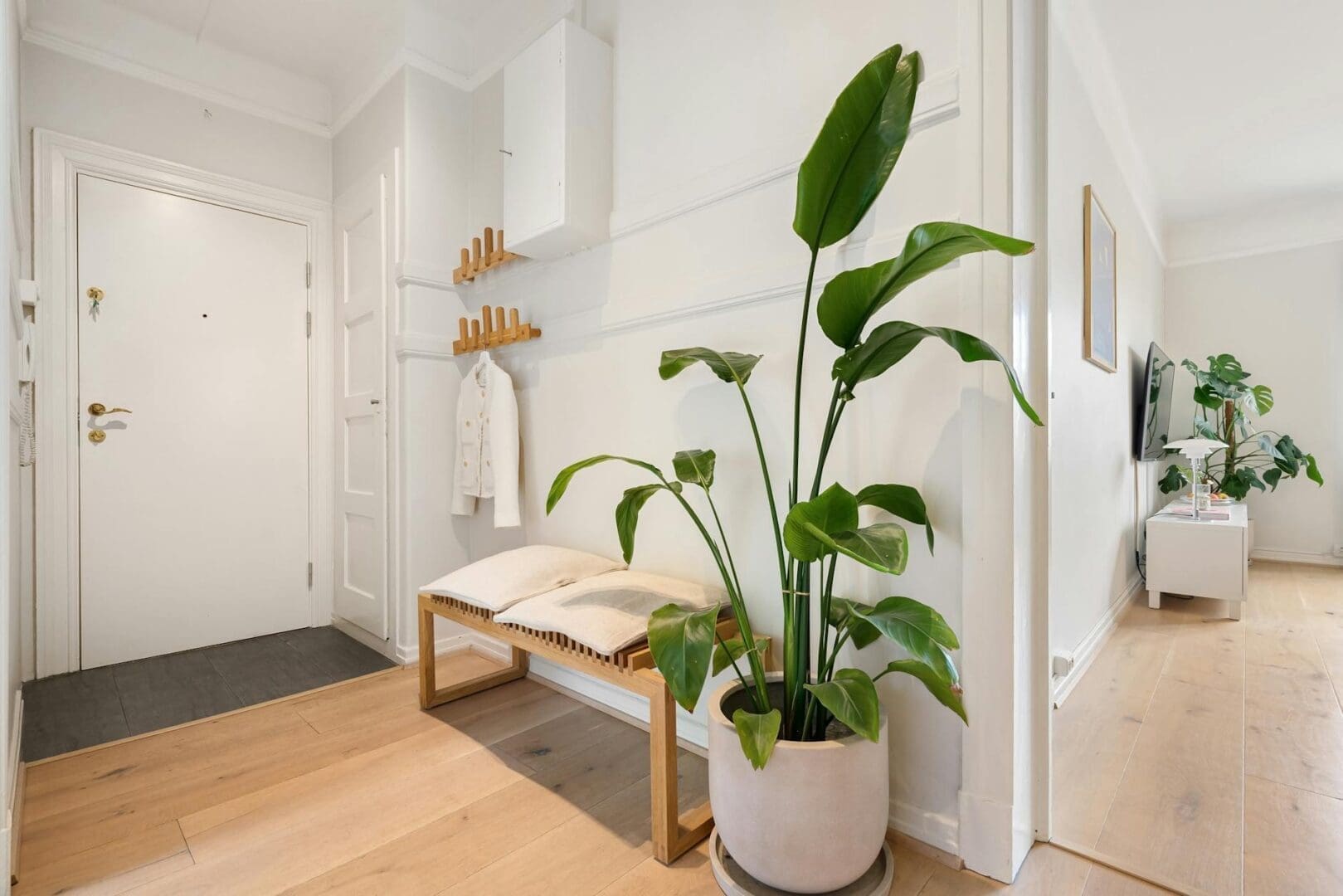
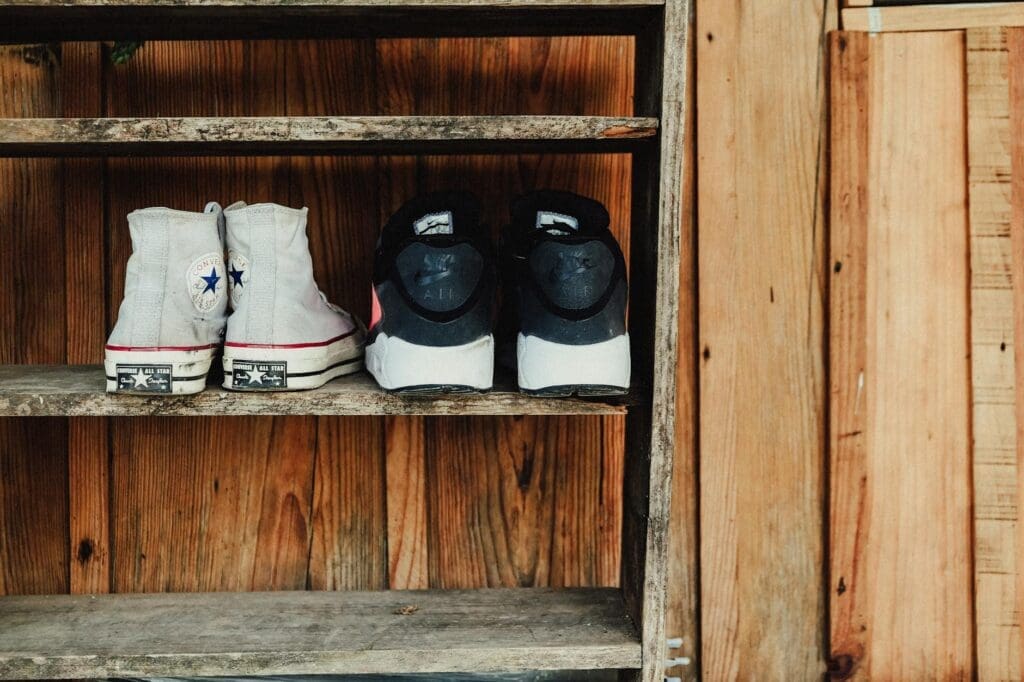
A narrow entryway can feel more like an obstacle course than a welcoming transition into your home. You need somewhere to drop your keys and slip off your shoes, but every piece of furniture seems too bulky for the space. The good news? The right bench can actually make a narrow entryway feel more organized and functional—not more cramped.
Measuring Your Space (And Why 12 Inches Matters)
Before you fall in love with any bench, grab a measuring tape. A narrow entryway typically means you’re working with 36 to 48 inches of width, and you’ll need to maintain a walkway of at least 30 inches for comfortable passage.
Here’s your sizing sweet spot: look for benches that are 12 to 16 inches deep. Anything deeper will jut out too far and create a bottleneck. For length, measure your available wall space and subtract 6 to 12 inches to keep things proportional—a bench that spans the entire wall can make a narrow space feel even tighter.
Height matters too. Standard bench height sits around 18 inches, which works well for putting on shoes. If you’re short on floor space, consider a bench around 16 inches tall with a slim profile, or even a wall-mounted option that floats above the floor and creates visual breathing room.
Styles That Work in Tight Quarters
Not all bench styles are created equal when you’re dealing with limited square footage. Skip the overstuffed upholstered benches with rolled arms—those are space hogs you can’t afford.
Instead, look for these narrow-friendly options:
Backless benches: The most versatile choice that won’t crowd the sightline and can tuck completely under a console table if needed
Slatted or open designs: Wood benches with visible legs and open space underneath feel lighter than solid pieces
Waterfall edges: The gentle curve makes the bench feel less boxy and easier to navigate around
Slim metal frames: Industrial or mid-century benches with thin metal legs take up minimal visual space
Color-wise, matching your bench to your wall color can make it recede visually, while a contrast color creates an intentional focal point. Either works—just avoid busy patterns in really tight spaces.
Storage Features Worth Considering
In a narrow entryway, your bench needs to pull double duty. Storage benches let you stash shoes, bags, or seasonal accessories without adding extra furniture.
Lift-top benches with interior storage work well if you have items you access occasionally—think winter scarves in summer or beach bags in winter. Budget options start around $80 to $150 and typically offer basic storage with simpler construction. Mid-range benches ($150 to $300) often include cushioned tops and better quality hinges that won’t sag over time.
If you’re constantly dropping shoes by the door, look for benches with lower open shelves or cubbies instead. These run $100 to $400 depending on materials and finish quality. The open design lets you quickly grab what you need and provides better ventilation for damp shoes or boots.
Another space-saver: benches with hooks mounted above or integrated into the design. You’ll gain vertical storage without sacrificing another inch of floor space.
Placement Strategies That Maximize Function
Where you position your bench matters as much as the bench itself. The most obvious spot is flat against the longest wall, but don’t overlook these alternatives if that creates a traffic jam.
Try placing a very slim bench (10 to 12 inches deep) perpendicular to the door if you have a corner to work with—this creates a natural drop zone without blocking the main pathway. Wall-mounted floating benches are another solution that keeps the floor clear and makes cleaning easier.
If your entryway opens directly into a living space, position your bench to create subtle separation between zones. This helps define the entry area without requiring a room divider or extra furniture.
Whatever placement you choose, leave at least 3 to 4 inches between your bench and any door swing. Nothing’s more frustrating than a door that catches on furniture every time you open it.
The right narrow bench transforms your entryway from cramped afterthought to hardworking space that actually makes coming and going easier. Measure carefully, choose a style that keeps things light and open, and don’t be afraid to think creatively about placement. Your entryway might be narrow, but it can still be one of the most functional spots in your home.
A cramped entryway with shoes scattered everywhere isn’t just frustrating—it’s usually the first thing you and your guests see when walking through the door. The good news? Even the smallest entryway can stay organized with the right shoe rack. The challenge is finding one that actually fits your space without making it feel even more […]
That pile of shoes by the door isn’t going to organize itself, and your coats deserve better than being draped over the nearest chair. A coat rack with built-in shoe storage solves both problems in one piece of furniture, making it perfect for entryways, mudrooms, or even bedroom corners where clutter tends to accumulate. The […]
A cramped entryway doesn’t mean you’re doomed to trip over piles of coats or hunt for misplaced keys every morning. The right coat rack can transform even the tiniest entry into an organized, welcoming space. The challenge is finding one that holds what you need without making your small entryway feel even smaller. Consider Your […]