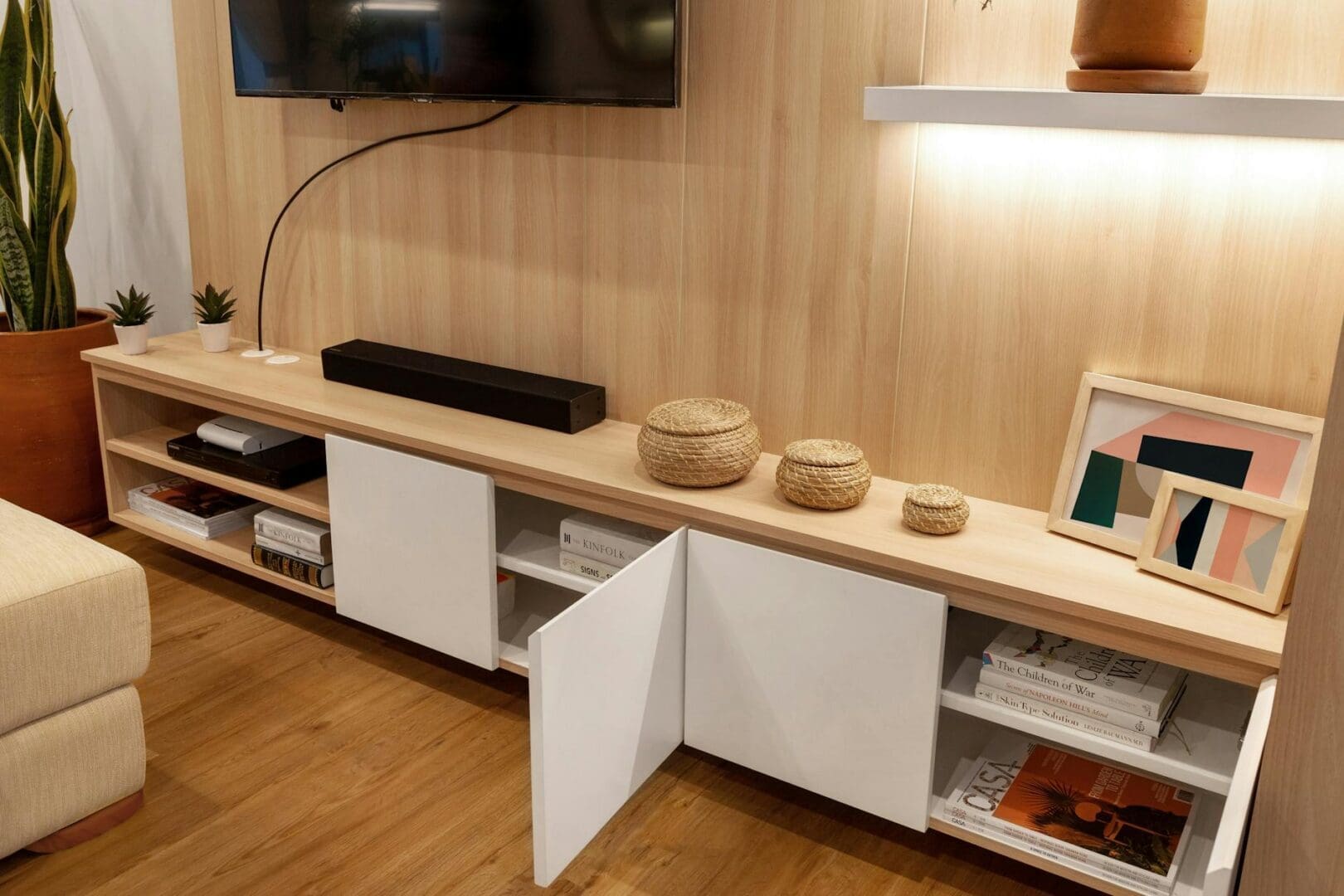
A console table is one of those pieces that works overtime in your home—but only if you style it right. Too sparse and it looks forgotten; too cluttered and it becomes a dumping ground for keys and junk mail. Whether you’ve got a console in your entryway, behind your sofa, or in a hallway that needs some love, knowing how to dress it up makes all the difference between “meh” and “wow.”
Start With the Right Console for Your Space
Before we talk styling, let’s make sure you’ve got the right foundation. Console tables typically range from 28-32 inches high and 10-18 inches deep, which makes them perfect for tight spaces. For entryways, look for something around 48-60 inches wide with a drawer or shelf for storage—you’ll thank yourself every time you grab your keys on the way out. Behind a sofa, you can go longer, even matching the sofa’s width.
Budget-friendly options in laminate or simple wood start around $150-300, while solid wood or metal consoles with quality hardware run $400-800. If you’re investing in a statement piece with marble tops, carved details, or designer finishes, expect $1,000+. The style should match your room’s vibe: sleek glass and metal for modern spaces, rustic wood for farmhouse feels, or ornate carved pieces for traditional homes.
The Three-Layer Approach to Console Styling
Here’s the secret professional designers use: think in layers. You want height variation, depth, and visual interest that draws the eye across the entire surface.
Back layer: Start with something tall and anchoring. This could be a large mirror (leaning or hanging), a piece of artwork, or even a tall plant. Mirrors are especially smart in entryways since they bounce light and give you a last-minute check before heading out. Aim for something that takes up about two-thirds of the wall space above the console.
Middle layer: Add medium-height items like table lamps, vases with branches or flowers, or stacked books. Lamps serve double duty by adding ambient lighting—crucial in hallways or entryways without overhead fixtures. Place these items off-center rather than smack in the middle for a more collected, less formal look.
Front layer: Finish with smaller objects at the table’s edge—a small bowl for keys, a candle, a decorative box, or a small plant. These shouldn’t block the items behind them but should add detail when you get close.
Balance Function With Beauty
Your console’s location determines how much function you need to build in. Entryway consoles should include practical storage: a catch-all dish or bowl for everyday items, a small tray for mail, maybe a basket underneath for scarves or dog leashes. Living room consoles behind sofas can be purely decorative, though adding a lamp makes sense if you read on that sofa.
Hallway consoles often become display zones for family photos, travel souvenirs, or seasonal decor. Just remember the walkway rule: keep at least 36 inches of clearance in front of the console so traffic can flow easily.
The Rule of Three (and Other Styling Tricks)
Odd numbers create visual interest—it’s just how our eyes work. Group items in threes or fives rather than pairs. Vary the heights, textures, and shapes: a tall thin vase next to a short wide bowl next to a medium-height stack of books creates more interest than three matching objects.
Mix materials too. Pair wood with metal, glass with ceramic, smooth with textured. If your console is dark wood, lighten it up with white ceramics or brass accents. Got a modern glass console? Warm it up with natural elements like a wooden bowl or woven basket underneath.
Don’t forget negative space. Your console doesn’t need to be completely covered—leaving some empty surface actually makes your styling feel more intentional and high-end. About one-third empty space is a good target.
Styling a console table isn’t about following rigid rules—it’s about creating a look that feels both pulled-together and personal to your home. Start with your anchor piece, build your layers, mix in some functional elements, and don’t be afraid to edit down if things start feeling crowded. The best-styled consoles look like they came together naturally over time, not like they were staged for a photoshoot. Grab a few pieces you love, play around with placement, and trust your eye. You’ll know it’s right when you stop tinkering.
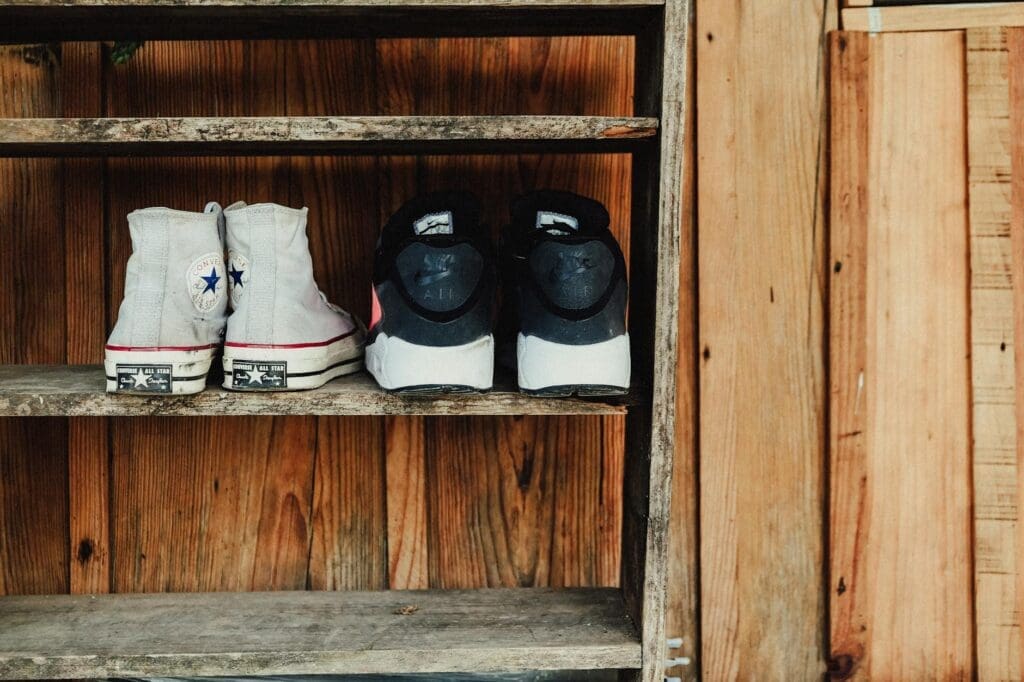
A cramped entryway with shoes scattered everywhere isn’t just frustrating—it’s usually the first thing you and your guests see when walking through the door. The good news? Even the smallest entryway can stay organized with the right shoe rack. The challenge is finding one that actually fits your space without making it feel even more […]
That pile of shoes by the door isn’t going to organize itself, and your coats deserve better than being draped over the nearest chair. A coat rack with built-in shoe storage solves both problems in one piece of furniture, making it perfect for entryways, mudrooms, or even bedroom corners where clutter tends to accumulate. The […]
A cramped entryway doesn’t mean you’re doomed to trip over piles of coats or hunt for misplaced keys every morning. The right coat rack can transform even the tiniest entry into an organized, welcoming space. The challenge is finding one that holds what you need without making your small entryway feel even smaller. Consider Your […]