Your entryway sets the tone for your entire home. It’s the first space guests see when they walk through your door, and within seconds, they form an impression. A cluttered, dark, or neglected entry feels unwelcoming, while a thoughtfully designed one says “we’re glad you’re here.” The good news? Creating that warm first impression doesn’t require a massive foyer or a complete renovation—just the right combination of functional furniture and inviting touches.
Foundation Pieces That Actually Work
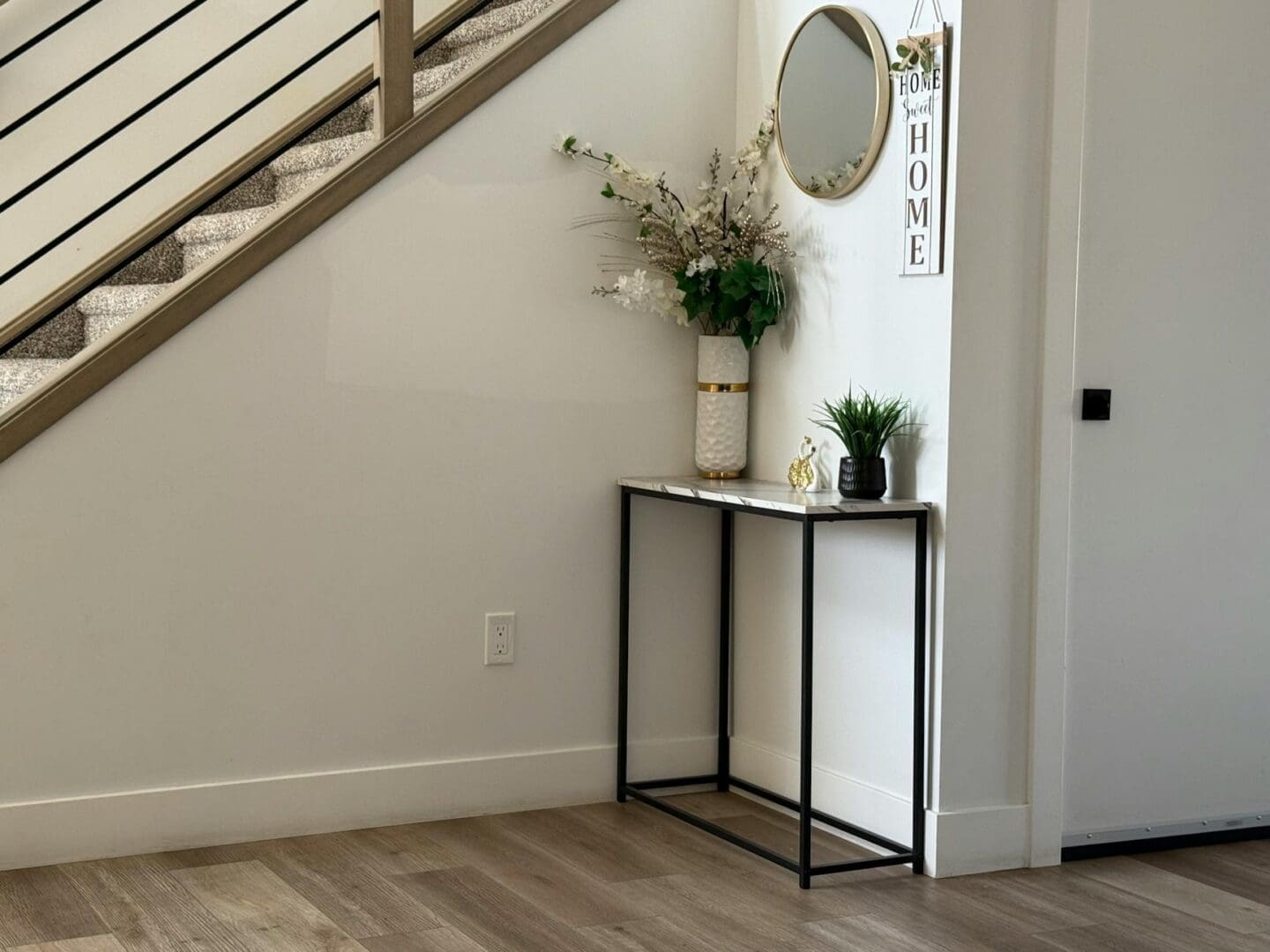
The furniture you choose depends entirely on your space, but even the smallest entryway benefits from a few key pieces. A console table is the workhorse of most entryways—it gives you a landing spot for keys and mail while anchoring the space visually. Look for something 10-14 inches deep if you’re working with a narrow hallway; anything deeper will make the space feel cramped. Expect to spend $150-$300 for a solid budget option, $300-$700 for mid-range pieces with better materials and finishes, or $700+ for statement consoles in hardwood or with distinctive design details.
If you have more room to play with, a small bench or pair of stools serves double duty. Guests appreciate having somewhere to sit while removing shoes, and you get hidden storage underneath for seasonal items. An entryway bench typically runs 18-20 inches deep and can range from $200 for basic upholstered styles to $800+ for custom-built storage benches in quality wood.
Don’t overlook vertical storage solutions like wall-mounted coat racks or freestanding hall trees. A hook rail mounted at the right height (about 5 feet up) keeps coats visible and accessible without overwhelming the space. These run anywhere from $40 for simple designs to $200+ for architectural pieces that double as wall art.
Lighting Makes the Difference
Nothing says “welcome” quite like good lighting. Entryways are often windowless or poorly lit, which can make them feel cramped and uninviting even when they’re not. A statement overhead fixture—whether it’s a semi-flush mount for lower ceilings or a pendant for taller spaces—should be your first priority. Size matters here: for standard 8-foot ceilings, look for fixtures 12-20 inches in diameter; for two-story entryways, you can go much larger, sometimes 24-30 inches or more.
Layer in a table lamp on your console if there’s room, or add plug-in wall sconces if outlets are scarce. Warm-toned bulbs (2700-3000K) create a more inviting glow than cool white bulbs, which can feel institutional. Budget $100-$300 for quality overhead fixtures, though designer options can easily exceed $500. Table lamps for entryways typically range from $60-$250.
The Details That Feel Like Hospitality
Once your furniture and lighting are in place, the finishing touches transform your entryway from functional to genuinely welcoming. A substantial mirror above your console table reflects light and makes the space feel larger—aim for something at least 24 inches wide, mounted so the center sits at average eye level (about 60-65 inches from the floor).
Add a tray or bowl on your console for corralling everyday items. This keeps surface clutter contained while giving guests a designated spot for their belongings. Fresh flowers or a low-maintenance plant brings life to the space—just make sure it’s something that can tolerate your entryway’s specific light conditions.
A runner or area rug defines the space and adds softness underfoot, but choose wisely. Look for low-pile, durable materials that can handle foot traffic and weather. Indoor-outdoor rugs in natural fibers like jute hold up remarkably well and typically cost $80-$300 depending on size. Make sure it’s large enough to ground your furniture—a common mistake is choosing a rug that’s too small, which makes everything look disconnected.
Pulling It All Together
A welcoming entryway balances beauty with function. Start with furniture that fits your space and serves your daily needs, then layer in lighting that makes guests feel expected rather than surprised. The details—mirrors, trays, greenery—are what elevate a basic entry into something that feels intentionally hospitable. You don’t need every piece mentioned here; even one or two thoughtful additions can shift the entire feeling of the space. The goal isn’t perfection—it’s creating that immediate sense that people are welcome in your home.
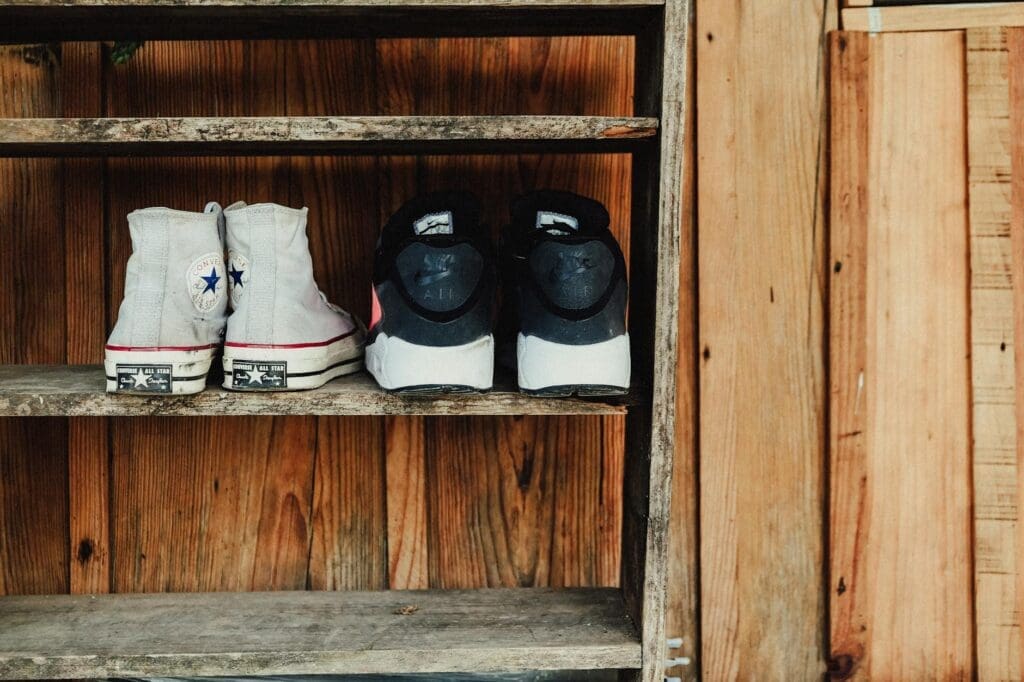
A cramped entryway with shoes scattered everywhere isn’t just frustrating—it’s usually the first thing you and your guests see when walking through the door. The good news? Even the smallest entryway can stay organized with the right shoe rack. The challenge is finding one that actually fits your space without making it feel even more […]
That pile of shoes by the door isn’t going to organize itself, and your coats deserve better than being draped over the nearest chair. A coat rack with built-in shoe storage solves both problems in one piece of furniture, making it perfect for entryways, mudrooms, or even bedroom corners where clutter tends to accumulate. The […]
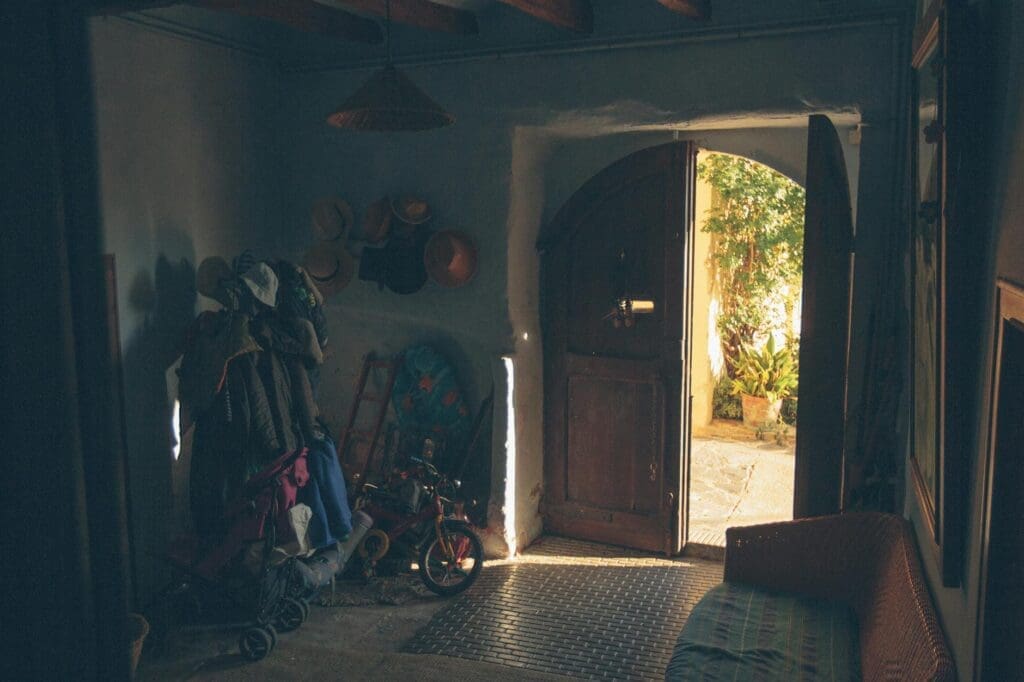
A cramped entryway doesn’t mean you’re doomed to trip over piles of coats or hunt for misplaced keys every morning. The right coat rack can transform even the tiniest entry into an organized, welcoming space. The challenge is finding one that holds what you need without making your small entryway feel even smaller. Consider Your […]