A pergola can transform your backyard from a simple lawn into an actual outdoor room—a shaded spot for morning coffee, weekend dinners, or just escaping the afternoon sun. But with options ranging from $500 DIY kits to $15,000 custom builds, choosing the right one means understanding what you actually need versus what looks good in someone else’s Instagram feed.
Size and Placement: Getting the Footprint Right
Before you fall in love with a particular style, you need to know what will actually fit in your space. Start by measuring the area where you want the pergola to go, but don’t just measure the footprint—consider clearance around it too. You’ll want at least 2-3 feet of walkway space on the sides you’ll be accessing most.
Most freestanding pergolas come in standard sizes: 10×10, 10×12, 12×12, or 12×16 feet. A 10×10 works for a small seating area with a bistro set, while a 12×16 can cover a full dining table with room for guests to pull out chairs comfortably. If you’re attaching to your house (called an attached or lean-to pergola), you can often customize the dimensions more easily.
Think about sun angles too. A pergola on the west side of your house will need more coverage for late afternoon sun, while a north-facing one might work with more open slats since direct sun won’t be as intense.
Material Matters: Wood, Vinyl, or Metal
The material you choose affects everything from maintenance to price to how well it fits your home’s style.
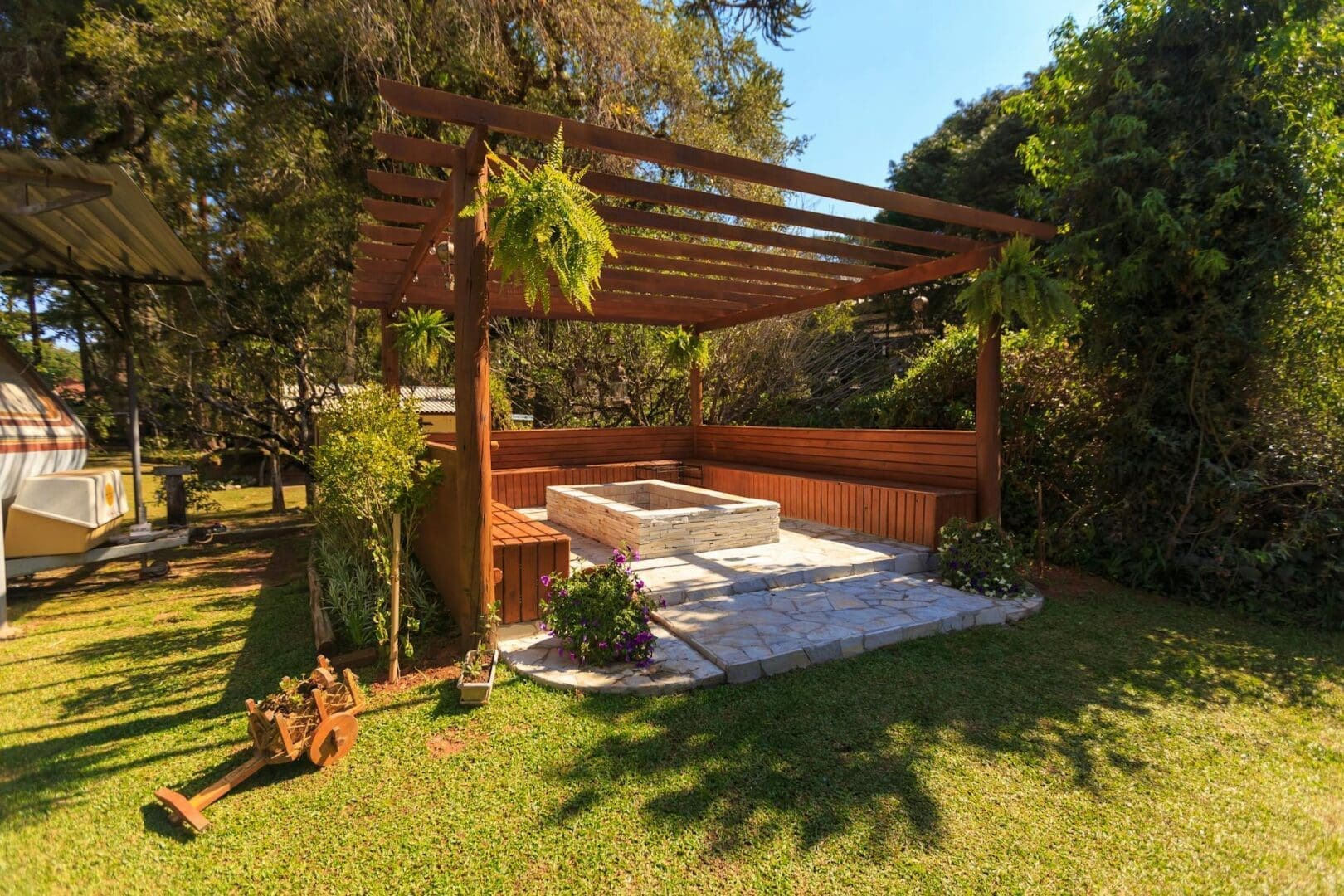
Wood pergolas are the classic choice, usually made from cedar, redwood, or pressure-treated pine. Cedar and redwood naturally resist rot and insects, aging to a silvery gray unless you stain them regularly. Expect to pay $2,000-$6,000 for a quality wood kit, or $8,000-$15,000 for custom-built. The tradeoff? You’ll need to reseal or restain every 2-3 years.
Vinyl pergolas require almost no maintenance and won’t rot, warp, or need painting. They typically come in white or tan and cost $3,000-$8,000. The downside is they can look a bit plasticky up close, and you’re limited on customization.
Aluminum or steel pergolas offer a modern aesthetic and excellent durability. Powder-coated finishes hold up well to weather, and many newer designs include adjustable louvers that let you control shade and rain protection. These run $4,000-$12,000 depending on features. They’re ideal if you want a contemporary look or live in an area with harsh weather.
Roof Style and Coverage Options
Traditional pergolas have open slatted tops that create dappled shade—beautiful, but not much help in a downpour or intense sun. Consider how you’ll actually use the space.
If you want more weather protection, look for pergolas with closer slat spacing (4-6 inches apart rather than 12), or plan to add a covering later. Many people install shade cloth, outdoor curtains, or climbing plants like wisteria or grapevines. Retractable canopies are another popular option, giving you flexibility between full sun and shade.
Some modern pergolas come with built-in louvered roofs that rotate to adjust coverage—these are pricier ($6,000-$15,000) but offer year-round functionality. If you live somewhere with heavy snow, make sure any covering option is rated for your climate’s load requirements.
Budget Breakdown and What You Actually Get
Understanding price tiers helps you shop smarter. Budget pergola kits ($500-$2,000) are usually small, pressure-treated pine, and require full DIY assembly. They’ll last 5-10 years with maintenance but may wobble in wind if not properly anchored.
Mid-range options ($2,000-$6,000) typically offer better materials like cedar or vinyl, sturdier construction, and sometimes semi-professional installation. This is the sweet spot for most homeowners who want quality without custom pricing.
Splurge-worthy pergolas ($6,000+) include custom builds, premium materials, louvered roofs, integrated lighting, or professional design and installation. Consider this range if your pergola is a major focal point or you’re adding significant value to your outdoor living space.
A well-chosen pergola becomes the anchor of your outdoor space—the spot that draws you outside and makes your backyard feel intentional. Measure carefully, choose materials that match your maintenance tolerance, and pick a style that complements your home rather than competing with it. You’ll know you’ve found the right one when you can picture yourself actually using it, not just admiring it.
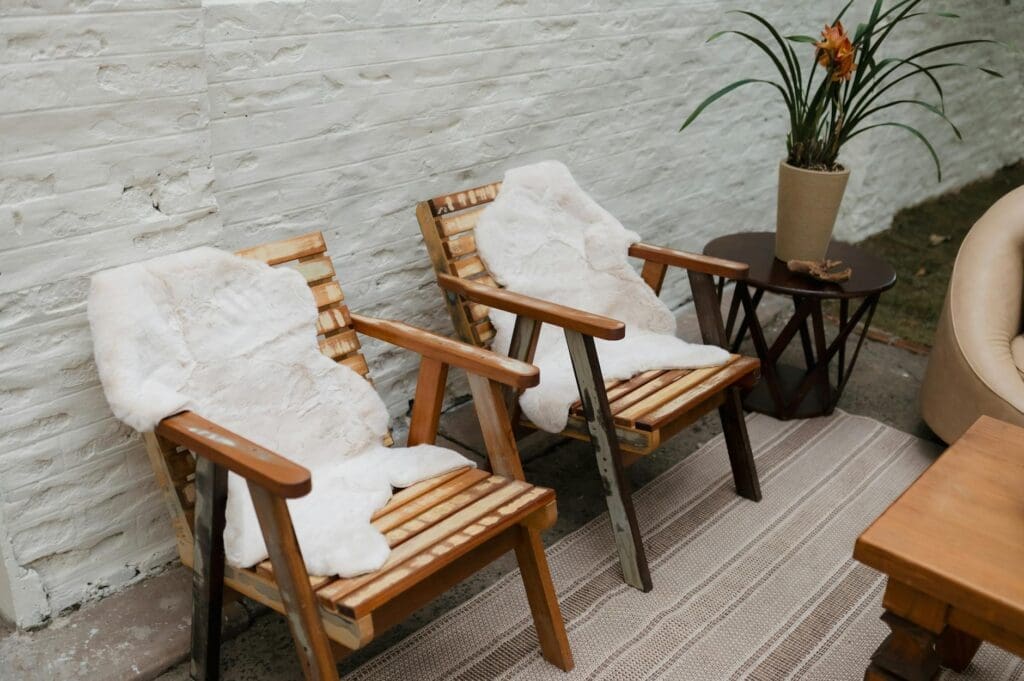
There’s something wonderfully ironic about the Adirondack chair’s origin story. Back in 1903, Thomas Lee was vacationing in Westport, New York, frustrated by the lack of comfortable outdoor seating that could handle the sloped terrain of his property. So he built a wide-backed, slatted chair with a reclined seat—and accidentally created an icon. Today, you’ll […]
A dark backyard feels smaller, less usable, and honestly a bit uninviting once the sun goes down. Whether you’re trying to make your outdoor space safer, extend your entertaining hours, or simply discourage unwanted visitors, the right flood lights can completely transform how you use your yard after dark. The challenge is figuring out which […]
You’ve found the perfect outdoor rug to tie your patio together, but three months later it’s faded, mildewed, or falling apart. Sound familiar? The material makes all the difference when it comes to outdoor rugs that actually last. Unlike indoor rugs that live cushy lives away from the elements, your outdoor rug needs to handle […]