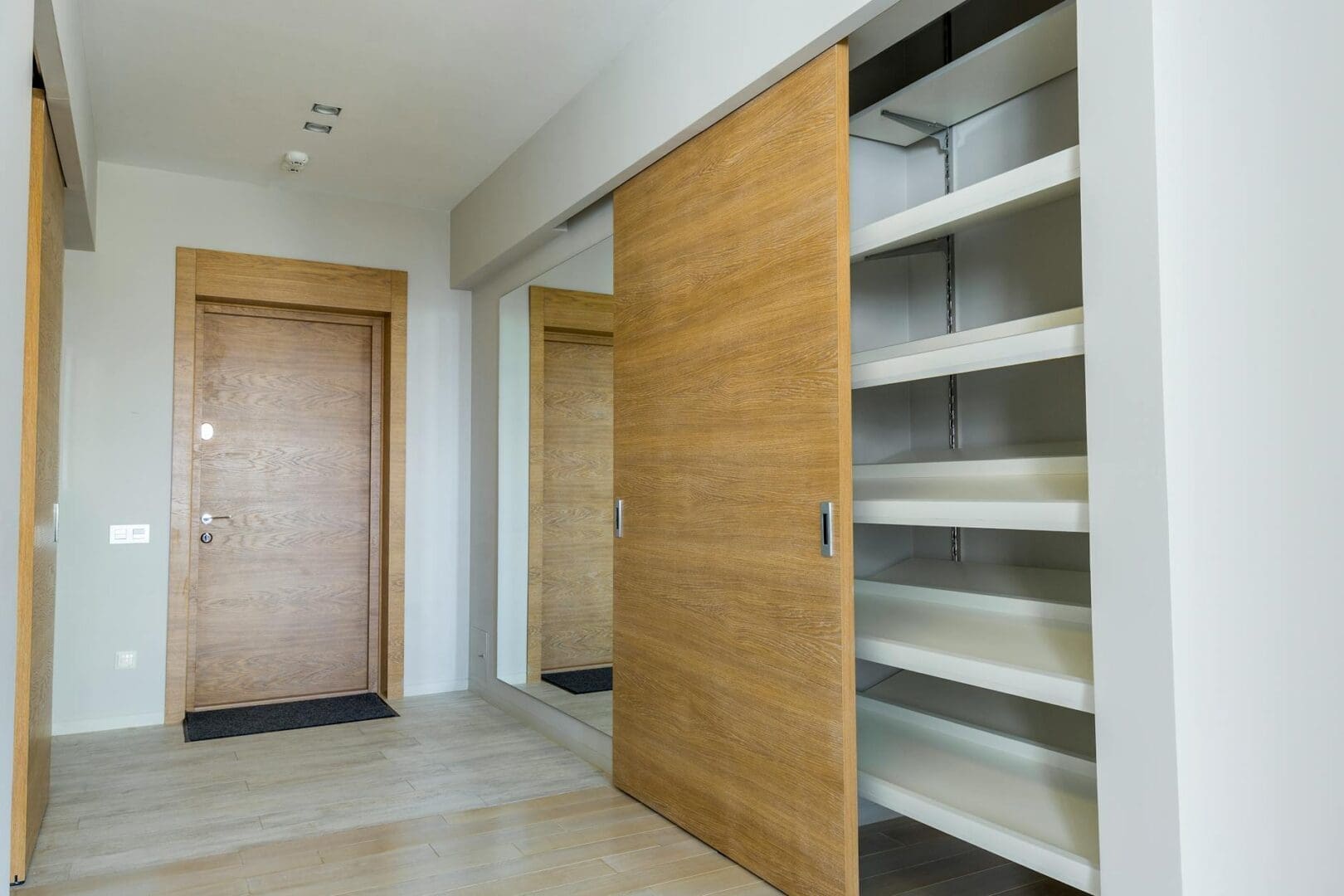
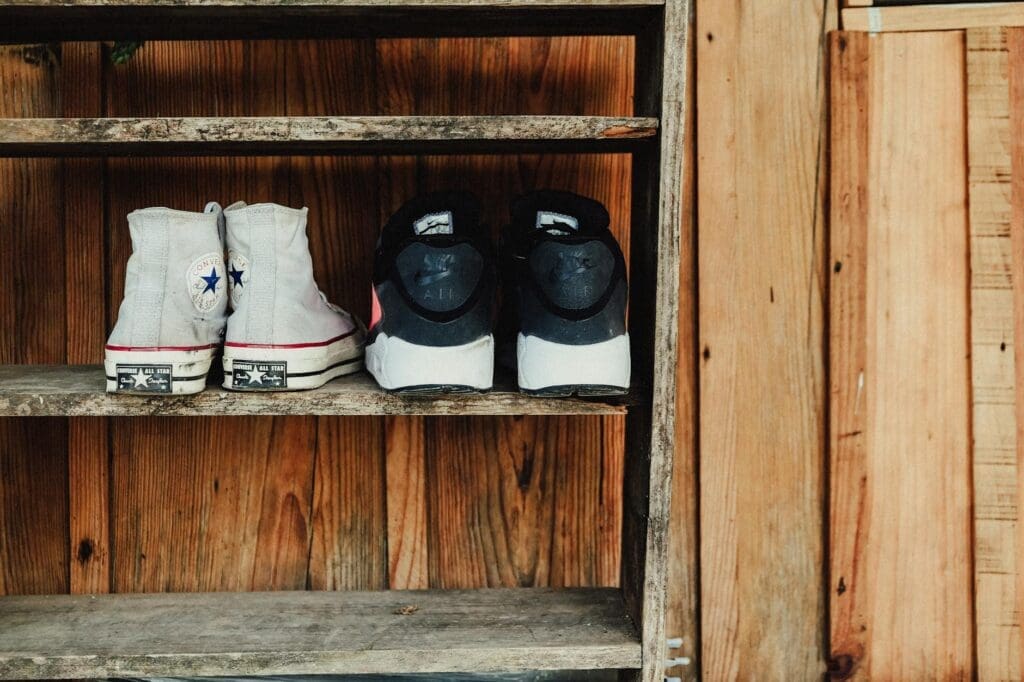
Not everyone has a dedicated mudroom, but everyone deals with the chaos of shoes, coats, bags, and keys piling up by the door. The good news? You don’t need a renovation or a huge budget to create a functional mudroom space. With the right furniture pieces and a bit of strategic planning, you can transform even the smallest entryway into an organized drop zone that actually works for your household.
Start with a Realistic Budget and Space Assessment
Before you buy anything, measure your available space and decide what you can spend. A basic mudroom setup can range from $200 for a minimal solution to $800 or more for a complete system. Your budget will largely depend on how many people use the space and what you’re storing.
For a tight budget ($200-$350), focus on a simple coat rack and shoe storage. Mid-range budgets ($350-$600) can accommodate a bench with storage plus wall hooks and baskets. If you can stretch to $600-$800, you’ll have room for a full entryway system with seating, cubbies, and organizational accessories.
Measure your wall space, ceiling height, and floor area. Even a 3-foot-wide section of wall can work as a mudroom if you choose furniture wisely. Pay attention to door swing patterns and make sure you’re not blocking pathways.
Choose Multi-Functional Furniture Pieces
The key to a budget mudroom is selecting pieces that do double or triple duty. A storage bench is your best friend here—it provides seating for putting on shoes, hides clutter inside, and can include hooks or shelving above.
Look for these budget-friendly furniture types:
Hall trees: Combine hooks, a bench, and shoe storage in one vertical piece, perfect for narrow spaces ($150-$400)
Cube organizers: Can be configured horizontally as a bench or vertically as cubbies, with baskets for hidden storage ($80-$200)
Slim console tables: Add baskets underneath and mount hooks above for a custom look ($100-$300)
Shoe cabinets: Narrow designs (under 12 inches deep) provide surprising storage without eating floor space ($80-$250)
Skip matching furniture sets, which inflate costs. Instead, choose pieces in complementary finishes—mixing wood tones or metal finishes actually creates more visual interest than perfectly matched pieces.
Maximize Vertical Space with Smart Storage
When you’re working with a limited budget and small footprint, vertical storage is non-negotiable. Wall-mounted solutions cost less than floor furniture and keep the space feeling open.
Install a row of sturdy hooks or a coat rack at varying heights—adult height for coats and bags, lower hooks for kids’ backpacks and jackets. Heavy-duty hooks cost $3-$8 each and can hold 20+ pounds when properly anchored. For $30-$60, a wall-mounted coat rack with 4-6 hooks gives you a finished look.
Add floating shelves above your bench or hooks for hats, keys, and small bins. A simple 36-inch shelf runs $20-$50 depending on material. Consider a pegboard system ($25-$60) for ultimate flexibility—you can rearrange hooks, small shelves, and baskets as your needs change.
Don’t forget the space behind the door. Over-the-door organizers ($15-$40) work great for lightweight items like scarves, dog leashes, or reusable shopping bags.
Finish with Practical Accessories
The final 15-20% of your budget should go toward organizational accessories that keep your mudroom functioning smoothly. Fabric bins and baskets ($10-$30 each) corral small items while hiding visual clutter. Look for collapsible options that can be removed during summer months when you need less storage.
A small tray or bowl ($8-$25) on a shelf or console creates a designated spot for keys and sunglasses. A wall-mounted mail sorter ($20-$45) keeps papers from spreading across surfaces. If you have floor space, a boot tray ($15-$35) protects floors from wet shoes and makes cleanup easier.
With these strategies, you can create a hardworking mudroom that keeps your entryway organized without requiring a major investment. Start with the furniture piece that solves your biggest problem—whether that’s shoe clutter, coat pileups, or lack of seating—then build from there as your budget allows. The right setup will pay for itself in reduced stress every time you walk through the door.
A cramped entryway with shoes scattered everywhere isn’t just frustrating—it’s usually the first thing you and your guests see when walking through the door. The good news? Even the smallest entryway can stay organized with the right shoe rack. The challenge is finding one that actually fits your space without making it feel even more […]
That pile of shoes by the door isn’t going to organize itself, and your coats deserve better than being draped over the nearest chair. A coat rack with built-in shoe storage solves both problems in one piece of furniture, making it perfect for entryways, mudrooms, or even bedroom corners where clutter tends to accumulate. The […]
A cramped entryway doesn’t mean you’re doomed to trip over piles of coats or hunt for misplaced keys every morning. The right coat rack can transform even the tiniest entry into an organized, welcoming space. The challenge is finding one that holds what you need without making your small entryway feel even smaller. Consider Your […]