Your entryway works harder than almost any other space in your home. It’s where you kick off muddy shoes, toss your keys, shed winter coats, and greet guests—all in a matter of square feet. If you’re staring at a blank slate (or a cluttered mess) and wondering where to start, you’re not alone. Creating a functional entryway from scratch means choosing the right furniture pieces and arranging them so everything has a place and nothing feels cramped.
Start with Storage That Matches Your Lifestyle
Before you buy anything, think about what actually enters and exits through your door. A family with three kids needs different storage than a couple with one dog. Your entryway furniture should reflect your reality, not a magazine spread.
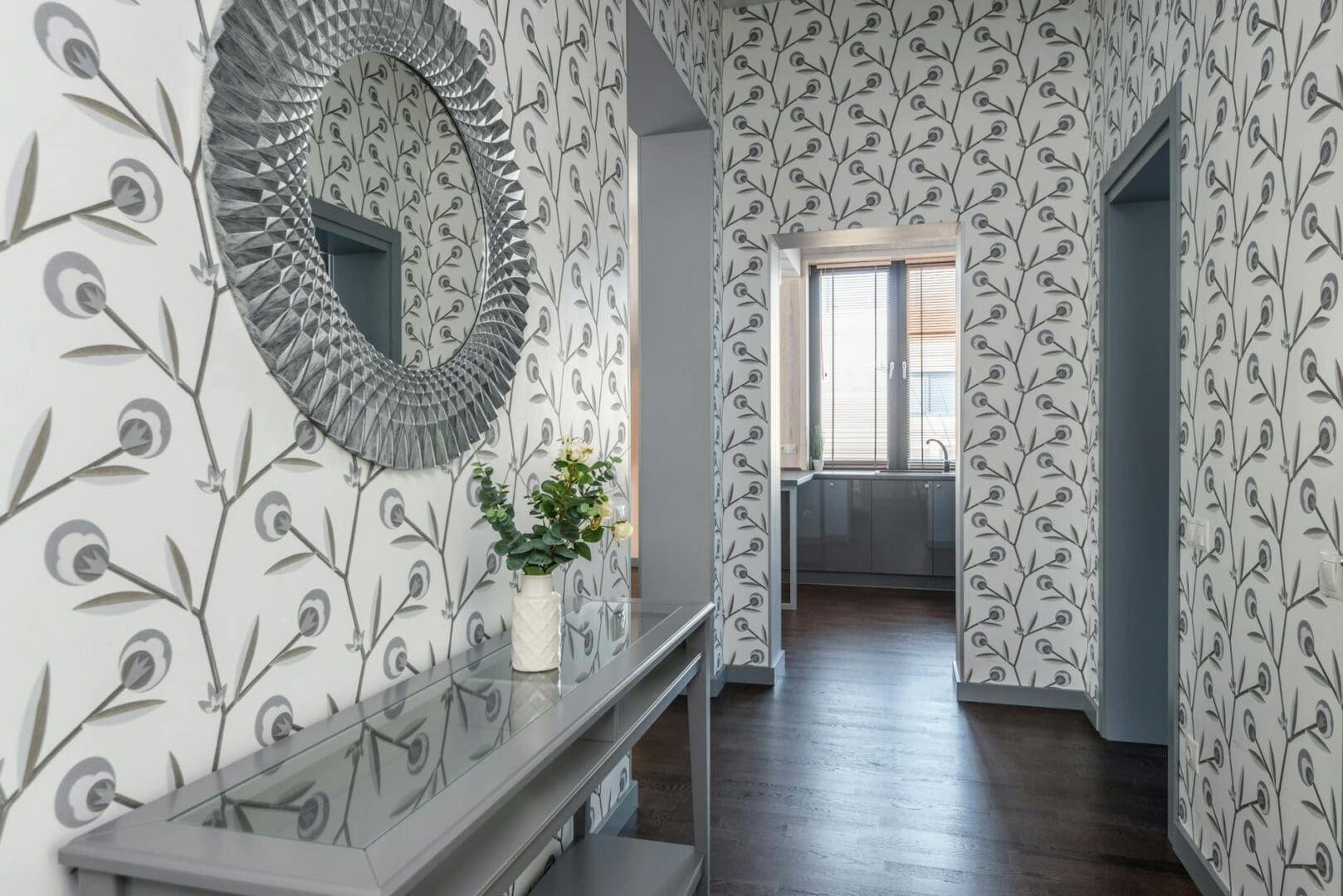
Console tables are the workhorses of entryway design. Look for ones with drawers for mail, sunglasses, and dog leashes—shallow drawers around 2-3 inches deep work best for everyday items. If you’re tight on space, a wall-mounted console or floating shelf (at least 10 inches deep) gives you a landing spot without eating up floor space. Expect to spend $150-300 for a solid budget option, $300-600 for mid-range quality, and $600+ for hardwood pieces that’ll last decades.
For coats and bags, choose between a coat rack, wall hooks, or a hall tree. Wall hooks are the most space-efficient and run $30-100 for a set of quality hooks. Hall trees combine hooks, a bench, and sometimes shoe storage in one footprint—perfect if you’re working with 3-4 feet of wall space. These typically range from $200-500 depending on materials and storage capacity.
Seating Makes Everything Easier
A place to sit while putting on shoes isn’t a luxury—it’s a game-changer, especially if anyone in your household is over 50 or has mobility concerns. The question is whether you have room for it.
Benches are the most versatile option. A standard entryway bench runs 36-48 inches wide and 16-18 inches deep. Many come with lift-top storage or cubbies underneath for shoes, giving you two functions in one piece. Budget benches start around $100-150, while upholstered options with storage run $200-400.
If you’re really tight on space, consider a small ottoman or pouf that can tuck under a console table when not in use. Even a 16-inch cube gives you somewhere to perch, and you can find attractive options for $60-150.
Shoe Storage That Actually Contains the Chaos
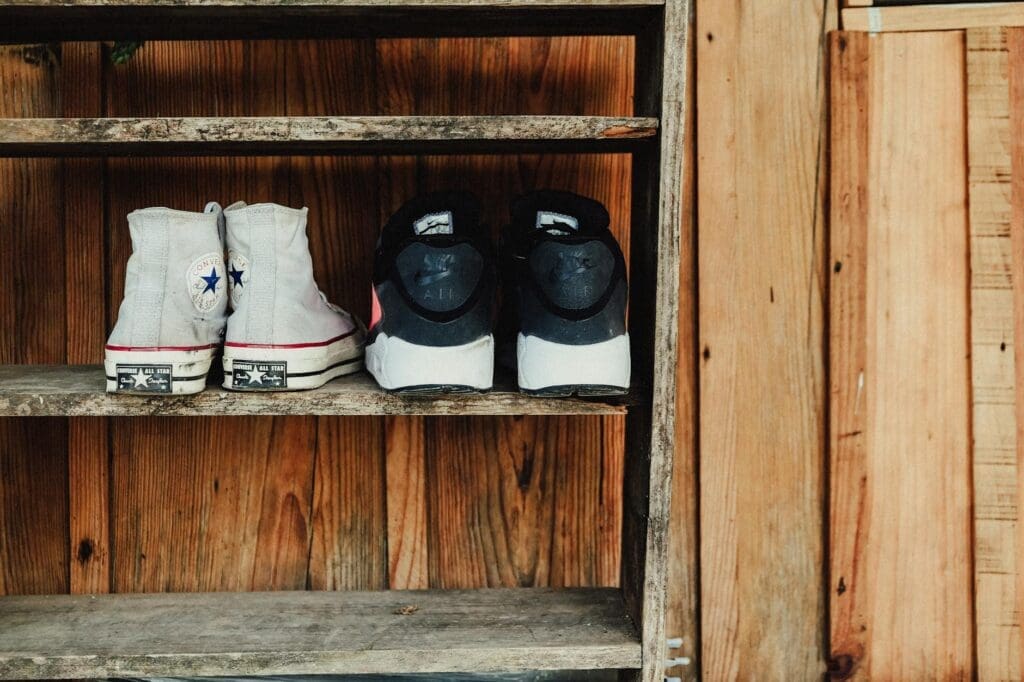
Shoes multiply in entryways like rabbits. Without a designated system, they’ll sprawl across your floor within days.
Shoe cabinets with tilt-out or sliding drawers keep footwear hidden and take up minimal depth—most are only 10-12 inches deep, so they work in narrow entryways. A cabinet that holds 12-16 pairs typically runs $150-300. For larger households, a shoe bench combines seating with storage and can accommodate 6-9 pairs for $120-250.
Open cubbies work well if you prefer to see your shoes at a glance, but they require more discipline to keep tidy. Look for cubby units with slots sized for adult shoes (at least 6 inches tall and 12 inches wide). Wall-mounted cubbies work beautifully in small spaces and start around $80-150.
The Finishing Touches That Make It Work
You’ve got the big furniture pieces sorted, but a few smaller elements pull everything together and boost function.
A mirror isn’t just for last-minute appearance checks—it reflects light and makes small entryways feel larger. Mount it above your console table, and aim for something at least 24 inches wide. You’ll find framed mirrors starting around $60, with larger statement pieces running $150-400.
Add a tray or small bowl on your console for keys, sunglasses, and wallets. This $15-40 addition creates a designated drop zone so small items don’t disappear into drawers. For wet umbrellas and bags, a umbrella stand or wall-mounted hooks near the door contain drips. An attractive umbrella stand costs $30-80.
If you have the floor space, a small rug (3×5 or 2×6 runner) defines the entryway zone and protects your floors. Look for low-pile, easy-clean materials like polypropylene for high-traffic durability at $50-150.
Designing a functional entryway is really about being honest about what you need and choosing furniture that solves your specific problems. Start with storage and seating that fit your space and habits, add shoe containment that matches your household size, and finish with a mirror and catch-all accessories. Once everything has a designated home, keeping your entryway tidy becomes almost automatic—and that’s when you know you’ve designed it right.
A cramped entryway with shoes scattered everywhere isn’t just frustrating—it’s usually the first thing you and your guests see when walking through the door. The good news? Even the smallest entryway can stay organized with the right shoe rack. The challenge is finding one that actually fits your space without making it feel even more […]
That pile of shoes by the door isn’t going to organize itself, and your coats deserve better than being draped over the nearest chair. A coat rack with built-in shoe storage solves both problems in one piece of furniture, making it perfect for entryways, mudrooms, or even bedroom corners where clutter tends to accumulate. The […]
A cramped entryway doesn’t mean you’re doomed to trip over piles of coats or hunt for misplaced keys every morning. The right coat rack can transform even the tiniest entry into an organized, welcoming space. The challenge is finding one that holds what you need without making your small entryway feel even smaller. Consider Your […]