Your outdoor spaces deserve the same thoughtful lighting approach as your interior rooms, but the stakes are higher—you’re balancing aesthetic appeal with genuine safety concerns. Whether you’re trying to create a cozy backyard retreat or simply make sure guests don’t trip on the front steps, choosing the right outdoor lighting involves thinking through placement, brightness, and durability in ways that interior fixtures never require.
Understanding the Two Jobs Your Outdoor Lighting Needs to Do
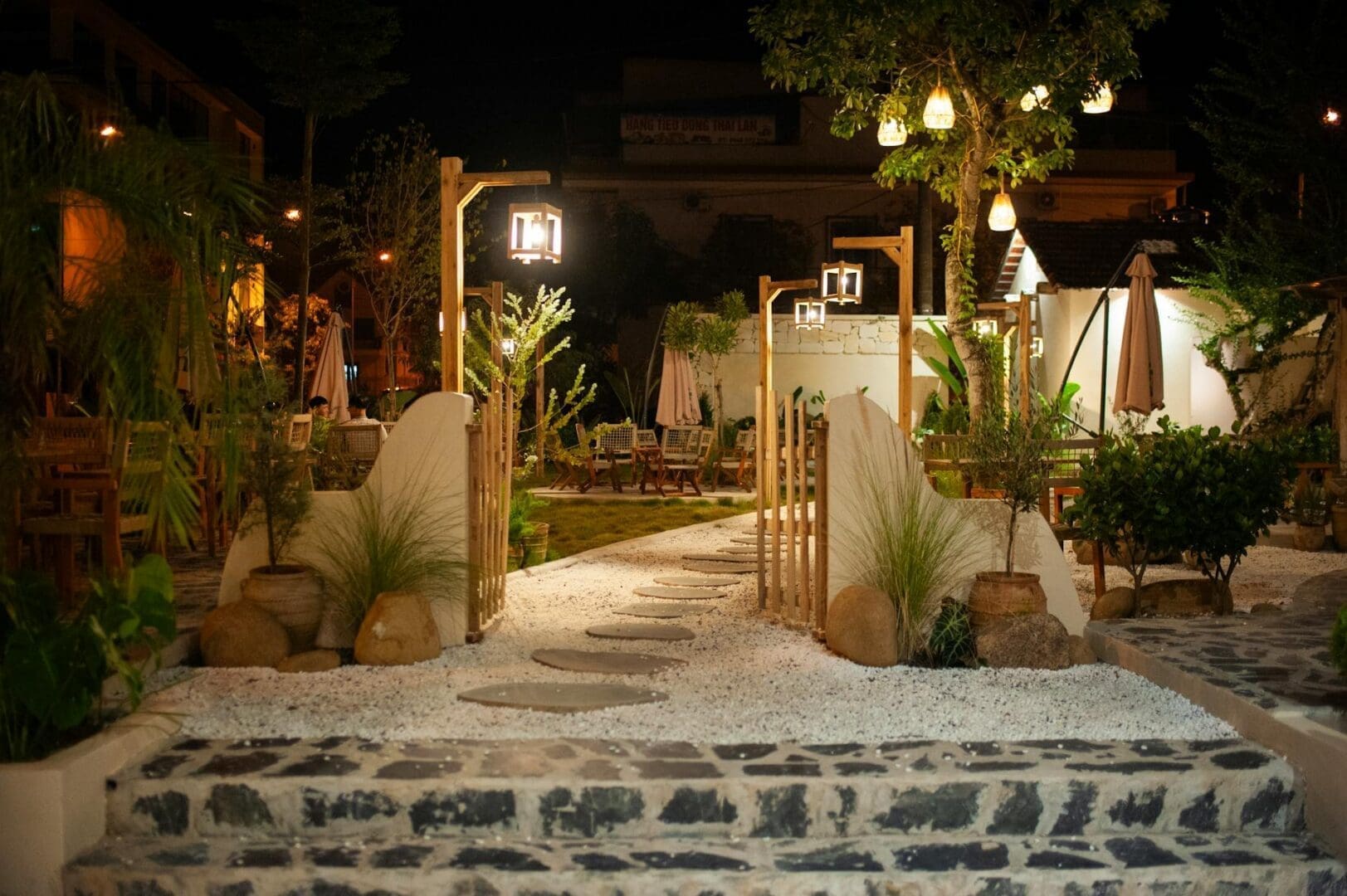
The best outdoor lighting plans tackle both ambiance and safety without letting one overshadow the other. Task lighting—bright, focused fixtures—should illuminate pathways, steps, entrances, and any area where someone might navigate in the dark. Think wall-mounted sconces flanking your front door (typically 75-100 watts equivalent), post lights marking a walkway, or recessed deck lights at stairs.
Ambient lighting, on the other hand, creates mood and extends your living space outdoors. String lights over a patio, landscape spotlights highlighting trees, and soft lanterns on dining tables fall into this category. These typically use warmer color temperatures (2700-3000K) and lower lumens—just enough to see faces and food, not flood the area like a parking lot.
Here’s what works: layer both types. Use brighter path lights (100-200 lumens) to define walkways, then add softer bistro lights (10-25 lumens per bulb) overhead for atmosphere. The contrast actually makes spaces feel larger and more intentional.
Choosing Fixtures That Can Handle the Weather
Indoor fixtures won’t survive outdoors—moisture, temperature swings, and UV exposure will destroy them within months. Look for fixtures rated for wet or damp locations depending on your needs. Covered porches can use damp-rated fixtures, but anything exposed to direct rain needs a wet rating.
Material matters more outdoors than anywhere else in your home. Budget options ($30-80 per fixture) often use coated steel or plastic that can corrode or fade. Mid-range fixtures ($80-200) in powder-coated aluminum, brass, or copper hold up better and develop attractive patinas over time. Splurge options ($200-500+) in solid brass, stainless steel, or marine-grade materials are worth considering for coastal areas or if you want fixtures that last decades without replacement.
Pay attention to the IP (Ingress Protection) rating if listed. IP65 or higher means the fixture is dust-tight and protected against water jets—ideal for most residential applications.
Getting the Placement and Brightness Right
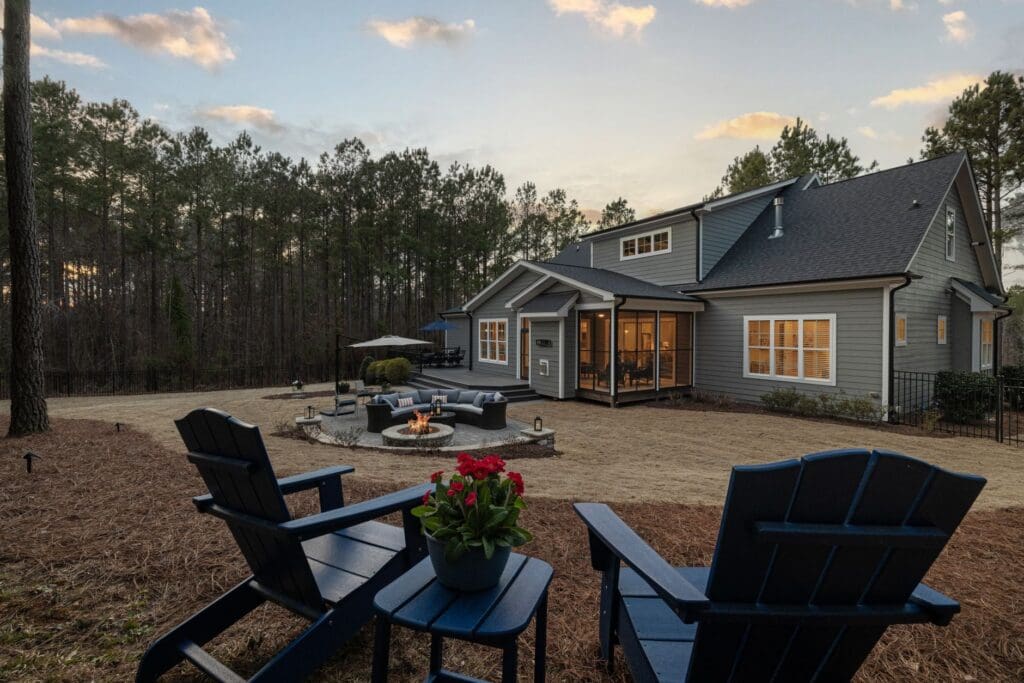
Too many homeowners either under-light (creating dark, unsafe zones) or over-light (washing out the ambiance and annoying neighbors). For safety lighting, your goal is even illumination without dramatic shadows where someone could miss a step or obstacle.
Path lights should be spaced 6-8 feet apart along walkways, mounted 18-24 inches high. For stairs, light every step or at minimum every third step—side-mounted is safer than overhead, which can create confusing shadows. Entry lights should be bright enough to clearly see faces and fumble with keys, typically 60-100 watts equivalent.
For ambiance, think about what you want to highlight. Uplighting trees or architectural features creates drama. String lights define outdoor rooms and provide gentle overhead glow. Wall-mounted lanterns on dimmers let you adjust the mood. The key is varying the heights—low, mid-level, and overhead sources create depth that feels professionally designed.
Smart Features and Energy Efficiency Worth Considering
LED bulbs have transformed outdoor lighting—they use 75% less energy than incandescent, last years longer, and aren’t bothered by cold temperatures. Most quality outdoor fixtures now come with integrated LEDs, which means no bulb changes for 15-25 years. Just make sure the color temperature matches your intent (warm white for living spaces, bright white for security).
Motion sensors make sense for side yards, garages, and other areas you don’t use constantly. Dusk-to-dawn sensors automate your front entry and path lights. Smart controls ($50-200 for a hub) let you schedule different scenes—full brightness until 10pm, then dimmed overnight, or vacation modes that vary the timing.
Solar path lights have improved dramatically and make sense for areas far from electrical outlets, though they’re still not bright enough for primary safety lighting. Budget $25-50 per quality solar fixture that’ll actually provide useful light.
Getting your outdoor lighting right transforms how you use and feel about your home after dark. Start with the safety essentials—paths, steps, and entries—then layer in the atmospheric touches that make you want to linger outside. Choose weather-appropriate fixtures in finishes that complement your home’s style, and don’t be afraid to mix fixture types for a collected, intentional look that serves both practical needs and pleasure.
There’s something wonderfully ironic about the Adirondack chair’s origin story. Back in 1903, Thomas Lee was vacationing in Westport, New York, frustrated by the lack of comfortable outdoor seating that could handle the sloped terrain of his property. So he built a wide-backed, slatted chair with a reclined seat—and accidentally created an icon. Today, you’ll […]
You’ve found the perfect outdoor rug to tie your patio together, but three months later it’s faded, mildewed, or falling apart. Sound familiar? The material makes all the difference when it comes to outdoor rugs that actually last. Unlike indoor rugs that live cushy lives away from the elements, your outdoor rug needs to handle […]
Nothing transforms a patio or deck quite like an outdoor rug—until six months later when it’s a sun-bleached shadow of its former self. If you’ve been burned by a faded outdoor rug before, you’re not alone. The good news? Some outdoor rugs actually live up to their promises, staying vibrant through multiple seasons of sun, […]