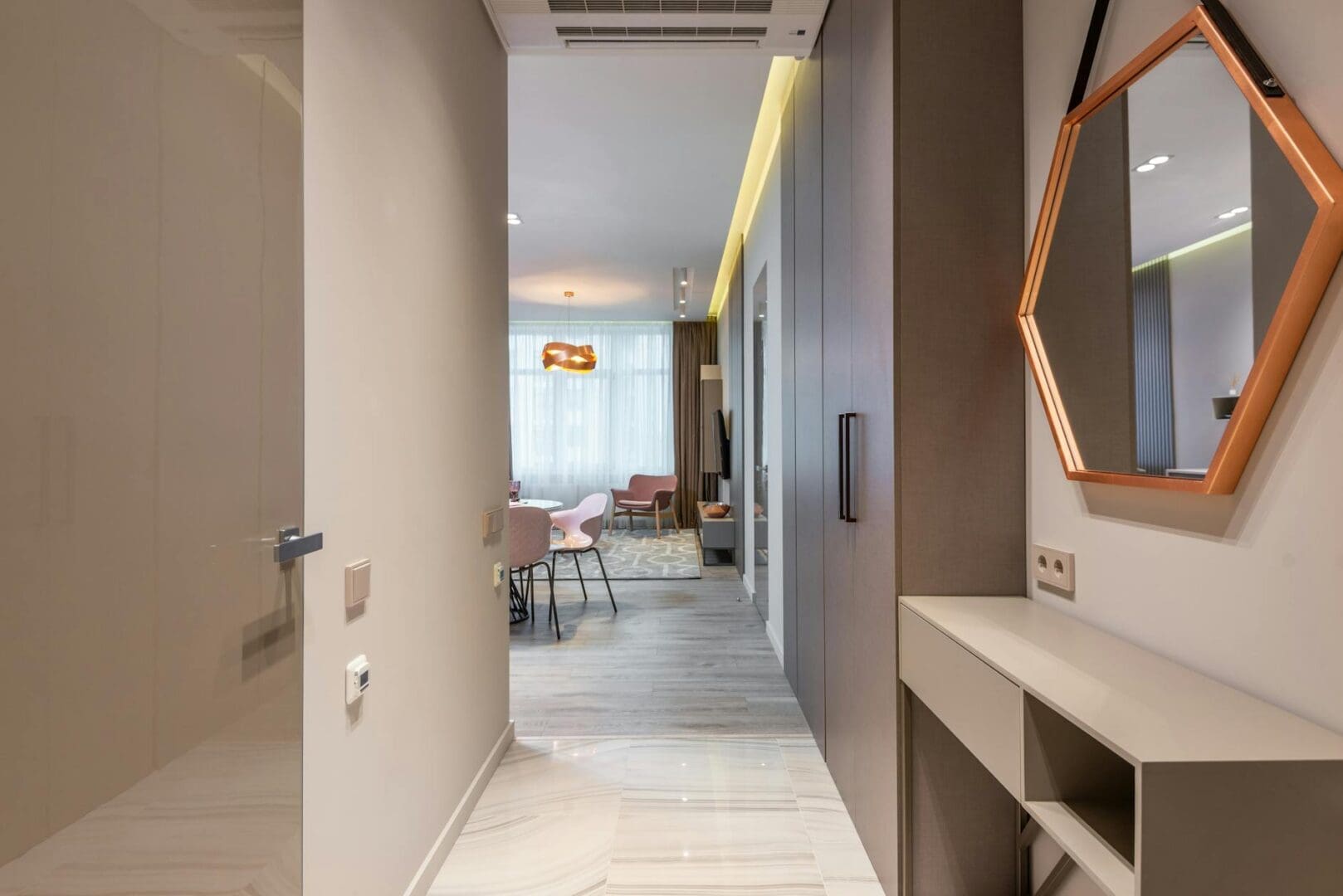
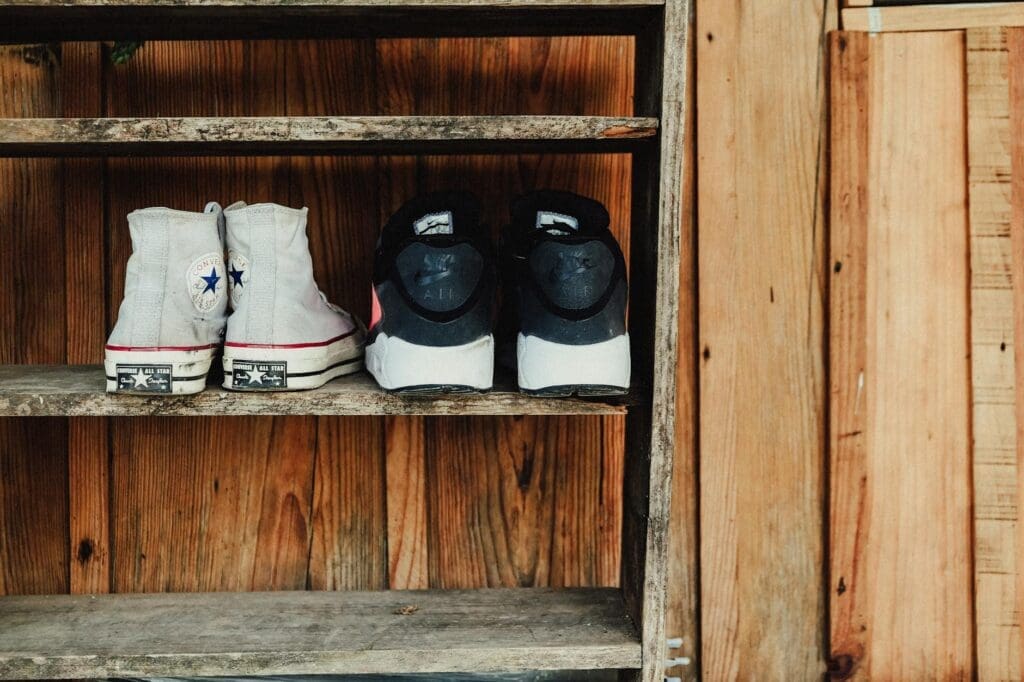
Your entryway is the first thing you see when you walk in the door, and right now it’s probably a dumping ground for shoes, mail, bags, and coats. The good news? You can turn this chaos into calm in less than an hour with the right approach and a few strategic furniture pieces.
Start With a Quick Sort
Before you buy anything or rearrange furniture, spend 15 minutes doing a quick declutter. Grab three bags or boxes and label them: Keep Here, Relocate, and Donate/Trash. Be ruthless about shoes that haven’t been worn in months, expired coupons, and mystery keys. The items that truly belong in your entryway are things you use when leaving or entering the house—everyday shoes, current-season coats, keys, and outgoing mail.
Once you’ve sorted, take everything that doesn’t belong in the entryway to its proper home. You’ll be surprised how much clearer your space feels when you’re only working with items that actually need to be there. Most entryways only need storage for 2-3 pairs of shoes per person, one coat per family member, and a small spot for daily essentials like sunglasses and dog leashes.
Add Smart Storage Where It Counts
Now that you know what you’re actually storing, choose furniture that works hard for your space. A storage bench is the MVP of entryway furniture—it gives you seating to put on shoes plus hidden storage underneath. Look for benches with lift-top seats or cubbies that can handle 4-6 pairs of shoes. Budget options start around $80-120, while solid wood benches with cushioned seats run $200-400.
If your entryway is narrow, a wall-mounted coat rack with hooks and a small shelf can work wonders. The key is having dedicated spots for everything. Consider these essentials:
A small console table (6-12 inches deep) for keys and mail—even tiny entryways can usually fit one
Wall hooks mounted at different heights for adults and kids
A slim shoe cabinet that holds 12-16 pairs while taking up less than a square foot of floor space
A tray or small bowl to corral pocket items and prevent counter clutter
Create Zones for Different Items
The secret to keeping your entryway decluttered long-term is giving every category its own home. Designate specific hooks for specific people, one basket for outgoing items, another for dog walking supplies. When everything has a spot, it’s easy to do a 60-second tidy-up each evening.
Use the vertical space you have. A tall narrow cabinet (around 15 inches wide) can store seasonal items, cleaning supplies for quick touch-ups, or extra bags. Over-the-door organizers work great for scarves, hats, and gloves without taking up any floor space. Floating shelves above coat hooks can hold decorative baskets that hide smaller items while keeping them accessible.
If you have kids, lower hooks and bins they can actually reach make a huge difference. A cubby organizer with bins lets each family member have their own designated space. These run anywhere from $60 for basic laminate versions to $300+ for solid wood units, but the investment pays off when everyone knows exactly where their stuff goes.
Maintain the System With Daily Habits
The fastest way to declutter your entryway is to prevent clutter from accumulating in the first place. Set up a simple rule: nothing gets set down “just for now.” Coats go on hooks immediately, shoes go in the cabinet or on the mat, and mail gets sorted over a recycling bin within 24 hours.
Keep a small basket or bin near the door for items that need to go upstairs or to other rooms. Once a day, grab the basket and redistribute everything to its proper home. This takes about two minutes but prevents the creep of random items migrating to your entryway.
Your entryway sets the tone for your entire home. With the right storage furniture and a quick daily reset, you can keep it looking pulled-together without spending hours organizing. Start with that 15-minute sort, add one or two key furniture pieces that fit your space, and you’ll have an entryway that actually works for your household instead of against it.
A cramped entryway with shoes scattered everywhere isn’t just frustrating—it’s usually the first thing you and your guests see when walking through the door. The good news? Even the smallest entryway can stay organized with the right shoe rack. The challenge is finding one that actually fits your space without making it feel even more […]
That pile of shoes by the door isn’t going to organize itself, and your coats deserve better than being draped over the nearest chair. A coat rack with built-in shoe storage solves both problems in one piece of furniture, making it perfect for entryways, mudrooms, or even bedroom corners where clutter tends to accumulate. The […]
A cramped entryway doesn’t mean you’re doomed to trip over piles of coats or hunt for misplaced keys every morning. The right coat rack can transform even the tiniest entry into an organized, welcoming space. The challenge is finding one that holds what you need without making your small entryway feel even smaller. Consider Your […]