Your entryway takes a beating. It’s where shoes pile up, coats get tossed, and mail mysteriously accumulates into towering stacks. If you’re tired of tripping over boots or frantically searching for your keys every morning, you’re not alone. The good news? Getting your entryway under control doesn’t require a massive overhaul—just the right furniture pieces and a bit of intentional planning.
Start With a Storage Bench or Console
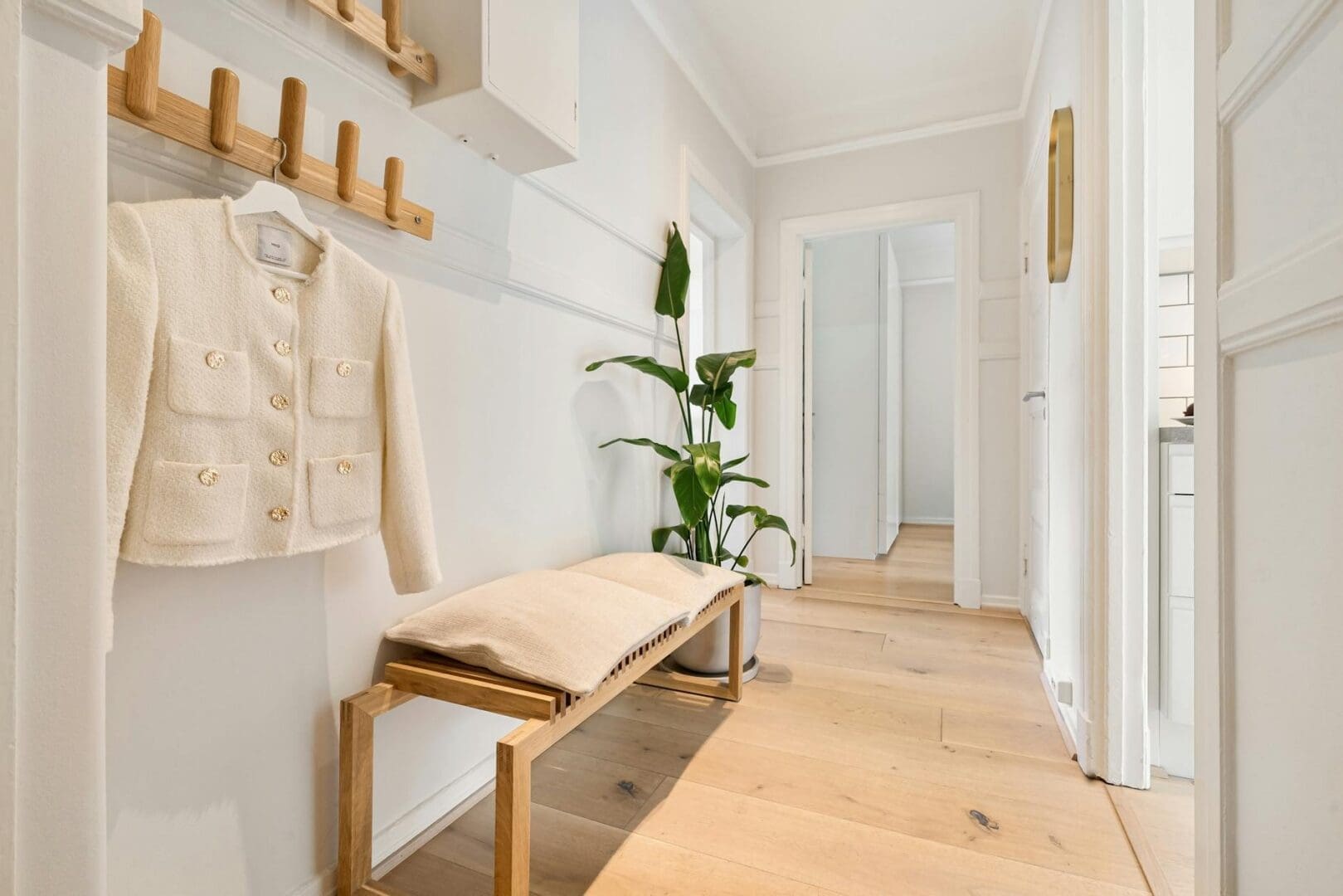
The foundation of an organized entryway is a piece that anchors the space and provides functional storage. A storage bench serves double duty: it gives you a place to sit while putting on shoes and hides away seasonal items, pet supplies, or rarely-used accessories. Look for benches with lift-top seats or cubbies underneath—they typically range from $150 for basic models to $600+ for solid wood pieces with cushioned tops.
If your entryway is narrow, a slim console table might work better. Choose one with drawers for corralling small items like sunglasses, dog leashes, and charging cables. Console tables with lower shelves add bonus storage for baskets or decorative bins. Budget options start around $100, while mid-range pieces with quality construction and attractive finishes land between $250-$500.
Add Vertical Storage That Works
When floor space is limited, go vertical. A wall-mounted coat rack or a standing hall tree keeps jackets, bags, and umbrellas off the floor and within easy reach. Hall trees with built-in benches and shoe storage are particularly clever for compact spaces—everything you need in one footprint.
For families, consider these practical additions:
Wall hooks at different heights so kids can hang their own backpacks and coats
A pegboard system that lets you customize hook placement as needs change
Floating shelves above your console for keys, wallets, and a catchall tray
A wall-mounted mail organizer with slots for incoming and outgoing items
Don’t overlook the backs of doors. Over-the-door organizers with pockets or hooks can hold scarves, hats, reusable shopping bags, and other frequently grabbed items. They’re inexpensive (usually under $30) and maximize dead space.
Tackle Shoe Storage Head-On
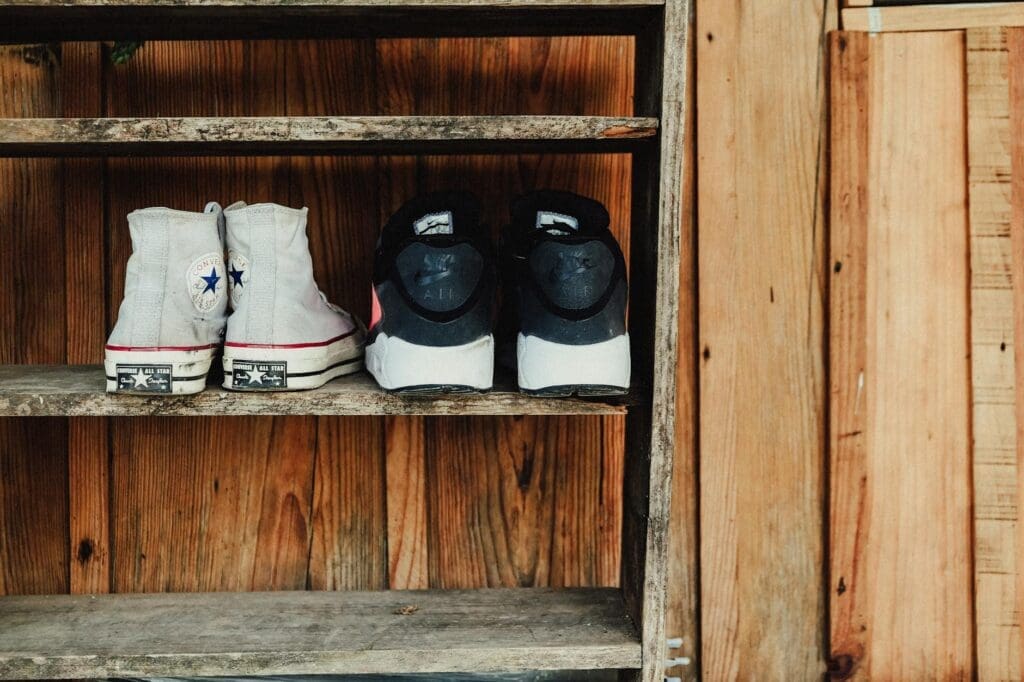
Shoes are the biggest entryway offender. A dedicated shoe storage solution makes all the difference. Shoe cabinets with tilt-out drawers keep footwear hidden and take up minimal space—they’re ideal if you prefer a cleaner look. Expect to spend $80-$300 depending on capacity and materials.
Open shoe racks work well if you want to grab shoes quickly, and they encourage family members to actually use them (what you see, you remember). Tiered racks can hold 9-15 pairs and cost between $25-$100. For larger households, a shoe bench with multiple cubbies combines seating with organization—you’ll find options ranging from $120 for laminate versions to $400+ for wooden designs.
Whatever you choose, make sure it fits your household’s actual shoe volume. A rack that holds 12 pairs won’t help a family of five.
Create Zones for Different Items
The most organized entryways have designated spots for everything. Use baskets or bins on your console or bench shelves to create zones: one for winter accessories, another for pet walking supplies, one for outgoing library books or packages. Label them if it helps your household stay consistent.
A small tray on your console becomes the landing spot for keys, sunglasses, and pocket items. A wall-mounted magnetic board can hold important papers or permission slips that need signatures. The goal is making it easier to put things away than to leave them scattered.
Consider adding a small mirror above your console—it serves a practical purpose while making tight spaces feel larger. Many come with small shelves or hooks integrated into the frame, adding even more organizational opportunities.
Getting your entryway organized really comes down to matching furniture to your space and habits. Measure your area carefully, think honestly about what accumulates there, and choose pieces that make putting things away the easy choice. When everything has a home and that home is convenient, your entryway stops being a dumping ground and starts being a space that actually welcomes you home. You’ll find mornings less chaotic and your stress level noticeably lower—all because you gave your entryway the functional furniture it needed.
A cramped entryway with shoes scattered everywhere isn’t just frustrating—it’s usually the first thing you and your guests see when walking through the door. The good news? Even the smallest entryway can stay organized with the right shoe rack. The challenge is finding one that actually fits your space without making it feel even more […]
That pile of shoes by the door isn’t going to organize itself, and your coats deserve better than being draped over the nearest chair. A coat rack with built-in shoe storage solves both problems in one piece of furniture, making it perfect for entryways, mudrooms, or even bedroom corners where clutter tends to accumulate. The […]
A cramped entryway doesn’t mean you’re doomed to trip over piles of coats or hunt for misplaced keys every morning. The right coat rack can transform even the tiniest entry into an organized, welcoming space. The challenge is finding one that holds what you need without making your small entryway feel even smaller. Consider Your […]