The fainting couch—that elegant, one-armed lounger you’ve seen in period dramas—wasn’t just a piece of Victorian vanity. It was actually a practical solution for women who wore corsets laced so tightly they regularly struggled to breathe. When you’re shopping for a modern version (usually called a chaise lounge or recamier), you’re bringing home a piece with genuine historical purpose, even if your reasons for wanting one are purely about comfort and style.
These days, fainting couches make surprisingly versatile additions to bedrooms, living rooms, and reading nooks. But finding the right one means understanding what separates a beautiful conversation piece from something you’ll actually use.
Size and Placement: Where Will It Actually Fit?
Before you fall in love with a particular style, measure your space carefully. Most fainting couches run between 60-75 inches long and 25-30 inches wide—about the footprint of a loveseat, but with a completely different shape. The raised back or scrolled arm typically sits on one end, which means you need to think about left-arm versus right-arm configurations based on your room layout.
In bedrooms, they’re perfect at the foot of a bed or tucked into a corner near a window. For living rooms, they work well perpendicular to a sofa or positioned to create a separate seating zone. Just make sure you leave at least 30 inches of clearance around it so you can actually get on and off comfortably. Unlike a regular sofa where you sit upright, you’ll be lounging lengthwise, so access from the front matters more than you’d think.
Style: From Victorian Drama to Modern Minimalism
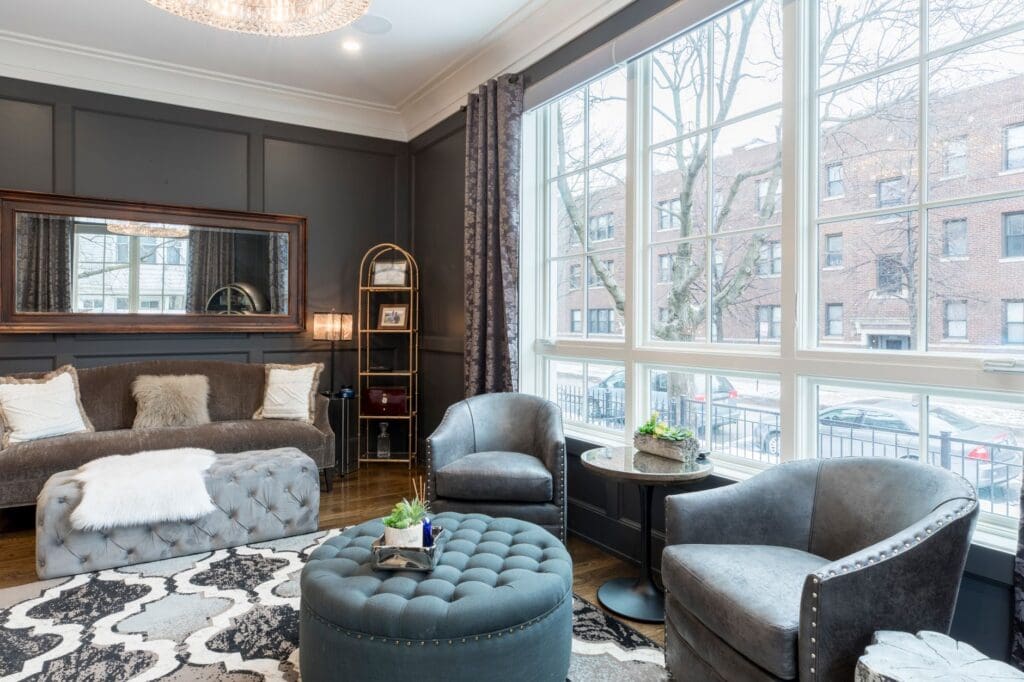
Traditional fainting couches lean heavily into Victorian or French aesthetics—think tufted velvet, carved wooden frames, and ornate scrollwork. These dramatic pieces make bold statements and work beautifully in homes with traditional, eclectic, or maximalist decor. You’ll find them upholstered in rich jewel tones, classic neutrals, or statement patterns.
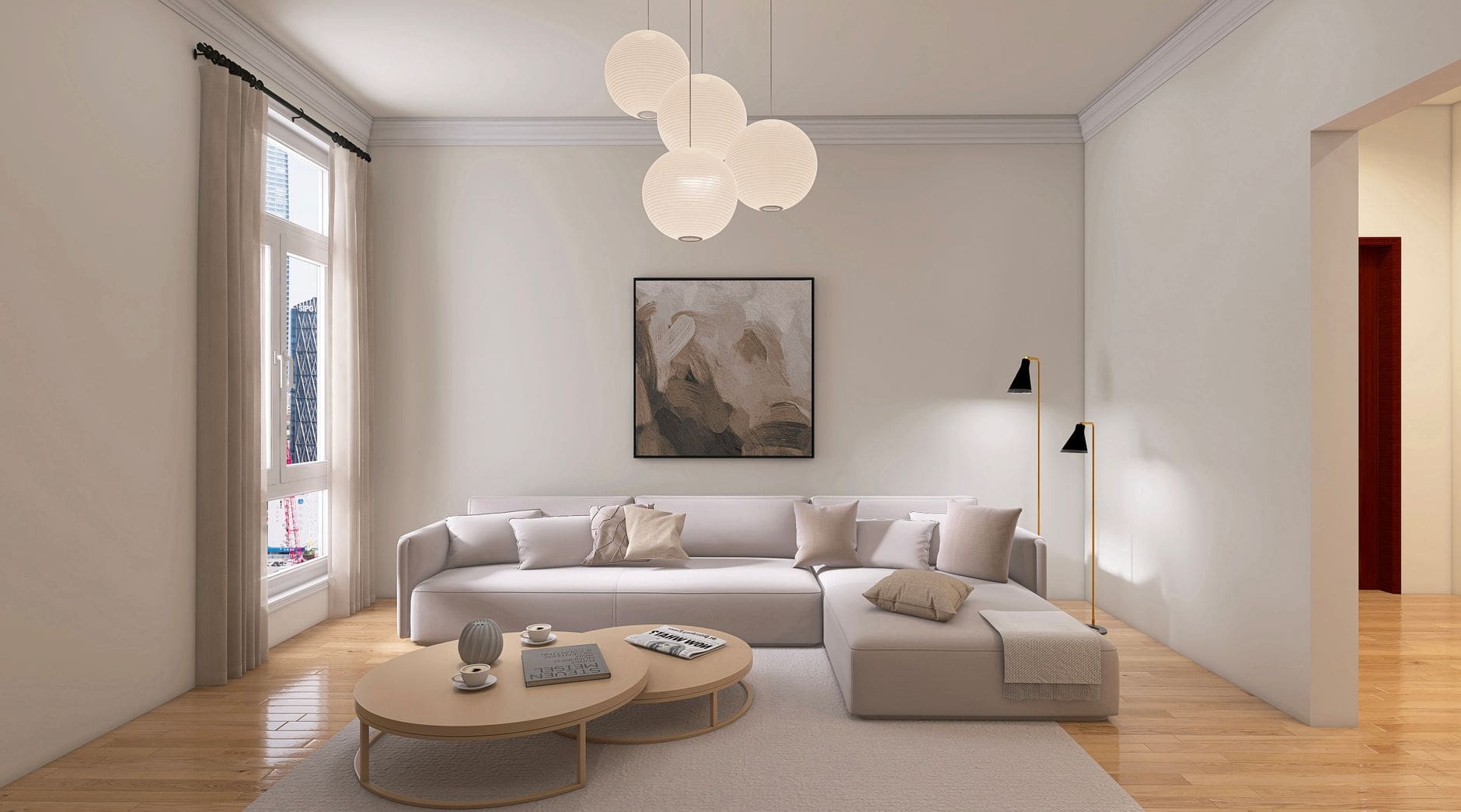
But plenty of modern interpretations exist too. Contemporary chaise lounges feature clean lines, low profiles, and sleek upholstery in leather or linen. Mid-century modern versions often include tapered wooden legs and simple button tufting. The key is matching the style to your existing furniture—a carved walnut Victorian piece will look out of place in a minimalist Scandinavian room, just as a streamlined modern chaise might feel too stark in a traditional space.
Materials and Construction: What You’re Actually Paying For
Frame construction separates budget pieces from investment furniture. Look for hardwood frames (oak, maple, or birch) with corner blocks and reinforced joints. Cheaper options use particle board or softwoods that won’t hold up if you’re actually using this piece daily. Since you’ll likely be lounging on this piece regularly, check out our guide to accent chair fabrics to understand which materials hold up best over time.
For upholstery, consider your lifestyle:
Velvet looks stunning and feels luxurious, but shows wear patterns and can be tricky to clean
Linen offers a more relaxed, textural look and breathes well, though it wrinkles and stains easily
Leather ages beautifully and wipes clean, but comes with a higher price tag
Performance fabrics resist stains and wear while still looking upscale—the smart choice for busy households
Cushion fill matters too. High-density foam holds its shape better than cheaper polyester fill, while down-wrapped foam cores offer the best of both worlds—firm support with a soft surface.
Budget Considerations: What to Expect at Different Price Points
Budget fainting couches ($300-600) typically feature particle board frames, basic foam cushions, and thinner upholstery fabrics. They’re fine for occasional use in guest rooms or as purely decorative pieces, but don’t expect them to become your daily reading spot.
Mid-range options ($800-1,500) step up to hardwood frames, better cushioning, and more durable fabrics. This is the sweet spot for most shoppers who want something that looks good and functions well for regular use.
High-end pieces ($2,000-4,000+) offer premium hardwood construction, hand-tied springs, top-grain leather or designer fabrics, and often some level of customization. You’re paying for furniture that should last decades, not just years.
The fainting couch has come a long way from its corset-era origins, but it remains one of the most elegant and functional ways to add lounging space to a room. Whether you choose a dramatic Victorian revival piece or a sleek modern chaise, you’re investing in furniture that invites you to actually slow down and relax—no restrictive undergarments required. Focus on solid construction and fabric that suits your lifestyle, and you’ll have a piece that works as hard as it looks good.
Since you’ll likely be lounging on this piece regularly, check out our guide to accent chair fabrics to understand which materials hold up best over time.
Frequently Asked Questions
What is a fainting couch called today?
Today, fainting couches are typically called chaise lounges or recamiers. The term ‘fainting couch’ specifically refers to the Victorian-era design, while modern versions go by their French names or simply ‘chaise.’
Why did Victorian women need fainting couches?
Victorian women wore tightly-laced corsets that restricted breathing and blood flow, sometimes causing dizziness or fainting spells. The fainting couch provided a dignified place to recline without fully lying down, which helped them recover while maintaining modesty.
What’s the difference between a fainting couch and a chaise lounge?
A traditional fainting couch has a raised back or headrest on one end and sits lower to the ground, while a chaise lounge is typically longer and designed for full reclining. However, the terms are often used interchangeably today.
How much does a fainting couch cost?
Modern fainting couches and chaise lounges range from $300 for budget options to $3,000+ for high-end designer pieces. Mid-range options with solid construction and quality upholstery typically fall between $800-1,500.
Where should I put a fainting couch in my home?
Fainting couches work beautifully in bedrooms as a sitting area, at the foot of a bed, in living rooms as accent seating, or in reading nooks near windows. They need about 6-7 feet of wall space and look best positioned at an angle or perpendicular to other seating.
You’ve found the perfect accent chair—the lines are beautiful, the color is spot-on, and it fits your budget. But here’s the thing that’ll matter most six months from now: what’s it covered in? The fabric you choose determines whether your chair becomes a beloved, well-worn favorite or a source of constant stress every time someone […]
There’s something deeply satisfying about a chair and ottoman combo—it’s the furniture equivalent of finding the perfect pair of shoes. When done right, you get a reading nook that actually invites you to sit down, a corner that feels intentionally designed, and a spot where you can finally prop up your feet after a long […]
You’ve seen them on Instagram, in design magazines, and probably in at least one friend’s living room. Egg chairs—those sculptural, cocoon-like seats that look like they belong in a retro-futuristic movie—have become a serious design moment. But with price tags ranging from a few hundred to several thousand dollars, you’re probably wondering if this trendy […]