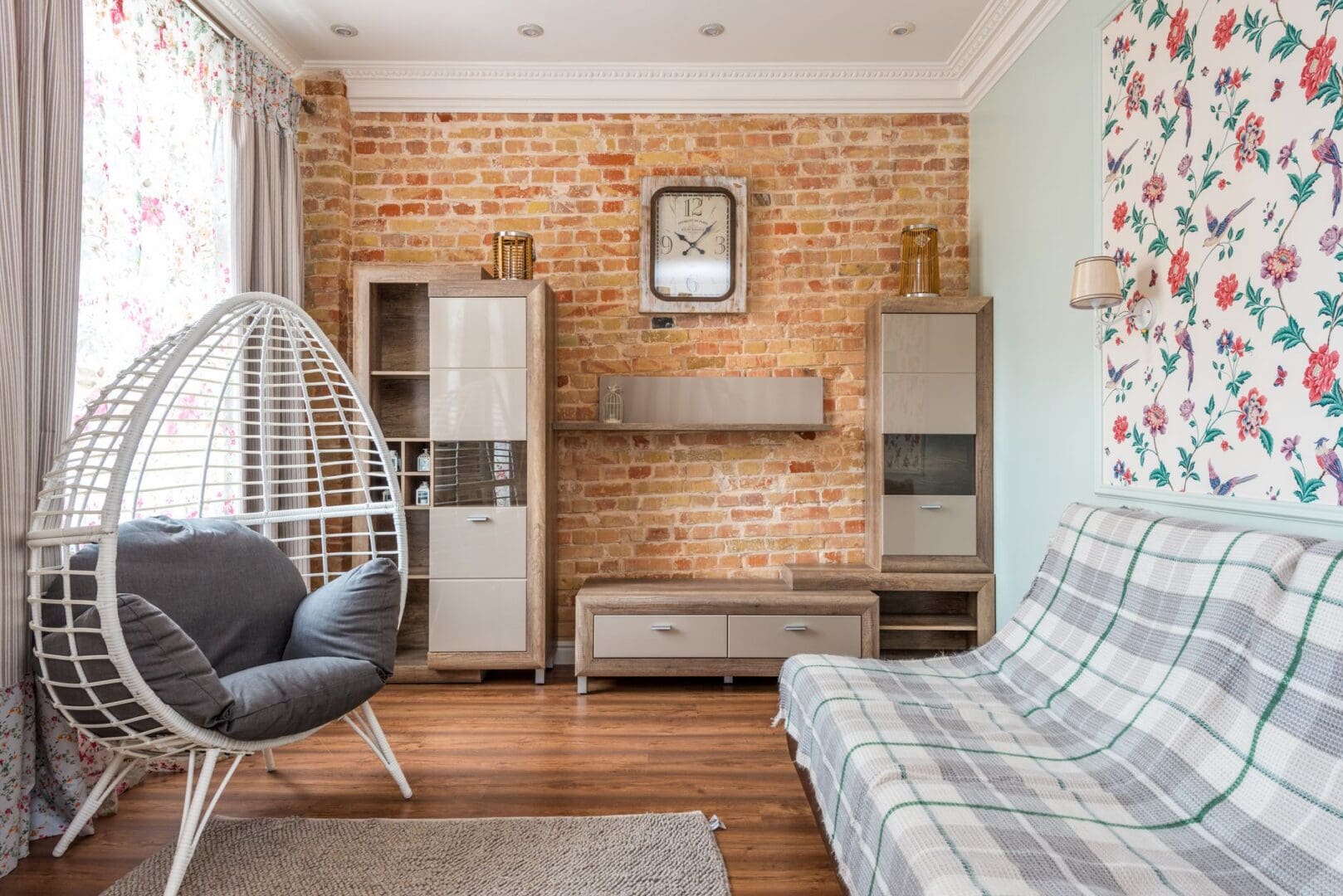
You’ve seen them on Instagram, in design magazines, and probably in at least one friend’s living room. Egg chairs—those sculptural, cocoon-like seats that look like they belong in a retro-futuristic movie—have become a serious design moment. But with price tags ranging from a few hundred to several thousand dollars, you’re probably wondering if this trendy statement piece is actually worth the investment, or if it’ll just become an expensive clothes hanger.
Let’s walk through what really matters when you’re shopping for an egg chair, so you can figure out if this is the right splurge for your space.
Understanding What You’re Actually Buying
First things first: there’s the original Egg Chair (capital E, capital C) designed by Arne Jacobsen in 1958, and then there are the thousands of interpretations that followed. The authentic Fritz Hansen version will set you back $8,000 to $12,000 or more, and it’s a legitimate piece of furniture history with museum-quality construction.
Most of us are looking at modern interpretations, which fall into three broad categories. Budget options ($300-$600) typically feature basic cushioning, simpler frames, and materials that won’t last decades. Mid-range chairs ($600-$1,500) offer better construction, more durable fabrics or leather, and improved cushioning that actually supports your body. Premium replicas and designer versions ($1,500-$4,000) come close to the original in terms of materials and craftsmanship, though they still won’t carry the Fritz Hansen pedigree.
You’ll also need to decide between hanging egg chairs (suspended from the ceiling or a stand) and stationary versions with a base. Hanging versions create more visual drama and offer a gentle swaying motion, but they require solid ceiling joists or a freestanding frame. Stationary egg chairs are more stable and easier to move, though they take up more floor space with their pedestal base.
Size and Space Considerations
Here’s where people often misjudge: egg chairs are bigger than they look in photos. A typical egg chair measures 35-45 inches tall and 30-35 inches wide, but you need to think about the full footprint. Hanging versions need 4-5 feet of clearance in all directions for safe swinging, plus 7-8 feet of ceiling height. Stationary versions need about 3-4 feet of space around them to avoid feeling cramped.
These chairs work best as focal points in larger living rooms, bedrooms, or covered patios—not tucked into corners or small apartments where they’ll overwhelm the space. Before you buy, tape out the dimensions on your floor and make sure you can comfortably walk around it. An egg chair that forces people to squeeze past it will quickly become a frustration rather than a favorite spot.
Materials and Durability
The frame material matters more than you might think. Steel or aluminum frames offer the best longevity and weight capacity (usually 250-300 pounds), while cheaper resin wicker frames can crack or fade within a year or two, especially if exposed to sunlight. If you’re going the wicker route, look for synthetic PE rattan rather than natural materials, which deteriorate quickly.
For cushions, you want thick, high-density foam that won’t flatten after a few months of use. Cheap egg chairs often skimp here, leaving you with a beautiful shell and an uncomfortable seat. Fabric choices range from basic polyester blends (budget-friendly but less breathable) to genuine leather or performance fabrics (pricier but more durable and easier to clean). If you have kids or pets, skip anything labeled “dry clean only” unless you enjoy stress.
Check the weight capacity clearly—it should be prominently listed. Anything under 200 pounds is questionable for regular adult use, and if the manufacturer won’t specify capacity at all, that’s a red flag.
The Real-World Verdict
So is an egg chair worth it? If you have the space for it, genuinely love the look, and plan to use it regularly as a reading nook or relaxation spot, a quality mid-range option ($800-$1,500) can be a worthwhile investment. It becomes both functional seating and a sculptural element that elevates your whole room.
Skip it if you’re buying purely for the Instagram potential, working with a tight furniture budget, or don’t have adequate space to let it breathe. An egg chair that doesn’t fit properly or isn’t comfortable enough to actually use becomes very expensive decor. Also reconsider if you move frequently—these aren’t easy to transport, and hanging versions require new ceiling installations each time.
The sweet spot is finding a chair that balances quality construction with a price point that won’t make you wince. You don’t need the $10,000 original to get a comfortable, durable egg chair, but the $250 version probably won’t make it through more than a year or two of regular use. Aim for that middle ground, test it if at all possible, and make sure it truly fits your space before committing.
Egg chairs can be very comfortable due to their enveloping shape and cushioned interior, though comfort depends heavily on the quality of cushioning and materials. The cocoon design provides excellent back and side support, but you’ll want to test one if possible since the curved shape doesn’t work for everyone’s body type.
How much space does an egg chair need?
A standard egg chair requires about 4-5 feet of floor space when accounting for its swing radius if it’s a hanging version, or its base footprint if it’s a stand-alone model. You’ll also want at least 7-8 feet of ceiling height for hanging versions to ensure proper clearance and comfortable seating position.
What’s the difference between a real Egg Chair and a replica?
Authentic Arne Jacobsen Egg Chairs are made by Fritz Hansen with premium materials, expert craftsmanship, and can cost $8,000-$12,000 or more. Replicas vary widely in quality but use less expensive materials and simpler construction, ranging from $300 to $2,000, though they won’t have the same longevity or resale value.
Can egg chairs be used outdoors?
Some egg chairs are specifically designed for outdoor use with weather-resistant materials like synthetic wicker, powder-coated steel, and outdoor-grade cushions. Indoor egg chairs should not be used outside as moisture and UV exposure will damage upholstery and potentially compromise structural integrity.
Do hanging egg chairs damage ceilings?
Hanging egg chairs require secure installation into ceiling joists or beams that can support 300-500 pounds to be safe. If installed incorrectly into drywall alone, they can absolutely cause damage, so professional installation or a freestanding base version is recommended if you’re uncertain about your ceiling structure.
You need more storage in your living room, but a bulky bookcase feels too heavy and floating shelves aren’t cutting it. A credenza might be exactly what you’re looking for—it’s that low-profile cabinet that gives you tons of hidden storage while creating a beautiful surface for lamps, plants, and the things you actually want to […]
If you’ve been hitting snooze repeatedly or dragging yourself out of bed feeling groggy, you’re not alone. Waking up to a jarring alarm in a dark room works against your body’s natural rhythms, especially during winter months. A sunrise alarm clock mimics natural dawn, gradually filling your room with light to ease you awake. But […]
Waking up at 3 a.m. with a sweaty neck and flipping your pillow to the cool side for the fourth time isn’t just annoying—it’s robbing you of quality sleep. If you’re a hot sleeper, your pillow might be trapping heat against your head and neck all night long. The good news? The right cooling pillow […]