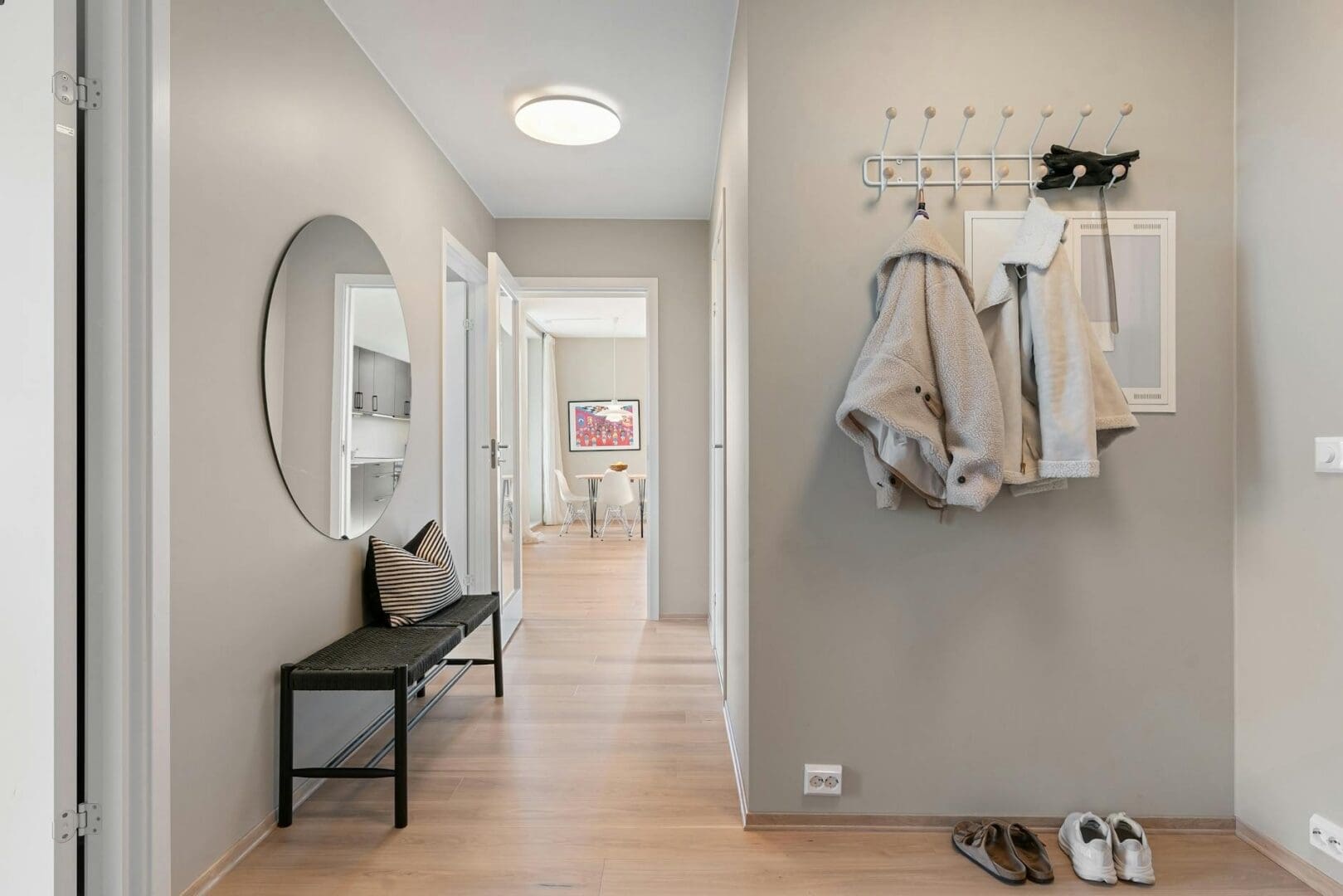
We’ve all been there—you want to hang a coat rack, add some decorative hooks in the entryway, or create a gallery wall, but you’re terrified of what’ll happen when you eventually take them down. Whether you’re renting or just don’t want to deal with patching and repainting, there are actually plenty of ways to get those hooks up securely without sacrificing your walls.
Understanding Your Wall Type and Weight Requirements
Before you choose any installation method, you need to know two things: what your walls are made of and how much weight you’re planning to hang. Drywall is the most common and, frankly, the trickiest for damage-free hanging. Plaster walls are sturdier but older, while tile or brick gives you different options entirely.
For lightweight items like keys, small purses, or lightweight towels, you’re looking at hooks that need to support under 5 pounds. Medium-duty applications—think coats, robes, or small bags—require 5-15 pound capacity. Anything heavier, like backpacks full of gear or multiple winter coats, needs serious holding power and might require a different approach than purely damage-free methods.
Adhesive Hooks: Your First Line of Defense
Modern adhesive hooks have come a long way from the flimsy suction cups of yesteryear. Command hooks are the gold standard here, using removable adhesive strips that you stretch off the wall rather than peeling (which is the key to protecting your paint). They come in weight capacities from 1 pound up to 7-8 pounds per hook, and they actually work when installed correctly.
The trick is proper installation. Clean your wall with rubbing alcohol first—any dust or grease will compromise the bond. Press firmly for 30 seconds, then wait the full hour before hanging anything. In my experience, these work beautifully on smooth, painted drywall but struggle on textured walls or in high-humidity areas like bathrooms.
For heavier-duty needs, look for adhesive-mounted track systems or multi-strip hooks rated for 10-15 pounds. Budget around $5-10 for a pack of standard adhesive hooks, or $15-30 for premium heavy-duty systems.
Tension Rods and Over-Door Solutions
Sometimes the best way to avoid wall damage is to skip the wall entirely. Tension-mounted hooks and rods work wonderfully in closets, between doorframes, or in hallways. They use spring tension to stay in place—no adhesive, no holes, just pressure against two opposing surfaces.
Over-door hooks are another underrated option. Modern versions include padded backs that won’t scratch your door or frame, and they can typically hold 10-20 pounds. They’re perfect for bathrooms, bedroom doors, or closets where you need robust hanging capacity without any installation.
These solutions run $10-25 for quality options and give you flexibility to rearrange without consequence.
Picture Hanging Strips and Hook-and-Loop Systems
For hooks that are part of decorative elements—like a wooden peg rail or mounted coat rack—consider heavy-duty picture hanging strips. These interlocking adhesive strips can hold 16 pounds or more when you use multiple sets, making them viable for lightweight shelving units with integrated hooks or decorative wall-mounted organizers.
The key advantage here is distribution of weight. Instead of one point of failure, you’re spreading the load across multiple attachment points. Just make sure whatever you’re mounting is relatively lightweight itself—a chunky wooden coat rack might exceed the capacity even before you add coats.
Another clever option: adhesive-backed hook-and-loop strips (industrial-strength Velcro). They work well for lightweight decorative hooks or small organizational systems, and they’re completely removable. Expect to spend $8-20 depending on the weight capacity you need.
Making Your Decision
The right installation method depends on your specific situation. Renters and commitment-phobes should start with adhesive hooks—they’re removable, affordable, and work for most everyday needs. If you’re hanging heavier items or need a more permanent-feeling solution, consider over-door hardware or tension systems that still avoid wall penetration.
Whatever you choose, always test in an inconspicuous spot first, follow weight limits religiously, and give adhesives their full curing time. Your walls—and your security deposit—will thank you. The best part? When you’re ready to redecorate or move, these solutions come down as easily as they went up, leaving your paint exactly as you found it.
There’s that sinking feeling when you see red wine spreading across your beautiful area rug, or when your pet has an accident right in the middle of your living room. Before you panic or start searching for new rugs, know that most stains are manageable if you act quickly and use the right approach for […]
If you’ve ever stared at a wine stain on your living room rug or watched your dog track mud across your entryway, you know the stress that comes with traditional area rugs. Washable rugs solve that problem completely—they bring style to your space without the anxiety of permanent messes or expensive professional cleaning bills. But […]
You love the idea of a Persian rug—the craftsmanship, the history, the way it instantly elevates a room. But you’re worried it might look too traditional or clash with your clean-lined sofa and minimalist aesthetic. Here’s the thing: Persian rugs aren’t just for ornate, old-world interiors. When chosen thoughtfully, they bring exactly the kind of […]